


Table Of Contents
Salmon oil has gained attention as a simple way to support feline health, but many cat owners still have questions about how it works, how much to use, and what to watch for. Rich in omega-3 fatty acids like EPA and DHA, salmon oil can play a meaningful role in supporting skin, coat quality, joint mobility, and overall wellness. At the same time, proper dosing and awareness of potential side effects are essential to ensure it benefits your cat without creating new issues.
This guide breaks down the benefits you can expect from salmon oil for cats, how to introduce it safely into your feline’s routine, and the signs that indicate it may not be the right fit.
Key Takeaways
-
Salmon oil provides omega-3 fatty acids that support skin health, coat quality, joints, and overall wellness.
-
Proper dosing depends on your cat’s weight, diet, and health needs and should be introduced gradually.
-
High-quality, purified salmon oil products reduce the risk of contaminants and improve safety.
-
Possible side effects include digestive upset, weight gain, or nutrient imbalance if overused.
-
Consultation with a veterinarian helps ensure safe use, especially for cats with existing health conditions.
What is Salmon Oil for Cats?
Salmon oil for cats is a nutritional supplement derived from the fatty tissues of salmon. It is typically produced using salmon byproducts such as the skin, body, and head, which are naturally rich in beneficial oils. These parts of the fish contain high concentrations of long-chain omega-3 polyunsaturated fatty acids, making them valuable for supporting feline health.
Cats Must Get EPA and DHA in Their Diet
The primary components that make salmon oil effective are EPA (eicosapentaenoic acid) and DHA (docosahexaenoic acid). These omega-3 fatty acids are considered essential because a cat’s body cannot produce them in sufficient amounts on its own. Cats are obligate carnivores, meaning their bodies are designed to rely on nutrients found in animal-based sources. Unlike some other animals, they cannot efficiently synthesize key omega-3 fatty acids on their own. This makes dietary sources of these nutrients essential for maintaining normal physiological function and long-term health.
What Does Salmon Oil Do for Cats?
Salmon oil supports multiple systems in a cat’s body through its high concentration of omega-3 fatty acids. Its value comes down to how EPA and DHA influence inflammation, circulation, and cellular function. These effects can support both daily wellness and more targeted health needs, especially in aging cats or those with underlying conditions.
Heart Health
Salmon oil’s EPA and DHA contribute to cardiovascular support in several ways. They help reduce triglyceride levels in the blood, support a stable heart rhythm, and promote healthy circulation. These fatty acids also play a role in reducing vascular inflammation, which can place added strain on the heart over time.
Cats with existing cardiac concerns may see added support from omega-3 supplementation, but this should always be guided by a veterinarian to ensure it aligns with their overall care plan.
Joint Health and Inflammation
EPA is widely recognized for its role in managing inflammation. It works by blocking prostaglandins and other inflammatory mediators that contribute to joint discomfort. For cats showing early signs of stiffness or reduced mobility, salmon oil can help ease inflammation and improve day-to-day comfort.
At the same time, it is important to understand the limits of what salmon oil can do. While it addresses inflammation, it does not repair cartilage or slow the structural breakdown that drives joint disease.
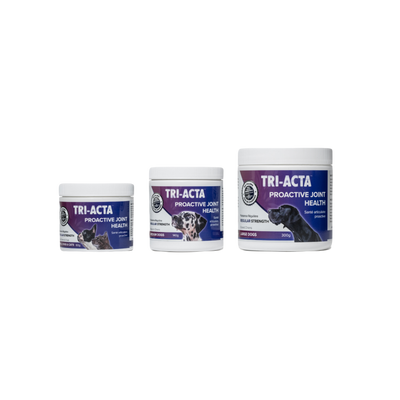
This is where a more comprehensive approach becomes important. A supplement like TRI-ACTA works alongside salmon oil to support joint structure. Its glucosamine and chondroitin help rebuild cartilage and inhibit the enzymes responsible for its breakdown. MSM contributes to pain relief and inflammation support, while hyaluronic acid helps lubricate the joint for smoother movement.

Used together, salmon oil and TRI-ACTA create a more complete strategy. Salmon oil helps manage inflammation, while TRI-ACTA supports the underlying joint structure, giving cats both immediate comfort and long-term support.
A proactive approach for developing and younger adult pets to maintain optimal joint health mobility, minimize inflammation and fend off age-related ailments.
TRI-ACTA for Pets
Kidney Health
Many pet owners ask, "Is salmon oil good for cats with kidney disease?”
It’s highly possible. Omega-3 fatty acids in salmon oil support kidney function through their effects on inflammation and circulation. EPA and DHA help reduce inflammation in kidney tissue and improve blood flow, which supports more efficient filtration.
In cats with chronic kidney disease (CKD), a condition that affects up to 40% of cats over the age of 10 and 80% of cats over the age of 15, fish oil supplementation has been associated with reduced proteinuria, a key marker of kidney stress. Lower protein loss in the urine can indicate less strain on the kidneys over time. While this does not reverse kidney disease, it can play a supportive role in managing progression as part of a broader veterinary care plan.
Brain and Eye Development
DHA is a structural component of both neural and retinal tissue, making it essential for proper brain and eye development. During kittenhood, adequate DHA supports learning, coordination, and visual development.
Most complete and balanced kitten foods already include DHA, so additional supplementation should be discussed with a veterinarian to avoid excess intake.
In senior cats, DHA continues to play a role in cognitive health. It may help slow age-related decline by supporting neuronal integrity and protecting against the buildup of neurotoxic proteins, helping maintain alertness and normal behavior over time.
Fish Oil vs. Salmon Oil for Cats: Is There a Difference?

Many cat owners comparing fish oil vs. salmon oil for cats come across both and assume they are interchangeable. While they share similarities, there are a few important distinctions that can influence which option makes the most sense.
Fish oil is a broad category. It can be derived from a range of species, including sardines, anchovies, mackerel, cod, and salmon. All of these sources provide EPA and DHA, the omega-3 fatty acids responsible for most of the health benefits. The differences come down to concentration, additional nutrients, sourcing, and how well cats accept the taste.
-
EPA/DHA concentration: Salmon oil is a reliable, potent source of both, with a well-balanced ratio. Cod liver oil, by contrast, also provides vitamins A and D, which can become toxic at high doses in cats.
-
Flavour palatability: Salmon oil tends to be well-accepted by cats due to its mild flavor profile.
-
Sustainability and sourcing: Salmon oil sourced from sustainable fisheries or responsibly farmed salmon is preferable. Krill oil is another alternative, though it tends to be more expensive.
-
Contaminants: Any fish oil product for cats should be tested for heavy metals, PCBs, and oxidative rancidity.
While several fish oils are valid options, salmon oil is often the recommended starting point because of its balanced EPA/DHA ratio, palatability, and wide availability in cat-specific formulations.
Fish Oil vs. Salmon Oil Comparison
|
Oil Type |
EPA/DHA Level |
Risk of Toxicity |
Palatability |
Notes |
|
Salmon oil |
High, well-balanced |
Low |
High (mild flavor) |
Reliable source, widely used in pet supplements |
|
Cod liver oil |
Moderate (plus vitamins A & D) |
Higher if overused (vitamin A/D toxicity) |
Moderate |
Requires careful dosing due to fat-soluble vitamins |
|
Sardine/Anchovy oil |
High |
Low |
Moderate to high |
Often used in concentrated fish oil blends |
|
Krill oil |
Moderate to high (high bioavailability) |
Low |
Moderate |
More expensive, contains antioxidants like astaxanthin |
What Is the Best Salmon Oil for Cats?
So, what is the best salmon oil for cats?
Not all of these products are created with the same level of quality or safety. The difference often comes down to how the oil is sourced, processed, and tested. Understanding what to look for helps ensure your cat receives the intended benefits without unnecessary risk.
Species-Appropriate Formulation
Choosing the best salmon oil supplement for cats is one of the most important decisions you can make. Cats have unique metabolic pathways and nutritional requirements as obligate carnivores, which means supplements designed for humans or even dogs may include ingredients or concentrations that do not align with feline physiology.
Human fish oil products, for example, may contain added flavorings, artificial preservatives, or higher concentrations intended for adult human use. These differences can create unnecessary risks or make dosing inaccurate.
Cat-specific supplement formulations are designed to align with feline needs in a more controlled way:
-
Appropriate concentration levels: Products are formulated with EPA and DHA levels suitable for a cat’s size and metabolic capacity, reducing the risk of over-supplementation.
-
Feline-safe ingredients: No added substances that could irritate digestion or introduce toxicity concerns.
-
Clear dosing guidance: Instructions are tailored to cats, making it easier to administer the correct amount based on weight.
-
Palatability considerations: Formulations are developed with taste and smell in mind, improving consistency in daily use.
Using a product designed for cats helps remove guesswork and supports safer, more consistent supplementation.
Third-Party Testing
Third-party testing provides independent verification that a product meets established safety and quality standards. Without this layer of oversight, it can be difficult to confirm whether what is listed on the label matches what is in the bottle.
In Canada, a Health Canada LRVHP (Low Risk Veterinary Health Product) designation indicates that the product has been reviewed for safety, quality, and efficacy. In the United States, certification through the National Animal Supplement Council (NASC) shows that the manufacturer follows strict quality control practices and participates in ongoing audits.
When evaluating a product, look for:
-
Certification seals: Indicators such as NASC or LRVHP that confirm adherence to recognized standards.
-
Batch testing: Verification that each production batch is tested for purity and potency.
-
Contaminant screening: Testing for heavy metals, PCBs, and other environmental toxins.
-
Label accuracy: Assurance that EPA and DHA levels match what is advertised.
These safeguards help reduce risk and ensure your cat receives a consistent, high-quality product.
Sourcing Transparency
Sourcing transparency reflects how much a manufacturer is willing to disclose about where and how their product is produced. This level of detail often correlates with overall quality control and accountability.
A high-quality salmon oil should clearly identify the species of fish used and whether the salmon is wild-caught or responsibly farmed. This information helps you assess both the nutritional profile and the environmental impact of the product.
Key elements to look for include:
-
Fish species identification: Confirmation that the oil is derived from salmon, rather than a mixed or unspecified fish source.
-
Origin of sourcing: Details about whether the fish is wild-caught or farmed under regulated conditions.
-
Sustainability practices: Indications that the source follows responsible fishing or aquaculture standards.
-
Supply chain transparency: Clear labeling that traces the product from source to finished oil.
Greater transparency signals stronger oversight and allows you to make informed decisions about purity, consistency, and sustainability.
Processing Method
How the oil is processed directly affects its nutritional value. Cold-pressed or minimally processed salmon oil retains more of its natural EPA and DHA content compared to oils exposed to high heat. Lower-temperature processing also helps preserve freshness and reduces the risk of oxidation, which can degrade the oil over time.
Freshness Indicators
Freshness plays a direct role in both safety and effectiveness. High-quality salmon oil products often include vitamin E or another antioxidant to slow oxidation. Without this protection, omega-3 fatty acids can degrade, leading to rancidity and reduced nutritional value. Fresh oil should have a mild scent and a clean, light consistency.
-
Packaging: Dark, airtight bottles protect the oil from light and air degradation. Pump dispensers or tightly sealed caps help limit repeated air exposure during use.
-
Dosing clarity: Labels should clearly indicate EPA and DHA content per serving, not just total fish oil, to support accurate dosing.
-
Form: Available as liquid (pump or dropper), soft chews, or capsules. Liquid is often the easiest to mix into food and adjust based on need.
Best Salmon Oil Supplement for Cats Recommendations
|
Product Name |
Product Highlights |
Price* |
|
Wild Alaskan salmon oil for cats, high EPA/DHA content, simple ingredient profile, pump dispenser for easy dosing |
From $43.49 CDN |
|
|
Rich in omega-3s (EPA/DHA), added antioxidants like vitamin E, highly palatable flavor |
From $29.99 CDN |
|
|
Supports heart, joint, immune, and skin health, sustainably sourced wild salmon oil blend |
From $13.99 CDN |
What to Look for in a Cat Salmon Oil Product
|
Feature |
Why It Matters |
What to Look For |
|
Third-party testing |
Confirms purity, potency, and safety |
Certifications such as NASC or Health Canada LRVHP |
|
Sourcing transparency |
Indicates quality and sustainability |
Clearly labeled fish species and origin (wild-caught or farmed) |
|
Processing method |
Preserves omega-3 integrity |
Cold-pressed or minimally processed oils |
|
Freshness indicators |
Prevents rancidity and nutrient degradation |
Added antioxidants such as vitamin E |
|
Packaging |
Protects oil from oxidation |
Dark, airtight bottles with pump or sealed cap |
|
Dosing clarity |
Supports safe, accurate supplementation |
EPA and DHA content listed per serving |
How Much Salmon Oil for Cats?

There is no one-size-fits-all answer to how much salmon oil for cats per day. The right amount depends on several factors, including the combined EPA and DHA content of the product, your cat’s body weight, age, overall health, and how much omega-3 is already present in their regular diet. Because of this variability, dosing should always be guided by a veterinarian who can tailor supplementation to your cat’s specific needs.
General context can help frame how dosing works. Salmon oil for cats dosage guidelines are typically expressed in milligrams of combined EPA and DHA per kilogram of body weight per day, rather than by volume of oil. This matters because different products contain different concentrations.
-
Over-supplementing is a real risk. More is not better.
-
Start with a low amount and increase gradually under veterinary guidance.
-
Monitor for digestive changes as you introduce salmon oil.
Salmon Oil for Cats Side Effects: What to Watch For
When used at an appropriate dose, salmon oil is generally well tolerated by most cats.
Recommended daily intake is often cited as 40 mg/kg of EPA and 25 mg/kg of DHA for cats. Side effects tend to appear when intake exceeds what the body can comfortably handle.
Common signs to watch for include:
-
Loose stools, diarrhea, or greasy feces
-
Vomiting or nausea
-
Fishy breath or body odor that becomes more noticeable
-
Weight gain if added calories are not accounted for
Is Too Much Salmon Oil Bad for Cats?
Yes. Excessive omega-3 supplementation can lead to more than digestive discomfort. High intake over time can affect several physiological processes:
-
Delayed wound healing: Large amounts of omega-3s can interfere with the normal inflammatory response needed for tissue repair
-
Immune suppression: Chronic overuse may dampen immune function
-
Increased bleeding risk: Omega-3s have anticoagulant effects, which can impact clotting at high levels
-
Vitamin E depletion: As salmon oil oxidizes in the body, it can reduce vitamin E stores if not balanced with adequate antioxidants
Signs That a Cat May Be Getting Too Much Salmon Oil
Watch for changes that suggest intake may be too high:
-
Unexplained weight gain
-
Lethargy or reduced activity
-
Easy bruising
-
Slow healing from minor injuries
If any of these signs appear, it is important to pause supplementation and consult a veterinarian to reassess dosing.
Salmon Oil and Joint Health: Why It's Not Enough on Its Own
In cats with arthritis or degenerative joint disease, the core issue is structural. Cartilage within the joint gradually breaks down over time due to enzymatic degradation and limited natural repair. This process reduces cushioning between bones, leading to stiffness, discomfort, and reduced mobility. It’s important to support your cat’s joint health, because 90% of cats over 12 years old show signs of osteoarthritis.
This helps explain what salmon oil is good for in cats, particularly inflammation management. Its omega-3 content helps reduce inflammatory signals that contribute to joint discomfort, which can improve day-to-day comfort. It does not rebuild cartilage or inhibit the enzymes driving that breakdown.
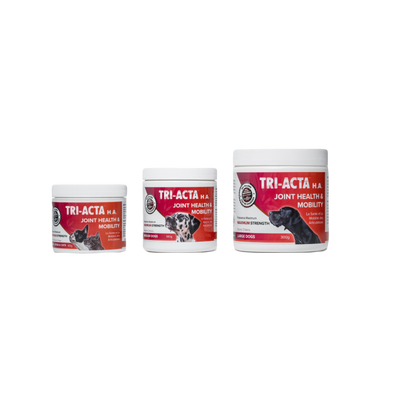
A more complete joint support approach includes ingredients that target both symptoms and structure. This is where TRI-ACTA H.A. provides a different level of support.
-
Glucosamine Sulfate and Glucosamine HCL: These forms work together to support the production of proteoglycans, the building blocks of cartilage. The sulfate form supplies sulfur needed for joint tissue, while the HCL form offers high bioavailability and efficient delivery.
-
Chondroitin (bovine-sourced): Helps inhibit the enzymes responsible for cartilage degradation, addressing the underlying cause of joint deterioration.
-
MSM (methylsulfonylmethane): Supports pain reduction and inflammation control, complementing the relief provided by omega-3s.
-
Hyaluronic acid: Improves joint lubrication, reducing friction and supporting smoother movement.
TRI-ACTA H.A. is formulated with 100% active ingredients and contains no fillers. It is a Health Canada-approved Veterinary Health Product (LRVHP), and its ingredients are third-party tested in Ontario for quality and consistency.
Used together, salmon oil and TRI-ACTA H.A. create a complementary strategy. Salmon oil helps manage inflammation, while TRI-ACTA H.A. supports cartilage integrity and joint function, addressing both immediate comfort and long-term joint health.
Conclusion: Improve Your Cat’s Health With Salmon Oil
So, is salmon oil good for cats? In most cases, it can support overall health when used correctly. Its EPA and DHA content play a meaningful role in maintaining skin and coat quality, supporting heart and kidney function, and helping manage inflammation. At the same time, dosing must be approached with care. The right amount depends on your cat’s individual needs, and more is not better.
For joint health, salmon oil supports comfort by reducing inflammation, but it does not address the structural breakdown of cartilage that drives long-term mobility issues. A more complete approach includes both symptom management and joint repair.
For cats dealing with joint concerns, pairing salmon oil with TRI-ACTA H.A. Joint Health Supplement for Pets provides broader support. Salmon oil helps manage inflammation, while TRI-ACTA H.A. works to rebuild cartilage, inhibit further degradation, and improve joint function over time.
Purchase TRI-ACTA online or learn where to buy at a store near you to support your cat’s long-term mobility and overall quality of life.
Our maximum strength formula is optimally designed to accelerate the formation of cartilage, minimize inflammation, expedite the healing process, and improve joint conditions.
TRI-ACTA H.A. for Pets
Share this post:



Proactive & Therapeutic Joint Supplements

When given daily, Integricare joint supplements recover bone and joint injuries faster and help prevent mobility injuries from happening in the first place.