

Table Of Contents
If you've been researching natural supplements for your dog, you've probably come across bee pollen. Natural, organic supplements are all the rage for humans, after all, and many people use bee pollen supplements to help with things like inflammation, immune health, and even to ease seasonal allergies. So you may be wondering if bee pollen for dogs is a thing and if your pup would be able to reap the same benefits from the supplement.
For most healthy dogs, bee pollen is generally considered safe when introduced gradually and fed in appropriate amounts. It's packed with vitamins, minerals, amino acids, antioxidants, enzymes, and plant compounds that may contribute to overall wellness. Some pet owners also use bee pollen for dogs with allergies (just like humans), although research is still limited and results vary.
Like any supplement, you shouldn’t consider bee pollen a cure-all. Product quality, serving size, and your dog's individual health all influence the benefits you may see.
This guide explains what bee pollen is, what bee pollen does for dogs, its potential health benefits, how to introduce it safely, possible side effects, and what to look for when choosing a quality supplement.
Key Takeaways
-
Bee pollen is a natural supplement that may promote immune health, skin and coat condition, digestion, and overall wellness in dogs.
-
Some dogs may benefit from bee pollen during allergy season because it naturally contains quercetin and other plant compounds associated with a healthy inflammatory response.
-
Start with a small amount and increase gradually so you can monitor your dog for signs of sensitivity.
-
Choose bee pollen from a trusted manufacturer that prioritizes clean sourcing, purity testing, and transparent labeling.
-
Bee pollen works best as part of a complete wellness routine and shouldn't replace veterinary care or supplements designed for specific health concerns.
What Is Bee Pollen, and Where Does It Come From?
Bee pollen is a nutrient-packed superfood that honeybees make from pollen collected from flowering plants. As they gather pollen, bees mix it with a small amount of nectar and enzymes from their saliva, forming the small granules they carry back to the hive as a food source. These granules are what we know as bee pollen.
These colorful, bright yellow/orange granules contain protein, amino acids, essential fatty acids, vitamins, minerals, antioxidants, enzymes, and beneficial plant compounds. The exact nutritional profile depends on the flowers the bees visit, so no two batches are identical.
Bee pollen also doesn’t need a lot of processing to use. After it's collected using specially designed pollen traps at the hive entrance, it's typically cleaned and gently dried to help preserve its naturally occurring nutrients.
Bee Pollen vs. Honey: What's the Difference?
It’s clear that bee pollen and honey are different, but we know they’re related:
-
Honey is made from flower nectar that bees convert into a concentrated source of carbohydrates.
-
Bee pollen is made from bees when they collect pollen from flowers. They mix the flower pollen with digestive enzymes, beeswax, honey, and nectar to make little pellets, which are now considered bee pollen. Typically, these pellets are used to feed the rest of the bee colony back at the hive, but they can be harvested by beekeepers and dried or frozen for later use.
Because bee pollen is made from more stuff, it generally provides a broader range of nutrients than honey. It contains protein, amino acids, healthy fats, vitamins, minerals, antioxidants, and beneficial plant compounds, while honey consists primarily of natural sugars and carbohydrates.
Bee pollen quality can also vary. Where it's harvested, the flowers available, environmental conditions, and processing methods all influence its nutritional value and purity. Choosing a product from a reputable manufacturer helps ensure your dog receives a clean, high-quality supplement.
Bee Pollen vs. Honey: Quick Comparison
|
Attribute |
Bee Pollen |
Honey |
|
Source |
Pollen collected from flowers and combined with small amounts of nectar and bee enzymes |
Nectar collected from flowers and converted into honey by bees |
|
Primary Nutrients |
Protein, amino acids, healthy fats, vitamins, minerals, antioxidants, enzymes, and plant compounds |
Primarily natural sugars and carbohydrates with small amounts of vitamins and antioxidants |
|
Primary Purpose |
Nutritional supplement that may promote overall wellness |
Natural energy source and sweetener |
|
Protein Content |
Naturally contains protein and essential amino acids |
Contains very little protein |
|
Typical Uses for Dogs |
Immune health, skin and coat health, seasonal allergy relief, digestive wellness, and overall nutrition |
Occasionally used in small amounts for palatability or as a natural sweetener when appropriate |
|
Processing |
Typically cleaned and gently dried after collection |
Filtered and bottled after extraction from the hive |
|
Quality Considerations |
Sourcing, plant diversity, purity testing, and processing method affect quality |
Floral source and processing influence flavor and quality |
Organic Bee Pollen for Dogs: What Makes a High-Quality Product?
Bees collect pollen from the plants around their hives, so the surrounding environment matters. Pollen gathered near heavily sprayed crops, industrial areas, or busy roadways may carry higher levels of pesticide residue or other contaminants. Choosing organic bee pollen for dogs can help reduce that risk.
When comparing products, look beyond the front label. A reputable manufacturer should be transparent about where its bee pollen comes from and how it's tested before it reaches consumers.
Here's what to look for when you're comparing products:
-
Purity: Listed as 100% pure bee pollen with no added sugars, binders, or preservatives.
-
Sourcing: Harvested from clean, remote, or certified organic regions (such as regional wildflower fields) to ensure it is free from heavy metals, synthetic pesticides, and agricultural chemicals.
-
Processing: Raw, low-temperature dehydrated, or freeze-dried granules that protect fragile live enzymes, vitamins, and antioxidants.
-
Appearance: Multi-colored, intact granules that show a diverse botanical origin (different flowers yield different colors) rather than a uniform, over-processed powder.
High-quality bee pollen gives you more confidence that you're adding a clean, nutrient-rich supplement to your dog's diet.
What Does Bee Pollen Do for Dogs? Top Health Benefits

Bee pollen may benefit several aspects of your dog's health thanks to its naturally occurring vitamins, minerals, amino acids, antioxidants, enzymes, and plant compounds. While it's not intended to treat or cure disease, it can be a valuable addition to a balanced diet for many healthy dogs.
Some of the most commonly discussed bee pollen benefits for dogs include:
-
Immune defense: Antioxidants and plant compounds may help maintain normal immune function.
-
Antioxidant protection: Naturally occurring antioxidants help protect cells from oxidative stress.
-
Skin and coat health: Nutrients and healthy fats may promote healthier skin and a shinier coat.
-
Digestive support: Bee pollen contains enzymes that play a role in normal digestion and gut health.
-
Everyday vitality: Its broad nutrient profile can help enhance overall vitality and wellness.
Why Is Bee Pollen Good for Dogs' Skin and Coat?
Healthy skin starts from within, and nutrition plays an important role. Bee pollen naturally provides essential fatty acids, amino acids, vitamins, and antioxidants that contribute to healthy skin and coat condition over time.
Many dog owners report that their dogs develop a softer, shinier coat after adding bee pollen to their routine.
Animal research has also linked bee pollen supplementation with improvements in coat appearance, although more canine-specific research is still needed.
If you're using bee pollen to encourage skin and coat health, keep realistic expectations. Like many nutritional supplements, it may take several weeks of consistent use before noticeable changes appear.
Bee pollen is more effective when used alongside other healthy habits, including:
-
A complete and balanced diet to provide the protein, healthy fats, vitamins, and minerals your dog needs every day.
-
Regular grooming to keep the skin and coat healthy while making it easier to spot dryness, irritation, or parasites early.
-
Routine veterinary care to catch underlying health issues before they become more serious.
-
Proper flea and parasite prevention to reduce common causes of itching, skin irritation, and digestive problems.
Bee Pollen Health Benefits for Dogs' Immune Function
Bee pollen contains naturally occurring antioxidants, polyphenols, flavonoids such as quercetin, enzymes, vitamins, minerals, and other beneficial plant compounds that may help the body respond to everyday oxidative stress.
Together, these naturally occurring compounds make bee pollen an interesting research subject for immune health and seasonal allergies.
In one randomized, double-blind clinical trial, dogs with atopic dermatitis receiving a complementary nutritional formula rich in botanical polyphenols and antioxidants alongside standard treatment experienced improvements in itching, skin redness, and inflammatory markers. While the formula did not contain bee pollen specifically, the findings highlight the growing interest in polyphenol- and antioxidant-rich nutrition as part of canine skin and immune health.
It's important to remember that bee pollen is a nutritional supplement, not a treatment for immune-related conditions. Dogs with chronic illnesses, autoimmune disorders, or persistent health concerns should always be evaluated by a veterinarian.
If you decide to add bee pollen to your dog's routine, focus on consistency rather than larger servings. Following the recommended amount each day is generally more beneficial than giving extra.
Is Bee Pollen Good for Dogs with Allergies?
Many pet owners start researching bee pollen for dogs because they're looking for natural ways to manage seasonal allergies. While bee pollen isn't a cure, some dogs may benefit from the nutrients and plant compounds it naturally contains.
One theory is that consuming small amounts of locally sourced bee pollen may gradually expose the body to tiny amounts of environmental pollen, similar to the concept behind allergen immunotherapy. The idea is that repeated, low-level exposure could help the immune system become less reactive over time. There have been a few studies done with dogs using this concept where the dogs showed some improvement, but the research with bee pollen for dogs specifically is limited.
What to Expect and What Not to Expect With Bee Pollen for Dogs with Allergies
Here's what you can realistically expect when giving your dog bee pollen:
-
Bee pollen may help your dog stay more comfortable during allergy season by encouraging a healthy inflammatory response.
-
Some dogs experience less itching, reduced paw licking, healthier-looking skin, or a shinier coat after several weeks of consistent use.
-
Bee pollen works gradually rather than overnight. Daily use over several weeks gives your dog's body time to benefit from its naturally occurring nutrients and plant compounds.
-
The results you see depend on the underlying cause of your dog's allergies. Dogs with mild seasonal allergies may notice greater improvements than those with chronic or more severe allergic conditions that require veterinary treatment.
Of course, we have to stress again that bee pollen for dogs has its limits. It isn't designed to replace allergy medications or veterinary treatment for dogs with moderate to severe allergies. If your dog has persistent itching, recurring ear infections, excessive licking, skin infections, or difficulty breathing, it's important to schedule a veterinary examination to identify the underlying cause and determine the most appropriate treatment plan.
Bee Pollen for Dogs Dosage Guidelines
One of the most common questions pet owners ask is how much bee pollen for dogs.
There isn't a universal dosage that's right for every dog. The appropriate amount depends on factors such as body weight, age, overall health, and the specific product you're using. Because formulations vary, always follow the manufacturer's directions and consult your veterinarian if you have questions about the right serving size for your dog.
A gradual introduction is recommended:
-
Start with a small fraction of the recommended serving.
-
Continue that amount for several days while watching for any signs of sensitivity.
-
If your dog tolerates it well, slowly increase the amount until you reach the recommended maintenance serving.
-
Continue monitoring your dog, especially during the first few weeks.
Starting slowly gives your dog's digestive system time to adjust and helps you identify any potential reactions before feeding larger amounts.
Bee Pollen Dosage for Dogs by Size
The table below provides general bee pollen dosage for dogs based on body size. These amounts are intended as starting points only and shouldn't replace veterinary advice.
General Bee Pollen Dose for Dogs by Weight
|
Dog Weight Range |
Starting Amount |
Maintenance Amount |
|
Under 20 lbs (9 kg) |
A pinch to 1/8 teaspoon |
1/4 teaspoon daily |
|
20 to 50 lbs (9 to 23 kg) |
1/8 teaspoon |
1/2 teaspoon daily |
|
Over 50 lbs (23 kg+) |
1/4 teaspoon |
1 teaspoon daily |
General guidance only. Always follow your veterinarian's recommendations and the serving instructions provided by the manufacturer.
Regardless of your dog's size, begin with less than the target amount during the first week. Once you've confirmed your dog tolerates the supplement well, you can gradually work up to the full maintenance serving if appropriate.
Is Bee Pollen Safe for Dogs? Side Effects to Watch For

For most healthy dogs, bee pollen is well tolerated when introduced gradually and fed in appropriate amounts. Starting with a small serving allows you to monitor your dog for any signs of sensitivity before increasing to the recommended maintenance amount.
Bee Pollen for Dogs: Side Effects and Warning Signs
Most dogs tolerate bee pollen well, but it's still important to watch for potential side effects, especially during the first few days.
Signs your dog may not be tolerating bee pollen include:
-
Itching, scratching, or increased skin irritation.
-
Swelling of the face, lips, muzzle, or tongue.
-
Vomiting or diarrhea.
-
Excessive drooling.
-
Difficulty breathing or other signs of an allergic reaction.
If you notice any of these symptoms, stop giving bee pollen and contact your veterinarian right away. If mild digestive upset occurs, discontinuing the supplement may resolve it, but always treat swelling or breathing difficulties as a medical emergency.
Introducing it gradually gives you time to spot any sensitivity before increasing the serving.
Which Dogs Should Avoid Dog Bee Pollen?
Although bee pollen is safe for many dogs, it isn't the right choice for every pet.
Talk to your veterinarian before using dog bee pollen if your dog:
-
Has a known allergy to bee products or pollen.
-
Has experienced an anaphylactic reaction to bee stings or other insect products.
-
Is a puppy with developing nutritional needs.
-
Is pregnant or nursing.
-
Takes prescription medications or has an underlying medical condition.
Your veterinarian can help determine whether bee pollen is appropriate based on your dog's medical history and current health.
Choosing the Best Bee Pollen for Dogs
With so many supplements on the market, quality can vary considerably. Choosing the best bee pollen for dogs starts with looking beyond the marketing claims on the label.
A high-quality supplement should provide clean, minimally processed bee pollen from a manufacturer that's transparent about sourcing and testing.
When comparing products, keep these questions in mind:
-
Where was the bee pollen collected? Look for brands that clearly identify the sourcing region.
-
Has the product been tested for purity? Third-party testing helps verify quality and screen for contaminants.
-
Does it contain unnecessary additives? The best products avoid artificial colors, flavors, fillers, and preservatives.
-
Is the manufacturing process clearly explained? Reputable companies are transparent about how they produce their supplements.
-
Does the product carry recognized quality certifications? For Canadian products, a Health Canada Veterinary Health Product (VHP) designation is a helpful quality marker.
It can be tempting to choose the least expensive option, but quality matters with bee pollen. Since its nutritional profile depends on where it's harvested and how it's processed, two products can look similar on the shelf while offering very different levels of quality.
Be cautious of products that provide little information about where the bee pollen was sourced or how it's tested. Vague ingredient lists, proprietary blends, or supplements with unnecessary fillers can make it difficult to know exactly what you're giving your dog. Brands that are transparent about their sourcing and manufacturing practices generally inspire more confidence.
Choosing a trusted brand helps ensure your dog receives a supplement that's both safe and consistent from batch to batch.
Bee Pollen Supplement for Dogs: Powder, Granule, or Capsule?
Bee pollen supplements come in several forms, and each has its own advantages.
|
Bee Pollen for Dogs Form |
Ease of Administration |
|
Powder |
|
|
Granules (original form) |
|
|
Capsules |
|
Canadian Bee Pollen for Dogs: What to Look for on the Label
If you're shopping for Canadian bee pollen for dogs, take a few minutes to review the label before making a purchase.
Look for information such as:
-
The country or region where the bee pollen was sourced.
-
How the bee pollen was processed.
-
Purity or third-party testing claims.
-
A complete ingredient list with no unnecessary additives.
-
A Health Canada Veterinary Health Product (VHP) designation, when applicable.
If you'd rather skip the guesswork, Blends for Life Bee Pollen, now part of the Integricare family, checks those boxes. It's a Canadian-made formula made with bee pollen, naturally occurring quercetin, and other beneficial micronutrients, and it carries a Health Canada Veterinary Health Product (VHP) designation.
Bee Pollen and TRI-ACTA: Supporting Different Parts of Your Dog's Health
Bee pollen and TRI-ACTA are designed for different goals, which means they can complement one another as part of a broader wellness routine.
Bee pollen is commonly used for whole-body wellness, including immune health, skin and coat condition, seasonal allergies, and overall nutrition.
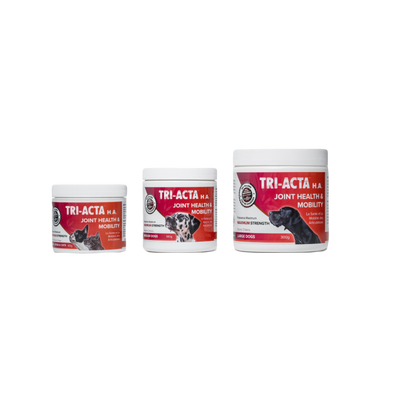
TRI-ACTA®, on the other hand, is a joint supplement. Its blend of glucosamine, chondroitin sulfate, MSM, and hyaluronic acid (in TRI-ACTA H.A.) is formulated to help maintain healthy cartilage, joint function, and mobility.
Because they serve different purposes, bee pollen and TRI-ACTA can be used together as part of a broader wellness plan. One focuses on whole-body nutritional support, while the other targets joint health.
Just like Blends for Life Bee Pollen, TRI-ACTA products are third-party tested in Ontario and carry a Health Canada Veterinary Health Product (VHP/LRVHP) designation, so you can feel confident about what you're giving your dog.
Our maximum strength formula is optimally designed to accelerate the formation of cartilage, minimize inflammation, expedite the healing process, and improve joint conditions.
TRI-ACTA H.A. for Pets
Should You Add Bee Pollen to Your Dog's Diet?
Bee pollen can be a valuable addition to your dog's wellness routine. When introduced gradually and fed in appropriate amounts, it may support immune health, skin and coat condition, digestion, and seasonal allergy management.
For the best results, choose a high-quality supplement and follow the manufacturer's serving recommendations. If your dog has underlying health conditions or a known allergy to bee products, talk to your veterinarian before adding bee pollen to their diet.
-
Looking for a trusted option? Shop Blends for Life Bee Pollen for a Canadian-made formula designed to promote immune health and seasonal allergy relief.
-
If joint health is also part of your dog's wellness plan, explore TRI-ACTA to help keep them moving comfortably for years to come.
Share this post:



Proactive & Therapeutic Joint Supplements

When given daily, Integricare joint supplements recover bone and joint injuries faster and help prevent mobility injuries from happening in the first place.