

Table Of Contents
When your horse's gut is happy, the rest of the body tends to benefit too. Digestive health affects everything from nutrient absorption and body condition to energy levels and overall performance. When the digestive tract isn't functioning properly, even a balanced diet may not provide the results you expect.
That's one reason digestive supplements for horses have become a go-to choice for many horse owners, trainers, and breeders. Whether your horse deals with travel stress, frequent feed changes, mild digestive upset, or simply needs extra nutritional support, the right supplement helps preserve a healthier digestive system.
The key is choosing ingredients backed by research and matched to your horse's digestive needs. Some formulas focus on probiotics, while others contain digestive enzymes, yeast cultures, buffering ingredients, or a combination of ingredients designed to promote digestive health.
This guide explains how the equine digestive system works, common causes of digestive upset, what ingredients to look for, and how to choose a supplement that fits your horse's lifestyle.
Key Takeaways
-
Good gut health promotes digestion, nutrient absorption, body condition, and overall performance. A healthy digestive system affects nearly every aspect of your horse's well-being.
-
Different digestive supplements work in different ways. Probiotics, prebiotics, digestive enzymes, yeast cultures, and buffering ingredients each target different aspects of digestive health.
-
Choose a supplement based on your horse's specific needs. Horses prone to ulcers, hindgut sensitivity, travel stress, or poor body condition often benefit from different formulations.
-
Introduce new supplements gradually and monitor your horse's appetite and manure consistency. Consult your veterinarian if digestive problems persist or become severe.
Why Equine Gut Health Matters
Horses are natural grazers, built to nibble on forage for hours at a time. Establishing good feeding habits early is especially important for a young horse, helping encourage normal digestive development as its nutritional needs change with growth.
The equine digestive tract is divided into two main sections:
-
The foregut, which includes the stomach and small intestine, begins the digestive process by breaking down feed and absorbing many nutrients.
-
The hindgut, made up of the cecum and colon, contains billions of beneficial bacteria that ferment fiber and produce nutrients the horse can use for energy.
Here's something many horse owners don't realize about equine gut health: horses produce stomach acid around the clock, even when they aren't eating. Long periods without forage leave the stomach exposed to acid, increasing the risk of gastric ulcers in some horses. This is one reason consistent access to hay or pasture is often recommended.
But the stomach is only part of the story. The hindgut is home to billions of beneficial bacteria that break down fiber and produce nutrients your horse can use for energy. When this microbial balance is disrupted, horses may experience problems such as:
-
Loose manure
-
Mild recurring colic
-
Reduced feed efficiency
-
Weight loss or difficulty maintaining condition
-
Changes in appetite
If your horse is struggling to hold weight despite eating well, the digestive system is one of the first places to look. Gut health, along with forage quality, dental care, and parasite control, can all play a role.
Common Triggers for Digestive Upset in Horses
Even horses with excellent diets can have digestive off days. Travel, stress, changes in routine, antibiotics, or even a new batch of hay can throw the digestive system out of balance, especially the beneficial bacteria living in the hindgut.
Some of the most common causes include:
-
Sudden feed changes. Switching hay, grain, or supplements too quickly can disrupt the hindgut microbiome and increase the risk of digestive upset.
-
Stall confinement and reduced turnout. Less movement and limited grazing time may affect normal digestive function.
-
Hauling and competition stress. Travel, unfamiliar environments, and changes in routine can impact appetite and gut health.
-
Antibiotic use. While antibiotics treat bacterial infections, they can also affect beneficial bacteria in the digestive tract.
-
High-grain, low-forage diets. Large amounts of starch and limited fiber can alter hindgut fermentation and increase the risk of digestive problems.
Many horses experience more than one of these factors at the same time. For example, a competition horse may travel frequently, spend more time in a stall, and have a higher-grain diet to meet its energy needs. Recognizing these stressors can help you decide whether additional digestive support may be beneficial.
Choosing the Right Digestive Supplement for Your Horse
|
If Your Horse... |
Key Ingredients |
Why |
|
Travels often or competes |
Look for probiotics, prebiotics, and yeast cultures. |
Help support digestive balance during routine changes and travel stress. |
|
Is prone to gastric ulcers |
Look for buffering ingredients and pectin-lecithin complexes. |
Help buffer stomach acid and support the stomach lining. |
|
Has frequent feed changes |
Look for probiotics and prebiotics. |
Help support the hindgut microbiome during dietary transitions. |
|
Is a hard keeper |
Look for digestive enzymes and yeast cultures. |
Help improve nutrient breakdown and fiber utilization. |
|
Is a senior horse |
Look for digestive enzymes, probiotics, and prebiotics. |
Help support digestion and nutrient utilization as digestive efficiency changes with age. |
|
Needs everyday digestive support |
Look for a combination formula. |
Provides support for multiple aspects of digestive health rather than focusing on a single concern. |
Basic Equine Gut Health: Core Ingredients Explained
Once you understand what each ingredient contributes, comparing supplements becomes much easier. Some formulas focus on the hindgut, others target stomach health, and many combine several ingredients.
Prebiotics and Probiotics in a Gut Health Equine Supplement
You might see prebiotics and probiotics listed together on supplement labels, and for good reason. They complement one another, but they aren't the same thing.
Probiotics are live beneficial bacteria that help encourage a balanced population of microorganisms in the hindgut. They're commonly included in supplements to help keep digestion on track during periods of stress, travel, or dietary change.
Unlike probiotics, though, prebiotics don't add new bacteria. Instead, they feed the beneficial microbes already living in your horse's digestive tract.
Many gut health equine supplements include both ingredients because they work together to promote a stable hindgut environment. We're still learning more about the equine hindgut microbiome, but studies continue to show it plays an important role in digestion, immune function, and overall health.
Digestive Enzyme Supplements for Horses
Think of digestive enzymes as tiny helpers, each with its own job before the feed reaches the hindgut.
-
Amylase helps digest starches, allowing your horse to use carbohydrates more efficiently for energy instead of sending excess starch into the hindgut.
-
Protease breaks proteins down into amino acids, which the body uses to maintain muscles, tissues, and many other essential functions.
-
Cellulase helps unlock nutrients from fiber-rich forage, allowing horses to get more value from the hay and pasture that make up most of their diet.
Helping break down nutrients earlier in the digestive process may reduce the amount of undigested material that reaches the hindgut, where excessive fermentation can contribute to gas production and digestive discomfort.
Yeast Cultures
If you've looked at digestive supplements for horses before, you've probably noticed Saccharomyces cerevisiae on the label. This beneficial yeast is commonly included to aid fiber digestion and maintain a healthy hindgut balance, particularly in horses that consume higher-grain diets or experience frequent stress.
Saccharomyces cerevisiae has been shown to improve fiber digestion by promoting the activity of fiber-digesting microorganisms in the hindgut, particularly during periods of dietary change or stress.
Buffers and Coating Agents
Unlike probiotics and enzymes, buffering ingredients focus on the stomach rather than the hindgut, making them especially useful for horses prone to gastric ulcers.
Ingredients such as calcium carbonate and pectin-lecithin complexes are often added to digestive supplements to buffer stomach acid and maintain the stomach's protective barrier.
While these ingredients play a role in preserving normal stomach function, they aren't intended to diagnose or treat ulcers. Any horse showing signs of gastric ulcers should always be evaluated by a veterinarian.
Common Ingredients in Equine Gut Health Supplements
|
Ingredient |
What It Does |
Best For |
|
Probiotics |
Add beneficial bacteria to maintain a balanced hindgut microbiome. |
Probiotics are best for horses experiencing stress, feed changes, or antibiotic use. |
|
Prebiotics |
Feed beneficial bacteria already living in the digestive tract. |
Prebiotics are best for long-term digestive health and hindgut support. |
|
Digestive Enzymes |
Break down starches, proteins, and fiber before hindgut fermentation. |
Digestive enzymes are best for horses needing additional digestive efficiency or nutrient utilization support. |
|
Yeast Cultures |
Encourage efficient digestion and help maintain a stable hindgut environment. |
Yeast cultures are best for performance horses and horses eating higher grain diets. |
|
Buffers & Coating Agents |
Buffer stomach acid and support the stomach lining. |
Buffers and coating agents are best for horses prone to ulcers or those that travel and compete frequently. |
Basic Equine Gut Health Benefits: What Owners Can Expect

Don't expect dramatic changes overnight. Like most nutritional supplements, digestive formulas need a little time to do their job. Many owners start noticing improvements after several weeks of consistent use.
Commonly reported basic equine gut health benefits include:
-
Firmer, more consistent manure. Better manure quality is often one of the first signs that a horse's digestive system is functioning more efficiently.
-
Improved coat quality and body condition over time. Better digestion and nutrient utilization may help horses stay at a healthier weight and develop a shinier coat.
-
Better feed efficiency, particularly in hard keepers. Getting more nutritional value from forage and feed may help horses that struggle to hold their body condition.
-
More consistent digestive function during travel, competition, or boarding changes. Digestive supplements for horses may help keep the gut on track when routine changes place additional stress on the digestive system.
-
Fewer mild digestive disruptions associated with routine stress. Some owners notice fewer episodes of loose manure or other mild digestive changes during common stressors like transportation, feed transitions, or changes in management.
Keep in mind that digestive supplements for horses are designed to support gut health, not replace veterinary care. If your horse shows signs of colic, persistent diarrhea, weight loss, poor appetite, or suspected gastric ulcers, consult your veterinarian promptly to identify and treat the underlying cause.
Digestive Supplements for Horses Formats: Pellets, Powders, and Pastes
Digestive supplements for horses come in several forms, and the best choice often depends on your horse's feeding routine, preferences, and digestive needs.
Basic Equine Gut Health Pellets
Pellets are one of the easiest options for everyday use. They're easy to scoop, simple to mix into feed, and most horses don't think twice about eating them.
Pellets are a good choice for horses that:
-
Receive grain or concentrate twice a day. Pellets mix easily into regular meals, making them a convenient option for daily use.
-
Need ongoing digestive care. They're well-suited for long-term supplementation because they're simple to measure and feed consistently.
-
Prefer a textured feed over powders. Some horses are more willing to eat pellets than powdered supplements, especially picky eaters.
Because they're premeasured by scoop, pellets are also convenient for owners managing multiple horses.
Powders
Powdered supplements are another common choice and are often formulated with higher concentrations of active ingredients.
Powders might be a better fit if:
-
Your horse needs a more targeted approach. Many powdered formulas are designed with concentrated ingredients for specific digestive concerns.
-
You want more control over the serving size. It's easy to fine-tune the amount based on your horse's needs.
-
You're already mixing several supplements into one meal. Powders combine well with other products, helping keep feeding simple.
Some horses readily eat powdered supplements mixed into damp feed, while others may be more selective. Following the manufacturer's mixing instructions can make powdered supplements more appealing.
Pastes and Tubes
Pastes and oral syringes are ideal for fast, convenient digestive relief or for more precise dosing.
They're commonly used:
-
Before hauling or competition. They're quick to administer before your horse hits the road or heads into the show ring.
-
During periods of increased stress. Travel, training, and changes in routine can all take a toll on the digestive system.
-
After significant management changes, such as boarding or feed transitions. They're an easy way to incorporate digestive care while your horse adjusts to something new.
Because the supplement is administered directly by mouth, you don't have to rely on your horse finishing its entire meal.
How to Choose the Best Gut Health Supplement for Horses
The best gut health supplement for horses depends on why you're using it. More ingredients don't necessarily mean a better supplement. The best choice is the one that matches your horse's specific needs.
As you compare products, consider these factors:
-
Match the ingredients to your horse's digestive concerns. Ulcer-prone horses often benefit from buffering ingredients, while those with hindgut sensitivity may benefit from prebiotics, probiotics, or yeast cultures. Research continues to expand our understanding of these ingredients, showing that each serves a different purpose within the digestive system.
-
Look for transparent labeling. Choose digestive supplements for horses that clearly list their active ingredients and serving recommendations.
-
Check for quality assurance. Third-party testing or manufacturer quality control programs can provide added confidence in the product.
-
Consider your horse's lifestyle. A performance horse that travels frequently may have different nutritional needs than a retired pasture horse.
-
Introduce the supplement gradually. Allow your horse time to adjust while monitoring appetite, manure consistency, and overall behaviour.
Most horses benefit from at least two to three weeks of consistent use before noticeable changes become apparent. If your horse has a history of gastric ulcers, recurring colic, chronic diarrhea, or unexplained weight loss, work with your veterinarian or an equine nutritionist before starting a new supplement.
Best Digestive Supplements for Horses: Recommendations by Situation
No single supplement is right for every horse. Choosing the right product starts with understanding what's contributing to your horse's digestive challenges.
Best Supplements for Digestive Support in Horses Prone to Ulcers
If your horse has a history of gastric ulcers, they may benefit from supplements formulated to promote stomach health.
Look for products containing:
-
Buffering ingredients, such as calcium carbonate.
-
Coating agents like pectin-lecithin complexes.
-
Ingredients designed to protect the stomach lining.
Pectin-lecithin complexes are commonly included in these formulas because they help protect the stomach lining and support the stomach's natural barrier.
Management practices matter just as much as supplementation. Providing frequent access to forage, reducing long periods without feed, and using slow-feed hay nets can minimize the amount of time the stomach is exposed to acid.
Max Gut Health Equine Support for Performance and Competition Horses
Trailering, competitions, unfamiliar barns, and changes in routine can all take a toll on a horse's digestive system.
During busy competition seasons, many owners look for supplements that provide:
-
Prebiotics and probiotics to promote a healthy hindgut environment.
-
Yeast cultures to promote fibre digestion.
-
Convenient paste or powder formulations for use around travel and competition.
Keeping feeding times as consistent as possible can also help reduce digestive stress during busy competition seasons. Regular training and competition also put extra strain on joints, which is why many owners pair digestive supplements for horses with joint nutrition.
Senior Horses and Basic Equine Health Gut Health Needs
As horses get older, changes in digestion and dental health can make it harder to maintain body condition. Many senior digestive formulas include:
-
Digestive enzymes to aid nutrient breakdown.
-
Prebiotics and probiotics for hindgut health.
-
Yeast cultures to promote fibre utilization.
Many owners also pair digestive supplements with senior feeds formulated for easier chewing and digestion, creating a nutrition program tailored to aging horses' needs.
Gut Health Feed for Horses vs. Standalone Gut Health Supplements for Horses
A question many owners ask when it comes to choosing a gut health feed for horses is, “Should I switch to a gut-supportive feed or simply add a digestive supplement?" In many cases, the answer depends on your horse's individual needs.
A complete feed with digestive ingredients already built in keeps things simple at mealtime. Standalone gut health supplements for horses give you more flexibility, making it easy to address specific concerns without changing your horse's entire diet. They're especially handy during travel, competitions, feed changes, or other stressful situations.
Plenty of owners use both approaches. A horse might eat a gut-friendly complete feed year-round, then add a digestive supplement when life gets a little more demanding.
Digestive Supplements for Horses Alongside Joint Supplements as Part of a Whole Wellness Plan

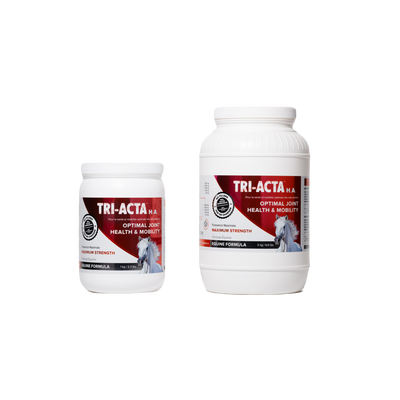
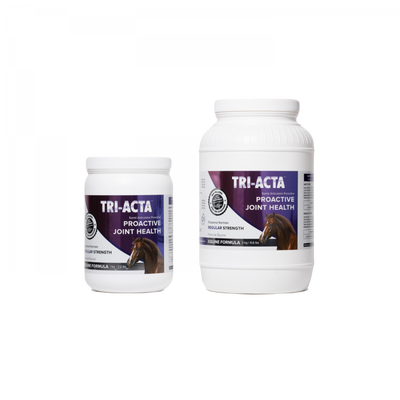
Digestive health is only one part of keeping your horse feeling its best. Joint comfort becomes just as important for aging horses and those in regular training. TRI-ACTA is formulated to support healthy joints, cartilage, connective tissue, and mobility. Its ingredients, including glucosamine, chondroitin sulfate, MSM, and hyaluronic acid (in TRI-ACTA H.A.), target joint health rather than digestion.
Because they target different body systems, digestive supplements and joint supplements can complement one another as part of a well-rounded wellness routine. For example, a performance horse may receive a digestive supplement to manage the demands of travel and competition while using a joint formula to preserve long-term mobility and comfort.
As with any supplement program, introduce new products gradually and discuss long-term nutritional plans with your veterinarian, especially if your horse has ongoing health concerns.
Our maximum strength formula is perfect for horses that are ageing, experiencing arthritis and stiffness, are in training and competition, or under a heavy workload.
TRI-ACTA H.A. for Equine
Digestive Health Supplements for Horses FAQ
How do I know if my horse needs a digestive supplement?
Signs such as loose manure, difficulty maintaining weight, reduced appetite, girthiness, or mild recurring colic may indicate that your horse could benefit from a digestive supplement. Those signs don't always mean the digestive system is to blame, though. They can also point to other health issues, so it's worth having your veterinarian identify the underlying cause before adding a supplement.
Are digestive enzymes supplements for horses safe for long-term use?
Yes, digestive enzymes are generally considered safe for long-term use in healthy horses when fed according to the manufacturer's directions. As with any supplement, monitor your horse's appetite, manure consistency, and overall condition after introducing a new product.
Can I feed a gut health supplement alongside a gut health feed for horses?
Yes. Many horse owners use both together. A gut-supportive feed provides a solid nutritional foundation, while a standalone supplement can help keep digestion on track during travel, competition, feed changes, or other stressful situations.
How long does it take to see results from a gut health equine supplement?
Many owners notice improvements in manure consistency, appetite, or overall digestive comfort within two to three weeks. Changes in body condition, coat quality, and weight maintenance may take six to eight weeks, depending on the horse and the supplement being used.
What is the difference between probiotics and digestive enzymes for horses?
Probiotics introduce beneficial bacteria that maintain a healthy hindgut microbiome. Digestive enzymes work differently by helping break down starches, proteins, and fibre earlier in the digestive process, which may improve nutrient digestion before feed reaches the hindgut.
Building a Foundation for Gut Health for Horses
Good gut health for horses does more than aid digestion. It plays a role in nutrient absorption, body condition, coat quality, comfort, and everyday performance.
There's no single supplement that's right for every horse. The best choice isn't necessarily the one with the longest ingredient list. It's the one that fits your horse's age, workload, diet, and digestive needs.
Start by identifying what your horse actually needs. A horse prone to ulcers won't need the same ingredients as a performance horse or an older horse struggling to maintain weight. Once you've found a formula that matches those needs, introduce it gradually and give it a few weeks before judging the results.
Purchase TRI-ACTA online or learn where to buy at a store near you.
Providing preventative support for younger horses and helping mitigate the early onset of joint degeneration and other mobility issues.
TRI-ACTA for Equine
Share this post:



Proactive & Therapeutic Joint Supplements

When given daily, Integricare joint supplements recover bone and joint injuries faster and help prevent mobility injuries from happening in the first place.