


Table Of Contents
There’s nothing fishy about wanting to prioritize the health of your kitty—they are a furry family member after all—unless you consider how fish oil for cats can be beneficial!
Fish oil for your kitty can help ease a number of health woes and set them up for a healthy, long life, especially when paired with other types of cat supplements and balanced diets.
Ready to dive into learning more about fish oil for cats? Let’s get started!
What Are Fish Oil Supplements for Cats?
Fish oil supplements for cats (and dogs) are dietary products that provide Omega-3 fatty acids, specifically DHA (Docosahexaenoic acid) and EPA (Eicosapentaenoic acid). These supplements are designed to support various aspects of feline health, including skin, coat, joints, heart, and cognitive function. They come in various forms, such as liquid oils, soft gel capsules, or chews, making them easy to incorporate into your cat's diet.
Fish oil supplements are typically made from fish like salmon, mackerel, sardines, or anchovies, which are naturally rich in Omega-3s. They help to reduce inflammation, improve skin and coat condition, and support overall health. Choosing high-quality, purified supplements free of toxins is essential, and consult a veterinarian to ensure the right dosage for your cat.
Is Fish Oil Good for Cats?
Yes, fish oil is generally beneficial for cats when given in the right amounts and under veterinary supervision. Fish oil is rich in omega-3 fatty acids, particularly EPA (eicosapentaenoic acid) and DHA (docosahexaenoic acid)—two essential nutrients that support multiple aspects of feline health.
-
Promotes healthy skin and coat: Omega-3s reduce inflammation and improve moisture retention in the skin, helping to alleviate dryness, itching, and flakiness. Cats with allergies or dermatitis often experience noticeable relief after consistent supplementation.
-
Supports joint health: Fish oil can help manage arthritis and other joint-related issues by easing inflammation and stiffness, allowing cats to move more comfortably.
-
Boosts heart health: Omega-3 fatty acids promote cardiovascular health by improving circulation, supporting proper heart rhythm, and helping to reduce triglyceride levels.
-
Improves cognitive function: DHA is crucial for brain development in kittens and supports cognitive function in older cats, helping maintain memory and learning ability.
-
Aids immune function: Fish oil strengthens the immune system, helping cats recover more effectively from illness or infection.
While fish oil offers many benefits, it’s important to follow your veterinarian’s dosage recommendations. Too much can cause digestive upset or interfere with the absorption of fat-soluble vitamins (A, D, E, and K).
Is Fish Oil Safe for Cats?
When used appropriately, fish oil is safe for most cats. However, as with any supplement, moderation and veterinary guidance are key. Over-supplementation or improper dosing can cause side effects such as:
-
Diarrhea or loose stools
-
Fishy odor on the breath or skin
-
Weight gain from excess calories
-
Reduced blood clotting ability (in very high doses)
Cats with bleeding disorders, pancreatitis, or seafood allergies may need alternative forms of omega-3s or adjusted dosages. Always consult your veterinarian before starting fish oil to ensure it’s safe for your cat’s individual health needs.
Is Human Fish Oil Safe for Cats, or Should You Stick to Vet-Recommended Fish Oil for Cats?
While it may be tempting to share your own supplements, human fish oil is not always safe for cats. Human formulations can contain additives, flavorings, or higher concentrations of omega-3s that may upset a cat’s digestive system or cause toxicity.
Veterinary-grade fish oils are specifically formulated for feline metabolism and weight, ensuring the correct balance of EPA and DHA without harmful fillers or excessive doses. These products also undergo stricter quality testing for contaminants like mercury or PCBs.
If you want to give your cat fish oil, choose a vet-approved supplement designed for pets. Your veterinarian can recommend the right brand, dosage, and delivery method (liquid, capsule, or powder) for your cat’s size and health condition.
Is Omega-3 Fish Oil Good for Cats Compared to Other Fatty Acid Sources?
Fish oil remains one of the most potent and bioavailable sources of omega-3 fatty acids for cats, but it’s not the only option.
-
Krill oil: Another excellent source of omega-3s with high bioavailability. It often contains natural antioxidants (like astaxanthin) but may be more expensive.
-
Algal oil: A plant-based, vegetarian alternative derived from algae. It’s rich in DHA and ideal for cats with fish allergies or sensitivities.
-
Flaxseed oil: Contains ALA (alpha-linolenic acid), which the body must convert to EPA and DHA. Cats convert ALA poorly, making flaxseed oil less effective for joint and heart health compared to fish oil.
In most cases, marine-based omega-3 sources like fish or krill oil provide the greatest benefit because they contain preformed EPA and DHA that cats can readily use.
Fish Oil for Cats Benefits

The benefits of fish oil for cats are numerous. From inside to outside, your kitty can experience various benefits through a daily dose of fish oil for cats. Here is a more detailed look at these benefits.
Skin & Coat Health
Healthy skin is your cat’s first line of defense against irritation, infection, and inflammation—and fish oil helps keep it that way.
Omega-3 fatty acids are crucial for maintaining the structure and function of skin cells. They help balance the body’s pro-inflammatory and anti-inflammatory responses, reducing itching, dryness, and redness. When combined with linoleic acid (another essential fatty acid), fish oil strengthens the skin’s moisture barrier, keeping your cat’s coat soft, shiny, and flake-free.
Benefits of fish oil for cats with dry skin, dandruff, itching, and shedding:
-
Reduces irritation and inflammation that lead to itchy, flaky skin
-
Moisturizes from within to prevent dryness and excessive shedding
-
Restores natural shine and smoothness to dull, brittle fur
Is fish oil good for cats’ skin?
Yes—fish oil is one of the best natural ways to nourish your cat’s skin from the inside out. Within just a few weeks of consistent supplementation, most pet parents notice improvements in coat texture and reduced itchiness.
Eliminates Fatty Acid Deficiency
While rare, fatty acid deficiencies can occur in cats fed low-quality or improperly balanced diets. Signs may include:
-
A dull, dry coat
-
Flaky or scaly skin
-
Red, irritated patches
-
Increased scratching or rubbing
In more severe, long-term cases, deficiencies may cause hair loss, painful rashes, or secondary skin infections. Adding a high-quality fish oil supplement for cats can correct these imbalances within 3–8 weeks, improving skin condition and overall comfort.
Joint Support & Mobility
As cats age, it’s common to see signs of joint stiffness, limping, or decreased activity. Omega-3s from fish oil—particularly EPA and DHA—act as powerful anti-inflammatories that help reduce pain and swelling in the joints.
Research has shown that diets high in omega-3 fatty acids can improve mobility and overall comfort in cats with arthritis or degenerative joint disease. In one 10-week study, cats receiving fish oil were more active and showed less pain compared to those given corn oil.
Complementary Use with Joint Supplements Like TRI-ACTA
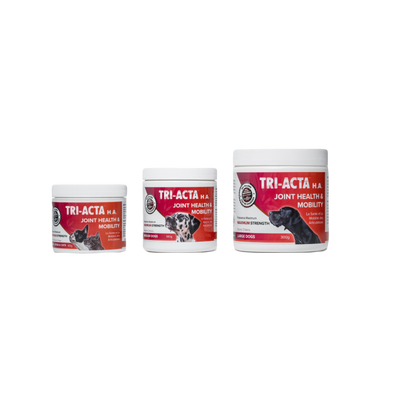
For maximum benefit, fish oil can be paired with a joint supplement such as TRI-ACTA for Pets. This combination addresses both inflammation (via fish oil) and cartilage repair (via TRI-ACTA’s glucosamine, chondroitin, and MSM).
|
Ingredient in TRI-ACTA Joint Supplement |
Benefits |
|
Glucosamine |
Rebuilds and repairs damaged cartilage |
|
Chondroitin |
Prevents further cartilage deterioration |
|
MSM |
Provides antioxidant support and reduces pain and inflammation |
Together, these supplements help your cat maintain joint flexibility, minimize pain, and enjoy a more active life well into their senior years. Our maximum strength formula is optimally designed to accelerate the formation of cartilage, minimize inflammation, expedite the healing process, and improve joint conditions.
TRI-ACTA H.A. for Pets
Kidney & Heart Health
Fish oil supports joints and skin, but it can also be valuable for kidney and heart health, especially in aging cats.
Is fish oil good for cats with kidney disease?
Yes. Evidence suggests that omega-3 fatty acids help slow the progression of chronic kidney disease (CKD) in cats by reducing inflammation in the kidneys and improving blood flow. Studies have also shown that cats with CKD fed omega-3–rich diets often experience improved appetite, energy, and overall quality of life.
According to a study of 146 cats with kidney disease conducted by the Animal Medical Center of Chicago, cats supplemented with omega-3 fish oils lived a median of 17 months compared to only 7 months for those who did not take the supplements.
Cardiovascular Support for Aging Cats
Omega-3s promote healthy circulation and help regulate heart rhythm, reducing the risk of arrhythmias and heart-related inflammation. They may also help lower triglycerides, improving overall cardiovascular function in senior cats.
Immunity Boost & Inflammation Control
A strong immune system helps your cat stay resilient against infections, allergies, and chronic inflammation.
Research shows that omega-3s from fish oil can enhance immune response by improving white blood cell function and modulating the body’s inflammatory processes. After just two weeks of fish oil supplementation, cats have been shown to experience increased phagocytic activity—the ability of immune cells to attack and remove harmful pathogens.
In simpler terms, fish oil helps your cat’s immune system respond more efficiently to threats, reducing the likelihood of illness and improving recovery times after infection or injury.
Cognitive & Developmental Support
From curious kittens to wise seniors, omega-3s—especially DHA—are vital for brain development and cognitive maintenance.
-
For kittens, DHA supports brain and eye development, improving coordination and learning ability.
-
For adult cats, it helps maintain sharp thinking and responsiveness.
-
For senior cats, fish oil can slow cognitive decline and support brain health as they age.
Cats live longer than ever, with many reaching 20 years or older. However, longer lifespans can bring age-related cognitive changes similar to dementia in humans—known as feline cognitive dysfunction.
Fortunately, fish oil is part of the solution for cognitive decline in cats. Studies have shown that middle-aged and older cats benefit from supplements containing antioxidants, B vitamins, and fish oil, improving brain function and slowing degeneration.
Signs your aging cat may benefit from fish oil supplements include:
-
Disorientation or confusion
-
Wandering outside their normal area
-
Reduced playfulness
-
Increased or irregular sleep
-
Spacey behavior, such as staring into space
-
Decreased appetite or thirst
-
Not using the litter box
-
Random loud vocalizing, especially at night
If you notice these signs, consult your vet and consider adding fish oil to their diet.
Types of Omega 3 Fish Oil for Cats

Cats are notoriously fussy when it comes to giving them medication or the best cat supplements for their health. Fortunately, cats can choose from several types of Omega 3 fish oil.
Fish oil for cats is often incorporated into their diets in a few common forms:
|
Forms of Fish Oil Supplement for Cats |
Description |
|
Omega 3 Fish Oil for Cats Food |
Specially formulated cat food can include extra omega-3s for a 2-in-1 solution. |
|
Liquid Fish Oil for Cats |
A liquid concentration of fish oil is perfect for adding on top of dry kibble or in treats |
|
Fish Oil Capsules for Cats |
Capsules offer an easy-to-serve, soft gel format for fish oil for cats. |
|
Fish Oil Pills for Cats |
Whether in treat format or a firm tablet, fish oil pills for cats provide a pre-measured dose of fish oil. |
In addition to the different forms of fish oil for cats, there are obviously also different types. These types vary in terms of which fish the oil is sourced from, and their efficacy in terms of absorption and other factors.
Salmon Oil
-
Benefits:
-
High in Omega-3 fatty acids (DHA and EPA).
-
Supports healthy skin and coat.
-
Promotes joint health and reduces inflammation.
-
Beneficial for heart health.
-
Drawbacks:
-
It may have a strong odor that some cats dislike.
-
It can be more expensive than other fish oils.
Sardine Oil
-
Benefits:
-
Rich in Omega-3s, especially EPA, making it effective for reducing inflammation.
-
Sardines are less likely to be contaminated with heavy metals because they are smaller and lower on the food chain.
-
Supports cognitive function and heart health.
-
Drawbacks:
-
Strong smell that some cats might resist.
Cod Liver Oil
-
Benefits:
-
Contains Omega-3s (DHA and EPA) and vitamins A and D.
-
Good for skin and coat health.
-
Drawbacks:
-
High Vitamin A and D content: These vitamins can be toxic to cats in high amounts, increasing the risk of overdose if not carefully monitored.
-
Should only be used under veterinary supervision due to the risk of vitamin toxicity.
Krill Oil
-
Benefits:
-
High absorption rate of Omega-3s compared to other fish oils.
-
Contains antioxidants like astaxanthin, which provides additional health benefits.
-
Less fishy odor, making it more palatable for cats.
-
Drawbacks:
-
It can be more expensive than other types of fish oil.
-
It may be less widely available.
Fish oil is one way to boost a cat's health. It is a great addition to other dietary and nutritional supplements, such as joint supplements.
Other popular supplements fed alongside fish oil supplements for cats include:
-
Natural supplements for cats
-
Food supplements for cats
-
Hairball supplements for cats
-
Vitamins for cats
Creating a balanced, healthy diet while adding missing vitamins and minerals your cat may not get from their food will be a great starting point for any pet wellness enthusiast!
How to Choose Fish Oil Supplements for Cats

You don’t want to choose just any fish oil for cats to feed your precious feline. You need to find a high-quality option to feed them and ensure they will benefit from it!
The fish oil supplements for cats selection criteria to watch for when picking a fish oil for cats include:
-
The quality of the product itself
-
The serving size is therapeutic yet small
-
Offers reputable sourcing and processing
Ingredients
When buying fish oil supplements for cats, it's important to check the ingredients carefully. Avoid products with fillers, as they reduce the effectiveness of the supplement and add unnecessary extras to your cat's diet. Opt for fish oil that contains only active ingredients.
Additionally, ensure the fish oil is high-quality and responsibly sourced. Pay attention to the type of fish used and look for products from reputable companies that test for contaminants like heavy metals and oxidation.
Be cautious of fish oil supplements containing vitamins A and D, especially from cod liver oil, as high levels of vitamin A can be toxic to cats.
Lastly, packaging matters. Choose fish oil stored in aluminum or glass containers to prevent contamination and oxidation. Ensure the packaging is sealed and undamaged to maintain freshness.
Serving Size
Did you know that a fifth of households with cats use supplements? That’s a lot of cat paw-rents seeking the benefits of fish oil supplements for cats, joint supplements, and other formulas that target health concerns.
Unfortunately, with an increase in popularity comes an increased risk of falling victim to a supplement that doesn’t have a therapeutic effect in its serving size or needs to be much larger to be valuable to your cat.
Choose a fish oil supplement for cats with a small serving size that you can easily incorporate into your kitty’s diet daily. It contains 100% active ingredients with no filler.
Common serving size formats for fish oil for cats include:
-
1-2 fortified treats per day
-
1 fish oil capsule per cat per day
-
1 teaspoon of liquid fish oil for cats
When treating an underlying health condition such as problematic skin or limping, you will want to give the therapeutic dosage of fish oil supplements for cats: 1000 mg of fish oil per 10 lbs of body weight daily.
Remember, talk to your veterinarian about adding supplements to your cat’s diet first to ensure it’s right for them.
Reputable Source & Processing
Unfortunately, not all fish oils can be considered to be on a level playing field. Some may look fine and promise you big things, but in reality, they are made from low-quality materials by low-quality companies.
Fish oil supplements are traditionally made from wild-caught salmon. However, as a predatory fish, there is a growing concern about the accumulation of toxins and heavy metals, especially mercury. This isn't something you want your cat to ingest! That's why choosing a reputable, well-known brand with your cat's best interests in mind is so important.
When comparing labels of fish oil for cats, look for the key factors outlined in the table below.
|
What to Look for on Fish Oil for Cats Label |
Why it Matters |
|
Sourced from Small Fish |
Oil extracted from larger fish like salmon is richer in DHA and EPA than oil extracted from smaller fish like sardines and anchovies. |
|
Cold-pressed |
Fish oil for cats can be damaged by high temperatures during processing. Cold-pressed fish oils for cats provide the most nutritional value. |
|
Third-party tested |
A lab-tested fish oil for cats is the best choice. Third-party testing reduces the risk of manufacturers providing pet owners with toxic or fraudulent products |
|
Distilled |
Fish oil in its raw state may contain toxins like heavy metals. Distillation removes these harmful chemicals and other impurities, making the final product safe. |
It is worth noting that salmon overfishing has led to an increase in farmed salmon as a source of fish oil for cats to reduce environmental harm. And while farm-raised salmon may help restore wild salmon populations, these fish are fed grains, corn, and groundfish, so they don't get the same exposure to algae and plankton as wild salmon. As a result, farm-raised fish have lower levels of omega-3 fatty acids. Avoid choosing a supplement that sources its fish oil for cats from farm-raised salmon for the safest bet.
4 Vet-Recommended Fish Oil Options for Cats
With all of this knowledge about what fish oil can do for your cat under your belt, you’re probably wondering how you can include it in their diet and which omega 3 fish oil for cats is going to be the best option.
We’ve rounded up four of our top picks for the best fish oil for dogs and cats, so you can save some time researching and get right to helping your kitty feel the fish oil benefits for cats.
Nordic Naturals Fish Oil for Cats

Nordic Naturals Fish Oil for cats provides both felines and dogs with excellent omega-3 fatty acid sources, EPA and DHA. The easy-to-serve soft gel format makes this a convenient option for travelling with your pet.
Additionally, this brand touts its sustainability initiatives and sources its fish oil from wild anchovies and sardines in the South Pacific Ocean off the coast of Peru.
Priced $42.74 CAD as of October 2025
Zesty Paws Wild Alaskan Salmon Oil

Zesty Paw’s option for fish oil for cats is very popular and highly reviewed. Containing only wild salmon oil and a source of Vitamin E, this oil is filler-free and ethically sourced. In a simple pump format, you can easily serve the amount you need for your cat, mess-free.
Reviewers note it’s a great topper for meals, and pets love the taste, so you can disguise flavourless, powder cat supplements (like TRI-ACTA) under it with ease.
Priced $29.99 CAD as of October 2025
Omega-3 Icelandic Fish Oil - Fatty Acids EPA & DHA for Cats

Pet Wellbeing’s fish oil formula is made from cold-water fish such as wild-caught anchovies, mackerel, herring, and sardines, sustainably sourced from the North Atlantic. This product is molecularly distilled to preserve potency while eliminating heavy metals and contaminants. Each batch undergoes rigorous third-party testing for purity.
Priced $41.97 CAD (for one-time purchase option) as of October 2025
Petpal Pure Wild Alaskan Salmon Oil

PetPal's fish oil for cats is made of 100% Alaskan salmon. Each batch is made up of the same, pure ingredients, as well as a diluent-free blend to ensure nutritional consistency. No salmon is fished solely for the purpose of making the oil, so you can feel good about your decision to use this fish oil for cats. It comes in several sizes, so you can try a small bottle before committing to a larger size, and is in an easy-to-serve pump format.
Priced $30.00 CAD as of October 20254
How to Give Fish Oil to Cats Safely
Adding fish oil to your cat’s routine can provide impressive health benefits—but only when given correctly. The right dosage, product type, and consistency are key to ensuring your cat receives all the benefits of omega-3 fatty acids (EPA and DHA) without unwanted side effects.
Dosage Guidelines
The correct fish oil dosage for cats depends on factors such as weight, diet, and health condition. For instance, one study found that for cats with chronic kidney disease being fed a commercially available renal diet should get 200mg of fish oil for every 100 kcal that the diet provides (cat food will often list the caloric content on the packaging) to have the highest effectiveness. Another study where they fed cats green-lipped mussel as a source of omega 3s found that feeding them 188 mg per 100 kcal showed noticeable improvements in mobility.
As a general guideline, around 120 mg of combined EPA + DHA per kilogram of body weight per day is an appropriate dose for those with kidney disease or joint-related conditions.
For example, a cat weighing about 4.6kg (around 10lbs) with kidney disease would need about a 480ml dose per day.
However, dosing can vary significantly depending on the concentration of the fish oil product and your cat’s unique needs. Always check the label for the amount of EPA and DHA per serving and consult your veterinarian before starting supplementation—especially if your cat has preexisting conditions or is on medication.
Tips for Giving Fish Oil: Liquid vs. Capsules
Liquid fish oil:
-
Easiest to mix into wet or dry food.
-
Choose a high-quality, veterinary-formulated product to avoid contaminants.
-
Start with a small amount to let your cat adjust to the taste.
-
Store it in the refrigerator to preserve freshness and prevent oxidation.
If your cat resists the smell or taste, mix the oil with something aromatic—like a teaspoon of tuna juice or wet food gravy.
Capsules or softgels:
-
A good option if your cat won’t eat food mixed with oil.
-
Can often be punctured to release the oil onto food, or given whole in a pill pocket (if approved by your vet).
-
Some brands offer feline-sized capsules to make dosing easier.
Consistency is key—omega-3 benefits build gradually. Give the supplement daily, ideally at the same time each day.
Potential Side Effects & Safety Concerns
Fish oil is generally safe for cats, but improper dosing or low-quality products can cause side effects.
Common minor side effects:
-
Mild digestive upset (loose stools, vomiting)
-
Fishy odor on the breath or coat
-
Soft or greasy stools
These effects usually resolve once the body adjusts or when the dosage is reduced.
When fish oil may not be recommended:
Avoid or use under strict veterinary supervision if your cat:
-
Is on anticoagulants or anti-inflammatory medications, as fish oil can thin the blood.
-
Has a bleeding disorder or is undergoing surgery.
-
Has pancreatitis, since fish oil adds dietary fat.
-
Suffers from a fish allergy or seafood sensitivity.
Long-term use considerations:
-
Use a high-quality, purified product tested for heavy metals and oxidation.
-
Store in a cool, dark place or refrigerator to prevent rancidity.
-
Schedule periodic vet checkups—long-term use may require bloodwork to monitor vitamin E levels and fat metabolism.
Fish Oil for Cats as Wellness
You know you need to approach cat wellness holistically. Including supplements like fish oil is just one way to ensure your kitty lives a longer, happier life and can share its fun-loving nature with you for years to come.
And another important component of cat wellness—joint supplements for cats. Joint supplements like TRI-ACTA and TRI-ACTA H.A. are perfect for pairing with fish oil for cats to create a full-body wellness routine that your cat will appreciate for years to come.
Our maximum strength formula is optimally designed to accelerate the formation of cartilage, minimize inflammation, expedite the healing process, and improve joint conditions.
TRI-ACTA H.A. for Pets
Purchase TRI-ACTA online or learn where to buy at a store near you.
Share this post:



Proactive & Therapeutic Joint Supplements

When given daily, Integricare joint supplements recover bone and joint injuries faster and help prevent mobility injuries from happening in the first place.