


Table Of Contents
If your dog is slowing down on walks, struggling to get up after resting, or hesitating before jumping into the car, inflammation may be part of the problem. Inflammation is a natural immune response designed to protect the body after injury or infection. But when it becomes chronic—especially in joints—it can lead to pain, stiffness, and long-term tissue damage.
Understanding how anti-inflammatories for dogs work is critical before choosing a solution. Not all inflammation is the same, and not all treatments serve the same purpose. Acute inflammation from a minor strain requires a different approach than chronic inflammation from arthritis or hip dysplasia.
In this article, we explore the benefits of looking into a natural anti-inflammatory for dogs, as well as how to choose the best anti-inflammatory option for your pup.
Key Takeaways
-
Anti-inflammatories for dogs reduce swelling and pain caused by injury, disease, or chronic joint conditions.
-
Natural dog anti-inflammatory supplements may have some variation in effectiveness, whereas supplements developed in a lab can have 100% consistency.
-
Prescription NSAIDs are effective for acute or severe inflammation but may carry risks with long-term use.
-
Natural anti-inflammatories like MSM, glucosamine, and chondroitin support both inflammation control and joint structure.
-
Comprehensive joint supplements such as TRI-ACTA combine multiple active ingredients to address cartilage health and inflammatory stress simultaneously.
-
Diet plays a supportive role, but food alone rarely reaches therapeutic dosing for chronic joint issues.
-
Proper dosing, gradual introduction, and mobility monitoring are essential when administering natural anti-inflammatories.
-
The safest approach combines veterinary guidance, weight management, structured exercise, and targeted supplementation.
What Is an Anti-Inflammatory for Dogs?
An anti-inflammatory for dogs is a medication or natural supplement designed to reduce inflammation in the body. Inflammation is the immune system’s response to injury, irritation, or disease. While short-term (acute) inflammation helps the body heal, long-term (chronic) inflammation can contribute to pain, stiffness, and tissue damage—especially in joints.
In dogs, anti-inflammatories are commonly used to manage:
-
Arthritis and osteoarthritis
-
Hip or elbow dysplasia
-
Ligament injuries (ACL/CCL)
-
Post-surgical swelling
-
Skin inflammation or allergies
Differences in Ingredients for Over-the-Counter Dog Anti-Inflammatory
Dog anti-inflammatories are developed using natural or lab-based ingredients, just like any other medication or supplement. Of course, dog owners may want to know what the difference is between these two sources—is it better to buy an OTC dog anti-inflammatory made with natural ingredients or lab-based? Is there a difference?
Natural Ingredients
Natural anti-inflammatory ingredients are typically derived from:
-
Plant compounds (such as turmeric or hemp-derived components)
-
Animal-based sources (like chondroitin from bovine cartilage)
-
Mineral compounds
-
Naturally occurring sulfur compounds like MSM
These ingredients are either minimally processed or refined from their original source. Some pet owners prefer natural options because they feel closer to whole-food nutrition, and a natural dog anti-inflammatory may align better with their own lifestyle and views on health and wellness.
For example, glucosamine can be sourced from chitin in shellfish, and chondroitin is traditionally derived from bovine cartilage. When manufactured responsibly, these ingredients retain the molecular structure found in nature while being purified and standardized for safety and potency.
Lab-Based Ingredients
Many dog anti-inflammatories are developed in a laboratory through chemical synthesis. Scientists recreate the exact molecular structure of a naturally occurring compound or design a molecule specifically intended to influence inflammatory pathways.
In simpler terms, this means that first, scientists look at natural ingredients with anti-inflammatory properties, like turmeric or fish oil, and identify the specific compounds in those ingredients that make them anti-inflammatory.
Then, they use processes and machines to isolate those compounds. It’s like if you had a bowl of Lucky Charms and you only wanted to eat the colourful marshmallows—you’d pick them out and set them aside.
Then they use those isolated compounds as key ingredients in making a dog anti-inflammatory supplement, whether it ends up being a pill, powder, or treat.
The controlled lab environment ensures:
-
Standardized concentration
-
High purity
-
Consistency from batch to batch
-
Reduced variability compared to plant harvesting
Key Differences at a Glance
|
Category |
Natural Anti-Inflammatory Ingredients |
Lab-Based Anti-Inflammatory Ingredients |
|
Source |
Extracted or derived from plants, minerals, or animal tissues |
Created through synthesis in a laboratory |
|
Consistency |
May vary slightly depending on sourcing and processing |
Highly standardized and uniform from batch to batch |
|
Mechanism |
Often supports the body’s inflammatory balance gradually |
Typically designed to suppress specific inflammatory enzymes quickly |
|
Use Case |
Commonly used for long-term joint support and preventative care |
Often prescribed for acute or severe inflammation requiring rapid control |
|
Perception |
Often viewed as more “holistic” or gentle |
Sometimes misunderstood as artificial, but actually lab-controlled and precise |
Which Is Better?
In terms of the ingredients themselves, in theory, natural and lab-based ingredients should be the same, but there is one important thing to keep in mind.
Natural variability can produce ingredients that have different concentrations. Think about it as if you grow flowers in your garden; you wouldn’t expect that two flowers that grew next to each other would be exactly the same. There would be variations in things like stem length and the number of petals on the flowers’ heads. This applies to natural ingredients like fish oil and turmeric, because you can’t completely control the development of the fish or plant. This is why products that use these ingredients as their main highlight often list a concentration range on the label, meaning your dog will get something within that range, but not a 100% consistent dose every time.
Supplements that use natural ingredients, like TRI-ACTA, as part of the development process in making the supplement have much more control in a lab-based environment. Combined with Good Manufacturing Practices (GMP) and meeting Veterinary Health Product (VHP) standards, we’re able to ensure that each container of TRI-ACTA packs the same anti-inflammatory and joint-healing value with every single dose.
Conventional Medication vs. Natural Anti-Inflammatory for Dogs
Inflammation in dogs can cause discomfort and pain, and managing it effectively is crucial for maintaining their quality of life. Conventional treatments like NSAIDs are often used to reduce inflammation and alleviate associated symptoms.
While doggy ibuprofen is effective, it comes with some risks that you and your vet have to weigh before deciding whether it’s worth it to give your pup some relief. Specifically, NSAIDs for dogs can cause general side effects like diarrhea, vomiting, lack of appetite, and decreased activity levels. Usually, these side effects disappear once your pup gets used to the dosage.
However, long-term use of NSAIDs can potentially result in:
-
Reduced kidney function or sudden onset kidney failure
-
Liver damage
-
Ulcers or perforations (holes) in the stomach and intestines
The likelihood of these symptoms occurring, both minor and serious, increases with higher dosages of NSAIDs. For this reason, your veterinarian will prescribe the lowest dose that they believe will help your dog. However, in some cases, especially in dogs with advanced joint issues or inflammation, a higher dose of the drug is necessary.
Conventional Anti-Inflammatory Medication for Dogs
|
Treatment Type |
Common Medications/Supplements |
Benefits |
Potential Side Effects |
|
NSAIDs |
Carprofen (Rimadyl), Deracoxib (Deramaxx), Meloxicam (Metacam), Firocoxib (Previcox) |
Effective in reducing inflammation and pain, improves mobility and quality of life, generally well-tolerated when used as directed |
Gastrointestinal issues (vomiting, diarrhea, ulcers), liver and kidney damage with long-term use, bleeding disorders |
|
Steroids |
Prednisone/Prednisolone, Dexamethasone, Hydrocortisone |
Highly effective in reducing severe inflammation and immune responses, rapid relief of symptoms, useful for managing chronic conditions |
Increased thirst and urination, increased appetite and weight gain, suppressed immune system, long-term use can lead to Cushing's disease and diabetes |
|
Antihistamines |
Diphenhydramine (Benadryl), Cetirizine (Zyrtec), Loratadine (Claritin) |
Effective in reducing symptoms of allergic reactions, non-sedating options available, safe for short-term use |
Drowsiness (with certain types like diphenhydramine), dry mouth, gastrointestinal disturbances |
|
Opioids |
Tramadol, Morphine, Fentanyl |
Effective for severe pain management, can be used in conjunction with other medications |
Sedation, constipation, risk of dependency with long-term use |
|
Gabapentin |
Gabapentin |
Effective for nerve-related pain, can help with anxiety in some dogs |
Sedation, ataxia (loss of coordination) |
|
Amitriptyline |
Amitriptyline |
Helps manage chronic pain, can have a calming effect |
Sedation, dry mouth, urinary retention |
|
Joint Supplements |
Glucosamine, Chondroitin, Methylsulfonylmethane (MSM), Hyaluronic Acid, Green-Lipped Mussel |
Supports joint health and cartilage repair, reduces inflammation and pain, improves mobility and overall quality of life, generally safe for long-term use |
Typically mild and may include gastrointestinal upset, rare allergic reactions in some dogs |
Natural Anti-Inflammatory for Dogs
We already know that an all-natural anti-inflammatory for dogs is preferable to NSAIDs, but which ones are the best options?
MSM Combined with Glucosamine and Chondroitin (TRI-ACTA and TRI-ACTA H.A.)
MSM is a sulfur-containing compound known for its anti-inflammatory and antioxidant properties. When combined with glucosamine and chondroitin, MSM becomes a powerful supplement for joint health. This is why TRI-ACTA uses these ingredients, as they have complementary benefits when used together:
-
MSM: Reduces inflammation, supports cartilage repair, and enhances the effects of glucosamine and chondroitin.
-
Glucosamine: Helps rebuild cartilage and maintain joint health.
-
Chondroitin: Protects cartilage and promotes elasticity in the joints.

This combination is highly effective for dogs with arthritis, hip dysplasia, or other joint-related issues. It helps reduce pain, improve mobility, and support overall joint function. Aside from TRI-ACTA, there is also TRI-ACTA H.A., which has the same ingredients except for one: Hyaluronic Acid. The addition of Hyaluronic Acid further helps with joint lubrication, giving that extra boost that dogs with chronic joint conditions need to increase their mobility and enable pain-free movement.
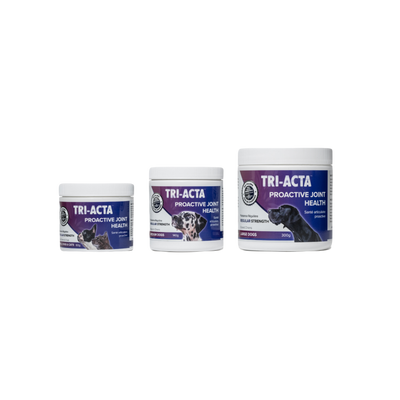
A proactive approach for developing and younger adult pets to maintain optimal joint health mobility, minimize inflammation and fend off age-related ailments.
TRI-ACTA for Pets
Understanding MSM
In the case of anti-inflammatory supplements for dogs, the most commonly used ingredient, MSM, is derived from natural sources. Here’s a breakdown of how the process of creating MSM for dogs works:
-
When phytoplankton (a super tiny sea creature) dies, they release a natural chemical called dimethylsulfide (DMS) as they decompose. DMS reacts to oxygen and sunlight, forming MSM and other sulphates. If left, MSM is absorbed into clouds and dispersed in rain.
-
Commercial MSM, the one used in supplements, is also naturally occurring. A catalytic reaction (sudden change) is used on a component called dimethylsulfoxide (DMSO), which is often a by-product of wood pulping. The knowledge that DMSO comes from wood pulp might turn some people off—but don’t worry, MSM created wood pulp DMSO is completely safe, medical grade, and natural.
But the question still remains, why don’t we just get MSM from phytoplankton? Well, as it turns out, phytoplankton are an essential creature in our ocean ecosystems. When you look at an aquatic food web, they are at the top—small fish eat them, which are then eaten by bigger fish, which are then eaten by things like sharks, whales, and more. So, suddenly culling these tiny critters in favour of making MSM would have devastating effects on our oceans that we don’t want.
Plus, it’s pretty much impossible to ensure that you’re getting the same concentration of MSM if you’re trying to harvest it through the phytoplankton death process described above. Think about it this way: you can grow two identical plants in a greenhouse under the exact same conditions, using the exact same soil, and somehow get two different results. But when you use a commercial process, you can measure and be sure that the ingredients are the same every single time.
Benefits of MSM for Dogs
-
Anti-inflammatory properties: MSM helps to reduce inflammation in dogs by inhibiting the production of certain inflammatory molecules and increasing antioxidant levels. This can be particularly beneficial for dogs suffering from arthritis, hip dysplasia, or other inflammatory conditions.
-
Pain relief: By reducing inflammation, MSM can also help alleviate pain associated with joint and muscle issues. This can improve a dog's mobility and overall quality of life, especially in older dogs or those with chronic conditions.
-
Improved joint health: MSM is often used in combination with other joint supplements like glucosamine and chondroitin, like in TRI-ACTA. Together, these compounds can help maintain healthy cartilage, support joint function, and slow the progression of degenerative joint diseases.
-
Support for healthy skin and coat: Sulfur, a key component of MSM, is essential for the production of collagen and keratin. These proteins are important for maintaining healthy skin, coat, and nails. Regular supplementation with MSM can contribute to a shinier coat and healthier skin in dogs.
-
Detoxification: MSM can aid in detoxifying the body by enhancing the activity of certain enzymes involved in the detoxification process. This can help remove harmful toxins and support overall health.
Benefits of Natural Anti-Inflammatories for Dogs
Natural anti-inflammatory supplements for dogs offer several benefits that can make them an appealing option for managing inflammation and pain in dogs. Here are some of the key advantages:
-
Fewer side effects: Natural remedies typically have fewer and milder side effects compared to synthetic drugs. This makes them safer for long-term use.
-
Overall health improvement: Many natural anti-inflammatories also provide additional health benefits. For example, omega-3 fatty acids from fish oil support skin, coat, and heart health, while turmeric has antioxidant properties.
-
Holistic approach: Natural treatments often take a holistic approach, supporting overall wellness and potentially addressing multiple health issues simultaneously.
-
Reduced risk of organ damage: Synthetic drugs, especially NSAIDs and steroids, can cause liver and kidney damage with prolonged use. Natural remedies are generally gentler on the organs.
-
Availability and cost: Natural supplements can be more accessible and often less expensive than prescription medications.
-
Improved quality of life: By reducing inflammation and pain with fewer side effects, natural anti-inflammatories can help improve a dog's mobility, comfort, and overall quality of life.
-
Suitable for long-term use: Many natural anti-inflammatories are safe for long-term use, making them a good option for managing chronic conditions like arthritis.
-
Environmental and ethical considerations: Natural remedies are often derived from sustainable sources and can be more environmentally friendly. Additionally, they are less likely to involve animal testing compared to some synthetic drugs.
Other Natural Anti-Inflammatories
There are other natural anti-inflammatories available on the market, but many of these are used in conjunction with the trifecta of joint supplement ingredients (MSM, Glucosamine, Chondroitin) to provide a bit of additional benefit. In some cases, products containing one or more of the natural ingredients listed below may claim that they will have similar benefits to proper joint supplements, but there is a myriad of scientific research supporting the effects of MSM, glucosamine, and chondroitin through repeated studies.
The big takeaway is that while the below might have some positive effect, it’s usually not enough by itself to make a significant difference.
|
Natural Anti-Inflammatory |
Benefits |
Usage |
|
Collagen |
natural anti-inflammatory for dogs skin that supports joint, skin, and coat health by promoting the repair and maintenance of connective tissues. |
Available in powder or liquid form, often mixed with food. |
|
Yucca |
A natural anti-inflammatory for dogs intestines that contains saponins that reduce inflammation and improve digestion. |
Available as a powder or liquid extract to mix with food (the raw form is poisonous to dogs, so it must be processed first). |
|
Vitamins E and C |
Vitamin E: Reduces inflammation and supports immune function. Vitamin C: Boosts immune system and has anti-inflammatory properties. |
Available as part of a balanced diet or in supplement form. |
|
Turmeric (Curcumin) |
Curcumin has strong anti-inflammatory and antioxidant properties. |
Given as a powder mixed with food or in supplement form, often combined with black pepper to enhance absorption. |
|
Fish Oil (Omega-3 Fatty Acids) |
Reduces inflammation, supports skin and coat health, and promotes cardiovascular health. |
Available in liquid or capsule form, added to the dog's regular diet. |
|
CBD Oil (Cannabidiol) |
Reduces pain and inflammation, helps with anxiety, and supports overall well-being. |
Administered as oil drops added to food or directly into the mouth. |
|
Boswellia Serrata |
Reduces joint pain and stiffness, improves mobility, and supports overall joint health. |
Available in powder or capsule form, mixed with food. |
|
Contains omega-3 fatty acids, glucosamine, and chondroitin, which support joint health and reduce inflammation. |
Available in powder or capsule form, mixed with food. |
|
|
Devil’s Claw |
Traditionally used for its anti-inflammatory and pain-relieving effects. |
Available in powder or capsule form, mixed with food. |
What Causes Inflammation in Dogs?

Inflammation in dogs can be triggered by a variety of factors, ranging from injuries and infections to chronic diseases and environmental irritants. Understanding the underlying causes of inflammation can help in managing and preventing it. Here are some common causes of inflammation in dogs:
1. Infections
-
Bacterial infections: Bacteria can invade various parts of the body, including the skin, ears, and internal organs, leading to inflammation.
-
Viral infections: Viruses can cause systemic inflammation as the immune system responds to fight off the infection.
-
Fungal infections: Fungal infections, particularly in the skin and respiratory system, can cause significant inflammation.
2. Injuries
-
Trauma: Physical injuries such as cuts, bruises, sprains, and fractures often result in localized inflammation as the body responds to repair the damage.
-
Surgery: Post-surgical inflammation is a common response to the tissue damage caused during the procedure.
3. Allergies
-
Environmental allergies: Allergens like pollen, dust mites, and mould can cause allergic reactions, leading to inflammation, particularly in the skin and respiratory system.
-
Food allergies: Certain foods can trigger allergic reactions in some dogs, resulting in gastrointestinal inflammation or skin issues.
-
Flea allergies: Flea bites can cause an allergic reaction known as flea allergy dermatitis, which is caused by the flea injecting antigens from their salivary glands when they feed. These antigens lead to severe itching and inflammation in dogs that are allergic to them.
4. Chronic Diseases
-
Arthritis: Osteoarthritis and other degenerative joint diseases cause chronic inflammation in the joints, leading to pain and reduced mobility.
-
Autoimmune diseases: Conditions like lupus and autoimmune hemolytic anemia cause the immune system to attack the body’s own tissues, leading to widespread inflammation.
-
Inflammatory Bowel Disease (IBD): This condition involves chronic inflammation of the gastrointestinal tract, causing digestive issues and discomfort.
5. Obesity and Poor Diet
-
Weight gain: Excess weight can put additional strain on a dog's joints, leading to chronic inflammation and conditions like arthritis.
-
Poor diet: Diets lacking essential nutrients, including water, protein, fats, carbohydrates, minerals, and vitamins, can lead to chronic low-grade inflammation, affecting the dog's overall health. AAFCO, The Association of American Feed Controls, provides great advice for selecting the right pet food for your dog.
7. Environmental Factors
-
Toxins and chemicals: Exposure to certain chemicals, pollutants, and toxins can cause inflammation as the body tries to neutralize and eliminate harmful substances.
-
Irritants: Contact with irritants like certain plants, household cleaners, and grooming products can lead to skin inflammation.
Anti-Inflammatory Foods for Dogs
Diet plays a meaningful role in supporting inflammatory balance. Certain whole foods contain naturally occurring compounds that may help modulate inflammation, support immune function, and protect joint tissues. While food alone is rarely a complete solution for chronic joint conditions, incorporating anti-inflammatory foods into your dog’s diet can complement a broader joint health strategy.
Below are several foods commonly associated with anti-inflammatory support in dogs:
|
Food |
Key Anti-Inflammatory Component |
Potential Benefit |
|
Sardines |
Omega-3 fatty acids (EPA & DHA) |
Help regulate inflammatory pathways and support joint comfort |
|
Turmeric (properly formulated) |
Curcumin |
Antioxidant support; may assist with inflammatory modulation |
|
Blueberries |
Polyphenols & antioxidants |
Help combat oxidative stress linked to chronic inflammation |
|
Collagen, glycine, amino acids |
Supports connective tissue and joint structure |
Sardines (Omega-3 Fatty Acids)
Sardines are a rich, natural source of omega-3 fatty acids, particularly EPA and DHA. These fatty acids are known to help regulate inflammatory signaling in your dog’s body. Adding small amounts of sardines (packed in water, no added salt) to your dog’s diet may provide mild anti-inflammatory support while also contributing to skin and coat health.
Turmeric (In Appropriate Formulations)
Turmeric contains curcumin, a compound studied for its antioxidant and anti-inflammatory properties. However, turmeric must be properly formulated for dogs to ensure safe dosing and absorption. It is not as simple as sprinkling kitchen turmeric onto food. Veterinary-formulated blends are preferred for accuracy and bioavailability.
Blueberries
Blueberries are high in antioxidants, which help reduce oxidative stress. Chronic inflammation and oxidative damage often occur together, particularly in degenerative joint disease. A few fresh blueberries can be a safe, low-calorie treat that supports overall cellular health.
Bone Broth
Bone broth provides collagen and amino acids that contribute to connective tissue integrity. While it does not directly suppress inflammation, it supports the structural components of joints. Choose low-sodium, dog-safe formulations that do not contain onion or garlic.
Why Food Alone May Not Reach Therapeutic Dosage
While these foods contain beneficial compounds, they are typically present in relatively small concentrations. For example, a dog would need to consume impractical amounts of certain whole foods to reach the therapeutic levels of glucosamine, chondroitin, or MSM that are often studied for joint support.
In cases of chronic inflammation—such as osteoarthritis, hip dysplasia, or degenerative joint disease—dietary additions alone may not be sufficient.
This is where joint supplementation becomes important. Comprehensive joint supplements like TRI-ACTA formulated with therapeutic levels of active ingredients (such as glucosamine sulfate, glucosamine HCl, chondroitin, and MSM), are designed to address both inflammation and cartilage integrity. Unlike food-based support, supplements are standardized for potency and consistency, helping ensure that your dog receives a meaningful dose.
Food can support. Supplements can deliver targeted levels. Ideally, both work together to support your dog’s health and well-being.
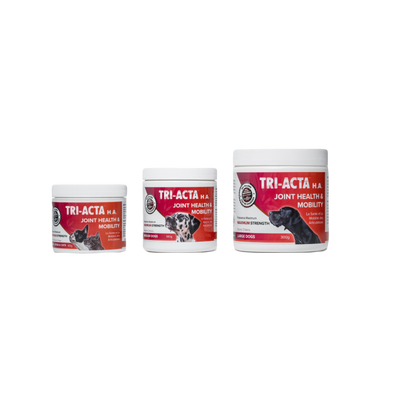
Our maximum strength formula is optimally designed to accelerate the formation of cartilage, minimize inflammation, expedite the healing process, and improve joint conditions.
TRI-ACTA H.A. for Pets
What Foods Should You Avoid for Dogs with Inflammation?
Just as certain foods may support inflammatory balance, others can contribute to increased inflammatory stress or worsen existing joint discomfort.
Dogs with inflammatory conditions may benefit from limiting or avoiding:
-
Foods high in saturated fat, salt, or sugar: Excess saturated fat can promote inflammatory signaling. High sodium may contribute to fluid retention and strain, while added sugars can disrupt metabolic balance.
-
Highly processed foods: Processed foods often contain preservatives, artificial additives, and low-quality fats that may contribute to systemic stress.
-
Foods with high grain or gluten content (when poorly tolerated): While grains are not inherently harmful for all dogs, some dogs with sensitivities may experience inflammatory responses when consuming certain grains or gluten-heavy formulations.
-
Dairy products: Many dogs are lactose intolerant, and dairy can contribute to digestive upset or inflammatory reactions in sensitive animals.
-
Any food that triggers allergies or sensitivities: Food allergies can drive chronic inflammatory responses. Common triggers include certain proteins (such as beef or chicken in some dogs), soy, wheat, or artificial additives. Identifying and eliminating these triggers can significantly reduce inflammatory burden.
Best Practices in Administering Natural Anti-Inflammatories for Dogs

Natural anti-inflammatories can be a helpful part of a long-term mobility plan—especially for dogs with mild stiffness, early arthritis, or chronic joint wear and tear. The key is administering them consistently and safely, with a process that supports accurate dosing, tolerance, and results tracking.
1. Follow Dosage by Weight
Start by choosing products that provide clear dosing guidance based on your dog’s body weight. This matters because “one scoop” or “one chew” can be appropriate for a 15 lb dog and completely inadequate for a 90 lb dog.
-
Weigh your dog (or use their most recent vet-recorded weight).
-
Read the full label for dosing instructions, including serving size and frequency.
-
Use the correct measuring tool (scoop, dropper, or scale if needed) rather than estimating.
-
Avoid stacking multiple anti-inflammatory products with overlapping ingredients (eg., multiple omega-3 sources) unless your veterinarian advises it—this helps prevent unintentional overdosing.
2. Introduce Gradually
Even natural ingredients can cause digestive upset if introduced too quickly. A gradual ramp-up helps your dog adjust and makes it easier to spot sensitivities.
-
Start at a partial dose (often ¼ to ½ of the full amount) for the first several days.
-
Increase slowly until you reach the full recommended serving size, assuming your dog tolerates it well.
-
Give with food when possible, especially for oils, powders, or botanicals, to reduce stomach irritation.
-
Watch for tolerance signals like loose stool, vomiting, gas, or reduced appetite. If these appear, reduce the dose and reintroduce more slowly.
3. Monitor Mobility Changes
Natural anti-inflammatories often work gradually. Tracking changes helps you determine whether the approach is actually improving comfort and function.
-
Pick 2–4 simple “mobility markers” to observe daily, such as:
-
Ability to rise after resting
-
Willingness to climb stairs or jump into the car
-
Limping frequency
-
Post-walk stiffness
-
Log observations for 2–4 weeks, especially if the issue is chronic.
-
Look for functional wins, not just mood changes—better movement, longer tolerance for walks, and less stiffness after rest are often the most meaningful indicators.
-
Adjust if needed: if you see no improvement after an appropriate trial period, it may be time to reassess the product, dose, or whether additional support (like a comprehensive joint supplement or veterinary guidance) is needed.
4. Combine With an Appropriate Diet
Supplements work best when they are not fighting against a diet that increases the inflammatory burden. Food can either support or undermine your results.
-
Prioritize a complete, balanced diet appropriate for your dog’s life stage and activity level.
-
Maintain a healthy weight—extra body weight increases joint load and can worsen inflammation-driven mobility issues.
-
Include supportive ingredients where appropriate, such as omega-3 sources (or vet-approved fish oil), and limit highly processed treats.
-
Avoid known triggers: if your dog has food sensitivities, eliminating those ingredients can reduce inflammation significantly.
-
Use joint supplements strategically: for chronic joint concerns, diet add-ons alone may not provide therapeutic levels of joint-support ingredients. A high-quality joint supplement like TRI-ACTA can complement natural anti-inflammatory support by targeting both inflammation and joint structure over time.
Formulations of Anti-Inflammatories for Dogs
Various formulations of anti-inflammatories are available, each with its advantages and challenges. Here, we will discuss different supplement formulations and highlight why powder formulations are often the best option.
|
Formulation Type |
Advantages |
Disadvantages |
|
Liquid Supplements |
|
|
|
Pills and Capsules |
|
|
|
Chewable Treats |
|
|
|
Powder Supplements |
|
|
Best Practices for Administering Powder Supplements
-
Mixing with food: Ensure the powder is thoroughly mixed with wet food or moistened dry food to prevent the dog from noticing it.
-
Correct dosage: Use the provided scoop or a precise measuring tool to ensure the correct dosage is administered.
-
Monitor for reactions: Observe the dog for any adverse reactions when starting a new supplement and consult with a veterinarian if any issues arise.
-
Consistency: Administer the supplement consistently, as directed by the veterinarian, to maintain its effectiveness.
Dog Pain Relief Anti-Inflammatory: Choosing the Right Approach
The safest dog pain anti-inflammatory strategy combines veterinary guidance, weight management, appropriate exercise, and targeted supplementation.
Inflammation is not a diagnosis—it is a symptom. Whether your dog is limping, stiff after rest, reluctant to jump, or slowing down on walks, the first step is understanding what is driving that inflammatory response. The right approach depends on the cause, severity, and long-term goals for your dog’s mobility.
Identify the Cause of Inflammation
Before choosing any dog anti-inflammatory option—prescription, OTC, or natural—it is essential to determine what is causing the inflammation.
Inflammation from a recent injury is different from inflammation caused by chronic cartilage degeneration. Acute inflammation often requires short-term management, while chronic joint inflammation requires a long-term structural support plan.
A veterinary evaluation helps confirm whether the issue is mechanical (joint wear), inflammatory (immune-driven), traumatic, or systemic.
2. Determine Severity
Once the cause is identified, the next step is assessing how severe the inflammation and pain are.
Ask:
-
Is your dog still weight-bearing on the limb?
-
Is stiffness mild and occasional, or daily and progressive?
-
Is pain interfering with sleep, appetite, or normal activity?
-
Has mobility declined gradually or suddenly?
Mild to moderate stiffness may respond well to weight management, structured exercise, and natural anti-inflammatory support.
Moderate to severe pain, especially if acute or traumatic, may require prescription anti-inflammatories under veterinary supervision to quickly control inflammation and prevent further damage.
Severity guides intervention intensity.
3. Choose Prescription, OTC Dog Anti-Inflammatory, or Natural Alternative
Once cause and severity are clear, you can evaluate treatment options.
Prescription Anti-Inflammatories
Veterinary-prescribed NSAIDs are often used for moderate to severe inflammation. These medications are designed to block specific enzymes involved in inflammatory pathways. They can provide effective short-term relief but may require monitoring during long-term use.
Over-the-Counter (OTC) Dog Anti-Inflammatory Products
It is important to note that many human OTC anti-inflammatories (such as ibuprofen or naproxen) are not safe for dogs. Only veterinary-approved products should be used.
OTC pet-specific options often include omega-3 fatty acids, MSM, or botanical blends. These typically support inflammatory balance but do not suppress inflammation as aggressively as prescription drugs.
Natural Alternatives
Natural anti-inflammatory strategies aim to modulate inflammatory pathways while supporting tissue health. These may include:
-
Omega-3 fatty acids
-
MSM
-
Turmeric (properly formulated)
-
CBD (where legally available)
-
Glucosamine and chondroitin
Natural options are often best suited for long-term management rather than emergency relief.
Support Joints Proactively
Inflammation in dogs with mobility concerns is often secondary to joint degeneration. In these cases, simply reducing inflammation is not enough—the underlying cartilage breakdown must also be addressed.
This is where proactive joint support becomes essential.
Comprehensive joint supplements that combine glucosamine (both sulfate and HCl forms), chondroitin, and MSM are designed to:
-
Support cartilage regeneration
-
Help inhibit cartilage breakdown
-
Reduce inflammatory stress within the joint
-
Improve synovial fluid function
TRI-ACTA is formulated with 100% active ingredients and includes two forms of glucosamine to maximize both sulfur delivery and bioavailability. This multi-angle approach addresses both the symptoms (inflammation and discomfort) and the structural root cause (cartilage degeneration).
For many dogs, especially those with early arthritis or breed-related joint risk, starting joint supplementation proactively—before severe inflammation develops—can help slow progression and preserve mobility.
Final Thoughts
Choosing the right anti-inflammatory treatment for your dog is crucial for managing their pain and improving their quality of life. While NSAIDs and other synthetic medications are effective, they come with potential risks and side effects, particularly with long-term use. This has led many pet owners and veterinarians to explore natural alternatives.
Natural anti-inflammatories such as MSM, especially when combined with glucosamine and chondroitin, offer a powerful and safer option for supporting joint health and reducing inflammation. These natural supplements can help alleviate pain, improve mobility, and support overall wellness without the severe side effects associated with synthetic drugs.
In addition to MSM, other natural options like turmeric, fish oil, CBD oil, and green-lipped mussel can complement your dog’s health regimen, providing holistic benefits that extend beyond inflammation control. By understanding the various causes of inflammation and choosing the best natural supplements, you can help ensure your dog remains active, healthy, and happy.
When administering an all-natural anti-inflammatory for dogs, powders are often the best choice due to their versatility, ease of administration, and precise dosing capabilities. Always consult with a veterinarian to tailor the best treatment plan for your dog's specific needs, ensuring the chosen supplements are safe and effective. By combining the right natural remedies with proper veterinary care, you can help your furry friend lead a more comfortable and pain-free life.
Start your dog’s journey to a pain-free life with TRI-ACTA. Purchase TRI-ACTA online or learn where to buy at a store near you.
Our maximum strength formula is optimally designed to accelerate the formation of cartilage, minimize inflammation, expedite the healing process, and improve joint conditions.
TRI-ACTA H.A. for Pets
Share this post:



Proactive & Therapeutic Joint Supplements

When given daily, Integricare joint supplements recover bone and joint injuries faster and help prevent mobility injuries from happening in the first place.