

Table Of Contents
While often portrayed as aloof and independent, cats are deeply emotional creatures that thrive on routine, social bonds, and physical activity.
Because they are masters at masking discomfort, their emotional struggles often go unnoticed until they manifest as significant behavioural changes.
Beyond revisiting the basics of how to take care of a cat, understanding the nuances of feline depression is the first step in restoring your companion’s quality of life.
In this guide, we will explore the signs of feline depression, the common triggers, and the effective strategies for recognizing and managing the condition, from environmental enrichment to joint support, so you can help your cat find their spark again.
Key Takeaways
-
Complex emotions: Cats can experience clinical depression caused by grief, environmental shifts, or health issues.
-
The owner connection: Cats are highly empathetic and may mirror the depressive moods of their human caregivers.
-
Identifying anhedonia: A primary sign of depression is a total lack of interest in previously enjoyed activities, like hunting or playing.
-
The pain connection: Many depressed cat symptoms are actually signs of chronic pain or mobility issues.
-
Holistic recovery: Recovery involves a mix of environmental enrichment, veterinary guidance, and targeted supplements.
Can a Cat Get Depressed?
While cats are often portrayed as independent or emotionally distant, modern veterinary research and clinical observation show that cats are highly social, perceptive, and emotionally complex animals. Just like dogs—and people—cats can experience changes in mood and behaviour that align with what veterinarians describe as feline depression.
Depression in cats is not a character flaw or a sign of stubbornness. It is typically a response to stress, disruption, or underlying discomfort. Cats thrive on routine, environmental stability, and a sense of safety. When those elements are disrupted, their emotional well-being can suffer.
Is My Cat Depressed? How to Tell

Detecting depression in cats requires a deep understanding of their baseline personality. Because cats are evolutionarily hardwired to hide vulnerability, their cries for help are often quiet, subtle shifts in their daily routine.
If your cat seems depressed, it may be time to intervene.
Quick Comparison: Signs of a Depressed Cat vs. Normal Cat Behaviour
|
Behaviour Area |
Typical / Healthy |
Possible Depression Sign |
|
Social Interaction |
Greets you at the door; seeks occasional attention. |
Hiding for hours; avoiding family or previously loved spots. |
|
Play & Energy |
Has daily zoomies; engages with toys or hunts. |
Anhedonia: Total lack of interest in toys or movement. |
|
Daily Routine |
Follows a predictable nap/eat/groom cycle. |
Excessive lethargy; sleeping through meal or play times. |
|
Physical Comfort |
Jumps and climbs with ease and fluid motion. |
Hesitation before jumping; refusing to use stairs or cat trees. |
|
Communication |
Uses normal chirps, meows, or silence for their breed. |
New, mournful yowling or a chatty cat going suddenly silent. |
Specific Behavioural Signs of a Depressed Cat
-
Hiding and general withdrawal: While many cats enjoy a safe spot for a midday nap, a depressed cat will take isolation to the extreme. You may find them tucked away in dark corners, under furniture, or in the back of closets for hours or even days at a time. This withdrawal is a defense mechanism. When a cat feels emotionally or physically “low,” they instinctively hide to avoid potential threats.
-
Loss of interest in activities: In clinical terms, this is known as anhedonia, the inability to experience pleasure from activities that were once enjoyable. If your cat previously sprinted across the room at the sound of a feather wand or the crinkle of a treat bag but now responds with a blank stare or total indifference, they are likely experiencing an emotional slump.
-
Lethargy: Cats are champion sleepers, but depressive lethargy is different from a normal nap cycle. A depressed cat will appear sluggish when they are awake. They may skip their usual zoomies or morning patrols of the house, preferring to remain curled up and inactive.
-
Changes in vocalization: A cat’s voice is a direct window into their mood, and depression usually pushes vocalization two extremes: You may hear low-pitched, frequent meowing or yowling that sounds distressed, particularly at night. If you have a naturally chatty breed (like a Siamese) and they suddenly stop communicating, it is a significant red flag that they have withdrawn into themselves.
-
Altered affection: Depression often causes a personality flip regarding how a cat interacts with their humans: A normally cuddly cat may suddenly shrink away from touch, struggle when picked up, or move to a different room when you sit near them. Conversely, some cats become velcro cats, following their owners incessantly to seek reassurance amid anxiety or a low mood.
-
Aggression: When a cat is in a state of emotional distress or underlying physical pain, their "fuse" becomes much shorter. A depressed cat may hiss, growl, or swat at family members or other pets with very little provocation. This isn’t your cat being mean. It’s a sign of a stressed animal trying to create space because they feel overwhelmed.
Physical & Grooming Changes
While behavioural shifts are often the first sign of a mood issue, depression in cats frequently manifests through physical deterioration. Because cats are fastidious animals, changes in their appearance and basic survival habits are significant indicators that they have lost their zest for life or are in physical distress.
Significant Change in Appetite
A cat’s interest in food is a primary barometer for their health. A depressed cat often experiences a marked decrease in appetite. They may sniff their favorite wet food and walk away, or simply stop visiting the food bowl altogether.
Unlike humans, cats cannot go long without eating. If a cat stops eating for even a couple of days, they are at risk for certain health problems, such as hepatic lipidosis (fatty liver disease), making it crucial to address appetite loss immediately.
It is important to note that appetite changes are not always emotional in origin. Digestive discomfort can suppress interest in food, which makes understanding the relationship between mood and cat gut health an important step in identifying the root cause.
Poor or Excessive Grooming
Cats typically spend up to 50% of their waking hours grooming. When this stops, it is a major red flag.
A depressed cat may stop cleaning themselves, resulting in a coat that looks greasy, "spiky," or matted. You may notice an accumulation of dandruff or a dullness to their fur.
Conversely, some cats use grooming as a displacement behaviour to cope with stress or anxiety. They may obsessively lick a specific area (like the belly or legs) until the fur is gone and the skin is raw or sore.
Grooming changes can also point to oral discomfort, as dental pain often reduces a cat’s tolerance for self-care, making cat dental care an important factor to evaluate when mood and hygiene shift together.
TellTale Body Language
A cat's physical posture can communicate their internal state more clearly than any vocalization. A depressed or stressed cat often tries to appear smaller or more protective of their body.
Veterinary professionals use the feline grimace scale to look for subtle facial cues that indicate distress.
While primarily designed by researchers to detect pain, it is highly effective in determining a cat’s general mood. Because chronic pain is a leading cause of feline depression, using this scale can help you decide if your cat needs medical intervention.
Feline Grimace Scale Assessment

|
Feature |
Score 0 (Relaxed/Happy) |
Score 1 (Mild/Moderate Distress) |
Score 2 (Severe Distress/Pain) |
|
Ear Position |
Ears are facing forward and upright. |
Ears are slightly pulled apart or rotated outward. |
Ears are flattened, rotated back, or pinned to the head. |
|
Orbital (Eye) Tightening |
Eyes are comfortably open and round. |
Eyes appear heavy-lidded or partially squinted. |
Eyes are squinted shut or squeezed very tightly. |
|
Muzzle Tension |
Muzzle is relaxed and round. |
Muzzle shows slight tension; may look flatter. |
Muzzle is tense, bunched, or appears "drawn" and elliptical. |
|
Whiskers |
Whiskers are loose, curved, and spread out. |
Whiskers are slightly tense or pulled together. |
Whiskers are bunched together and directed straight forward. |
|
Head Position |
Head is held high, well above the shoulder line. |
Head is aligned with the shoulders or slightly tilted. |
Head is held low, tucked toward the chest, or hunched. |
If you notice these signs, the first step is to rule out physical causes. Chronic conditions like joint pain can mirror depression perfectly because the cat stops moving to avoid pain.
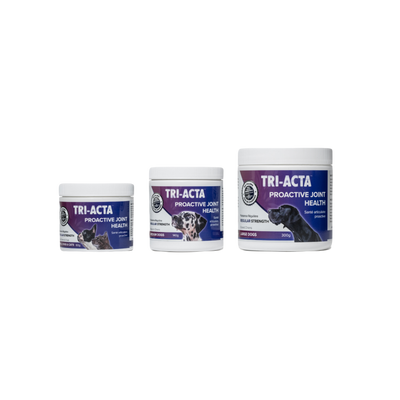
Giving your cat a daily joint supplement is a great way to protect their joints as they age or to support them if they’re living with a chronic condition like arthritis. TRI-ACTA contains 100% natural ingredients, including two types of glucosamine, chondroitin (these ingredients work together to protect cartilage and support its regeneration and repair), and Methylsulfonylmethane (MSM, a natural anti-inflammatory). Our extra-strength TRI-ACTA H.A. includes all these ingredients, along with hyaluronic acid, which further lubricates the joints, allowing for easier movement. With consistent daily doses, you’ll quickly notice that your cat is moving more easily and with less or no pain.
A proactive approach for developing and younger adult pets to maintain optimal joint health mobility, minimize inflammation and fend off age-related ailments.
TRI-ACTA for Pets
Common Causes of Cat Depression
If you are searching online for how to tell if your cat is depressed, the answer usually lies in a recent disruption to their routine, health, or social structure.
It is impossible to help a depressed cat without first identifying the "why" behind their withdrawal. Because cats are evolutionarily designed to be both predators and prey, they are hyper-aware of their surroundings.
Any shift in their safe zone or their physical capability can trigger a downward emotional spiral.
Environmental Changes
Cats are creatures of habit that rely on a predictable environment to feel secure. When their map of the world (i.e., your home) is disrupted, a depressed cat often emerges as a result of sensory overload or a sense of displacement.
-
Moving house: A new layout, unfamiliar smells, and the loss of established scent markers can cause a cat to shut down and hide for weeks.
-
Household additions: The arrival of a new baby, a new roommate, or a boisterous new pet can make a resident cat feel like their territory is no longer their own.
-
Loss of a companion: Cats form profound emotional bonds. The grieving process following the death of a feline housemate, a canine friend, or a beloved human is one of the most common triggers for clinical depression in cats.
Boredom or General Lack of Stimulation
While the internet is full of the depressed cat meme showing a cat staring longingly out a window, the reality of a bored cat is far from funny.
Without an outlet for their natural hunting instincts, a cat’s world becomes too small, leading to a state of learned helplessness.
-
Social neglect: Cats require consistent engagement. If an owner is too busy to play or interact, the cat may eventually stop trying to initiate contact.
-
Sparse environment: A home without vertical territory (like cat trees or wall shelves) or a lack of variety in toys prevents a cat from exercising their brain and body, leading to a flat, depressed mood.
-
Lack of Cognitive Challenge: Cats are intelligent problem-solvers. Without food puzzles, training, or brain games to mimic the mental effort of a hunt, their cognitive abilities begin to stagnate, contributing to a flat, depressed mood.
-
Monotonous routine: While cats love stability, a total lack of positive stress or new sensory experiences (like new smells or safe outdoor views) can lead to mental atrophy. Without occasional novelty, their daily life becomes a repetitive loop that lacks excitement.
-
Visual under-stimulation: Indoor cats often rely on "cat TV”: windows with views of birds, squirrels, or moving leaves. If a cat is kept in a space with no window access or a static view, they lose a primary source of mental entertainment, which can lead to profound lethargy.
Underlying Medical Conditions
This is the most critical factor to consider when investigating signs that your cat is depressed. Often, what looks like a sad mood is actually a cat's way of coping with physical suffering. If a cat is sick, nauseated, or in chronic pain, their survival instinct is to withdraw, stop eating, and hide to avoid being targeted by predators.
One of the most frequently overlooked medical triggers is joint pain and mobility issues. As cats age, or even due to genetic predispositions, their joints can become inflamed and painful.
If a cat can no longer jump onto their favorite sunlit perch or run to the kitchen for treats without discomfort, they lose the activities that define their happiness. This physical restriction quickly manifests as a mental decline.
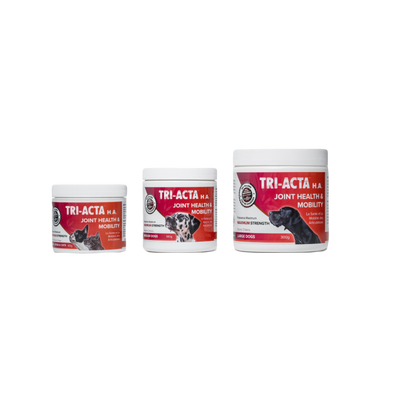
Giving your cat a daily joint supplement like TRI-ACTA is a great preventative measure for joint pain (if your cat already experiences joint pain, TRI-ACTA H.A.—with hyaluronic acid—is a more potent, practical choice). TRI-ACTA products contain 100% natural ingredients (Glucosamine and Chondroitin Sulfate for general joint and cartilage health, and Methylsulfonylmethane (MSM) for anti-inflammatory support) that already occur in your cat’s body, but the additional support helps keep your cat’s joints strong as they age and can even help prevent conditions like arthritis from occurring with consistent, daily use.
Our maximum strength formula is optimally designed to accelerate the formation of cartilage, minimize inflammation, expedite the healing process, and improve joint conditions.
TRI-ACTA H.A. for Pets
How to Cheer Up a Depressed Cat

Once you have identified that you are dealing with a depressed cat, the next step is taking proactive measures to reignite their interest in life.
Recovery often requires a multi-pronged approach that addresses their environment, their social needs, and their physical health.
Spend Time With Them
This is often the starting point for owners asking, “What to do if your cat is depressed”, because consistent, low-pressure interaction helps re-establish safety, routine, and engagement.
Cats are natural-born hunters. When a cat becomes depressed, they often lose touch with their predatory instincts.
-
Engage the prey drive: Dedicate at least 15 minutes twice a day to interactive play using wand toys or fishing pole-style toys. This mimics the hunt-catch-kill cycle, which releases dopamine in the brain and can help pull a depressed cat out of a slump.
-
Provide a calm presence: Even if your cat isn't ready to play, simply sitting in the same room and speaking softly to them can help rebuild their sense of security.
-
Use gentle grooming and touch: If your cat is open to it, a gentle brushing session can mimic the social grooming (referred to as allogrooming) that cats do in the wild. This releases oxytocin, lowers stress, and helps you monitor for any physical changes or hidden pain points.
Introduce New Toys and Play Structures
While cats aren’t social hunters, they do rely on social connections for emotional regulation, security and stress reduction, social grooming, and play. Re-establishing a bond is a vital step in helping a depressed cat feel safe and valued again.
-
Play structures: A new cat tree or wall-mounted shelves can change a cat’s entire perspective. Vertical space allows them to survey their "kingdom" from a position of safety.
-
Environmental novelty: Even something as simple as a cardboard box or a paper bag can provide new textures and hiding spots to explore.
-
Sensory cat-scaping: Bring a bit of the outdoors in by introducing cat-safe plants like catnip, silvervine, or cat grass. These provide olfactory stimulation that can wake up a cat’s senses and encourage natural sniffing and rubbing behaviours.
Offer New Treats and/or Foods
The way to a cat's heart (and mind) is often through their stomach. Since a loss of appetite is a common sign of depression, revitalizing mealtime can be a powerful way to re-engage your cat with their daily routine.
-
Novel flavors: Introducing a new protein or a high-value treat can stimulate a depressed cat's dulled senses.
-
Puzzle feeders: Instead of placing food in a bowl, use a puzzle toy. This encourages your cat to problem-solve and work for their reward, providing much-needed cognitive stimulation.
-
Supplement-boosted treats: One fun way to give your cat their daily dose of a supplement (like TRI-ACTA) is to mix it into a lickable treat. This ensures they get the support they need while associating the supplement with a rewarding, delicious experience.
Use Pheromones
Sometimes, a depressed cat feels that their world is no longer a safe or familiar place. Synthetic cat pheromones, available as plug-in diffusers, sprays, or wipes, are a scientifically backed way to provide invisible comfort.
These products mimic the natural facial pheromones cats deposit when they rub their cheeks against furniture or your legs. To a cat, these scents serve as “all-clear" signals, marking the territory as safe and familiar.
These odorless signals interact directly with the cat’s nervous system to significantly lower cortisol (stress hormone) levels. By creating a soothing scent blanket over your home, you can help a withdrawn cat feel secure enough to come out from under the bed and re-engage with the family.
For best results, place diffusers in the rooms where your cat spends the most time hiding to create a sanctuary that encourages them to relax their tense body language.
Consider Adopting Another Companion Pet
If you recently lost another pet in your household, that could be what’s causing your cat’s depression. Without their companion, they may be suffering from loneliness.
Introducing a new pet can help, but it must be done carefully. A slow, scent-based introduction is key to ensuring the new arrival reduces depression rather than adding to the cat's stress.
Seek Veterinary Assistance
If environmental changes aren't working, it is time to consult a professional. A veterinarian can rule out hidden illnesses and may suggest:
-
Behavioural therapy: Tailored strategies to desensitize your cat to stressors. This can include things like providing vertical spaces (cat trees, high perches, shelves) where your cat can survey their environment from an elevated position, hiding spots like boxes or tunnels, and making sure that there’s enough resources available if you have multiple cats (the typical rule is +1 food and water dish and litter box for every cat in the household).
-
Short-term medication: In severe cases, anti-anxiety medication can help level out a cat’s brain chemistry so that behavioural training can become effective.
-
Comprehensive blood work: A vet can perform a full senior panel or blood test to ensure that the lethargy isn't caused by an internal imbalance that requires a specific medical diet or treatment.
How Supplements Can Help with a Depressed Cat
When dealing with a depressed cat, sometimes environmental changes and extra playtime aren't enough to make a difference.
In these cases, supporting your cat from the inside out with targeted supplementation can be the missing link in their recovery. Supplements can address the chemical imbalances in the brain and the physical limitations in the body that keep a cat in a withdrawn state.
Just like in humans, a cat’s mood is governed by neurotransmitters. If your cat has been through a major trauma or chronic stress, their levels of "feel-good" hormones may be depleted:
-
L-Tryptophan: This essential amino acid is a precursor to serotonin, the hormone responsible for stabilizing mood and producing feelings of well-being and calm.
-
L-Theanine: This amino acid helps the brain release dopamine and GABA, which reduces anxiety and helps a stressed cat feel more relaxed in their environment.
Both of these are found in proteins like chicken and turkey, which is in most cat food, but there are also specialized cat foods (usually marketed as “calming diets”) which make a point to specifically contain these ingredients.
Chronic Pain and Cat Depression
Perhaps the most overlooked aspect of feline mental health is the link between chronic pain and depression. If a cat is suffering from stiff joints or age-related mobility issues, they will eventually stop engaging with their world. This lack of activity leads to a shutdown state that looks identical to depression.
If your cat has painful joints, a high-quality joint supplement like TRI-ACTA or TRI-ACTA H.A. does more than just mask the symptoms—it treats the underlying condition.
-
Breaking the cycle of lethargy: When a cat’s joints hurt, they stop jumping, climbing, and exploring. This lack of stimulation makes them depressed. TRI-ACTA uses a powerful combination of Glucosamine, Chondroitin, and MSM to reduce inflammation and repair cartilage.
-
Restoring joy through movement: By alleviating the physical pain of movement, TRI-ACTA allows your cat to return to the behaviours that make them happy. When they can finally jump onto their favorite sunlit perch or chase a toy without a subsequent flare-up of pain, their mood naturally lifts.
-
Offering prevention and maintenance: Even if your cat isn't showing severe signs of depression, starting a regimen of joint supplements early can prevent the mobility-related depression that often hits senior felines.
Conclusion: A Holistic Approach to Feline Happiness
Helping a depressed cat requires looking at the whole animal. While pheromones and new toys provide the external spark, supplements provide the internal support needed for a full recovery.
By balancing brain chemistry and ensuring their body is pain-free with a supplement like TRI-ACTA, you are giving your cat the best possible chance to return to their vibrant, active self.
Ready to help your cat find their bounce again? Don't let joint pain be the reason your cat loses their spark. Discover how TRI-ACTA can restore your cat’s mobility and mood today.
Purchase TRI-ACTA online or learn where to buy at a store near you.
A proactive approach for developing and younger adult pets to maintain optimal joint health mobility, minimize inflammation and fend off age-related ailments.
TRI-ACTA for Pets
Share this post:



Proactive & Therapeutic Joint Supplements

When given daily, Integricare joint supplements recover bone and joint injuries faster and help prevent mobility injuries from happening in the first place.