

Table Of Contents
Most cat owners know the risks of having an overweight feline—conditions like diabetes, heart disease, and joint issues are often discussed at length. But what’s talked about far less is the danger of your cat being underweight, which can be just as harmful to their overall health and well-being.
Unlike dogs, which can vary drastically in size, most domestic cats tend to stay within a relatively small weight range. On average, a healthy adult cat weighs around 10 pounds (4–4.5 kg), though larger breeds like Maine Coons or Savannah Cats may naturally reach between 10–18 pounds (4–8 kg). On the other end of the spectrum, smaller cats can weigh as little as 5 pounds (2.2 kg) and still be perfectly healthy.
Because of this variation, there isn’t one universal number that defines a “healthy” cat weight. That can make it difficult for pet parents to know whether their cat is at a healthy size or if they’re too thin. Fortunately, there are several physical signs you can look for, beyond the number on the scale, to help determine if your cat may be underweight.

Thankfully, there are physical signs that you can use, besides the scale, to determine whether your cat is underweight or not.
What Is Underweight for a Cat?
Given that a weight measurement alone doesn’t tell the entire story with regard to what is underweight for a cat, there is another method that you can use to determine whether you have an underweight cat or not. This method is called the body condition score (BCS).

While humans typically use the body mass index (BMI) as a general measure of ideal body weight, the body condition score is used for animals, including cats, dogs, and horses, to determine whether they are underweight or overweight. The BCS is a quantitative measure (provides a number), but it is also a subjective way to evaluate the amount of body fat your kitty has.
The BCS also considers that there is natural variation in cats depending on their breed and sex, so it focuses entirely on how your pet’s body looks and feels rather than its size or stature. There are two types of body condition scoring systems (either a 1–9 scoring system or a 1–5 scoring system), and it seems to be a personal preference of veterinarians for which one to use. Both are legitimate, however, and can be used to determine what is underweight for a cat.
The main difference between the 1–5 BCS scale and the 1–9 BCS scale is the detail of the scoring system. As you can imagine, the 1–9 scoring system has a bit more detail in the scores, as indicated in the table below:
|
BCS 5-Point Scale |
BCS 9-Point Scale |
|
|
While a visual and a table are helpful, there are more details regarding how you can tell the BCS of your cat:
-
If you have a very underweight cat, its ribs can be easily seen with minimal fat cover. With very underweight cats, you will also easily be able to see and feel their lumbar vertebrae (spine) and pelvic bones.
-
Underweight cats will still have obvious lumbar vertebrae that you can easily see or feel, but you may only be able to see their ribs if they are a short-haired kitty. In general, ribs will be easy to feel, and there will be an obvious waist behind their ribs. On their abdomen (closer to their back legs), there will be minimal fat pads.
-
Cats at an ideal weight will appear well-proportioned. You will likely still be able to feel their ribs, but they won’t be as prominent because they will have a slight fat covering. You should still be able to see your kitty’s waist, but it won’t be as pronounced in as it will naturally flow to their backside, where abdominal fat pads will be present, but minimal.
-
Overweight cats have a slight excess of fat covering their rib cage. Their waist and abdominal fat pads will be present, but not very obvious. This means that looking at an overweight kitty, you will likely not be able to immediately tell where their waist is without touching them.
-
Obese cats will have ribs that can’t be easily felt because there is too much fat covering them. Because of excess fat covering, their waist will also be absent, and they will have a prominent abdominal fat pad. There will also be fat deposits around their lower back area.
-
Severely obese cats have heavy fat cover, and identifying the ribs will be difficult. Their waist will also be nonexistent, and they’ll have heavy fat deposits on their abdomen, lower back, face, and limbs.
Potential Causes of a Severely Underweight Cat

Sometimes, if your cat is already small, even losing one or two pounds is cause for concern. For example, if your cat only weighs 6 lbs (about 3 kg) and loses just over half a pound (total weight 5.4 lbs, or 2.7kgs), that’s a 10% loss of body weight, which is significant. It’s less of a problem if your cat is heavier, but ideally, you want to reduce any weight fluctuations as much as possible.
If you currently have an underweight cat, there are a variety of reasons why your cat may have seemingly suddenly lost weight, aside from just not consuming enough food.
Medical Conditions
Some medical conditions can cause an underweight cat, either due to a lack of food consumption or because of how their body processes food as a result of illness.
1. Hyperthyroidism
Hyperthyroidism in cats is similar to humans—the thyroid gland overproduces thyroid hormones, which leads to an increased heart rate, higher blood pressure, and negative effects on all of your kitty’s organs, especially their kidneys, liver, and heart. In cats, hyperthyroidism can be tricky to spot because they are losing weight despite the fact that their appetite is fine.
Other common signs that your kitty might have hyperthyroidism include:
-
Vomiting and diarrhea
-
Drinking and urinating more than usual
-
Increased grooming, but their coat appears unkempt anyway
-
Hyperactivity
-
Increased meowing
To diagnose hyperthyroidism, your veterinarian will perform a blood test to check your kitty’s thyroid hormone levels. While in the past, there wasn’t a treatment for hyperthyroidism, there is now surgery and radioiodine options available, as well as an FDA and Health Canada-approved medication to control the condition—methimazole. This medication is typically given to your cat in liquid or pill form. There is also an ointment version that can be applied to the inside of your cat’s ears, as well as a hyperthyroidism food; however, these methods are often considered less effective compared to liquid or pill medication.
3. Kidney Disease
Weight loss, increased thirst, and urination are common symptoms of renal (kidney) disease in cats. When kidney disease has progressed to a severe level, your cat will also become extremely lethargic due to the organ’s inability to remove the by-products of protein metabolism and certain minerals like phosphorus from the blood. Instead, these by-products build up in your kitty’s bloodstream, causing them to feel weak and lethargic.
Other common signs that your cat may have kidney disease include:
-
Nausea and vomiting
-
Poor appetite (often due to nausea)
-
Anemia (when the body does not have enough healthy red blood cells)
-
General signs of weakness (incoordination, pale gums, etc.)
To diagnose kidney disease, your vet must perform a blood test to check the levels of creatinine and BUN (nitrogen levels) in your cat’s blood. High levels of these proteins are indicators of kidney disease. Your veterinarian may also perform a urine test to assess the kidneys’ ability to concentrate urine and detect possible infections, blood, and protein loss.
Various treatments may be used for feline kidney disease, such as intravenous fluids to correct dehydration, supplements, and medications. A carefully managed diet, combined with plenty of fresh water, is also essential.
4. Diabetes
When a cat has diabetes, it means that the body cannot properly produce or respond to insulin, a hormone that controls the levels of glucose in the blood. There are three main forms of diabetes in cats:
|
Diabetes Type |
Description |
|
Type 1 |
Near destruction of the cells that produce insulin results in a high concentration of glucose levels in the blood. Type 1 diabetes is quite rare in cats. |
|
Type 2 |
Some insulin-producing cells are present, but the amount of insulin produced is insufficient to sustain healthy levels of blood glucose. Type 2 can also describe a delayed response to high blood glucose levels in your cat’s body or that the tissues in your cat’s body are insulin-resistant. Obesity is a significant factor in developing Type 2, and given the high number of obese cats, Type 2 is the most common form of feline diabetes. |
|
Type 3 |
Insulin resistance is caused by other hormones in your cat’s body, sometimes due to pregnancy or hormone-secreting tumours. |
The typical signs of diabetes in cats, regardless of the type, usually include:
-
Excess thirst
-
Excess urination
-
Increased appetite and weight loss (your cat’s body will break down fats and proteins in an effort to feed glucose-starved cells, resulting in weight loss despite eating more)
To diagnose diabetes in your cat, your vet will perform blood and urine tests. Because the kidneys do not filter glucose out of the blood and into the urine unless an excessive glucose level is present in the blood, the urine of a diabetes-afflicted cat will have glucose in it. To confirm the diagnosis, your vet may also perform a serum fructosamine test, which measures the average blood glucose levels over a week to two weeks.
Treatment of the condition usually involves regular insulin injections.
2. Gastrointestinal Blockages or Disorders
When your cat’s digestive tract is blocked, it affects the passage of fluid and food and can damage digestive tissues. As you can imagine, an obstruction in the digestive system can be a serious medical condition for your cat.
Gastrointestinal blockage in cats can be caused by a number of issues, such as tumours, foreign objects, polyps (a small clump of cells that form on the lining of the colon), and stomach tissue overgrowth. The obstruction can be partial or complete.
Cats are notorious for ingesting small objects, such as string and fabric. Foreign objects can cause intussusception (a segment folds into another segment—like folding a telescope) and incarceration (a section of the intestine becomes trapped or blocked—like with a hernia). Long pieces of string, yarn, or fabric may become attached at the base of the tongue and travel into the intestines, resulting in intestinal perforation (a cut in the intestinal wall) due to the sawing movement of normal intestinal function.
Signs of gastric or small-intestinal obstruction often include:
-
Vomiting
-
Loss of appetite
-
Lethargy
-
Abdominal pain or swelling
-
Fever
-
Dehydration
-
Shock
To diagnose a gastrointestinal blockage, your vet will perform a physical exam to determine if they can feel enlarged organs, thickened bowel loops, and gas. They may also perform X-rays to detect the problem and use ultrasonography or an endoscope to determine the exact location of the problem.
4. Cancer and Chronic Illnesses
Cancer and other long-term conditions can also lead to weight loss in cats, either due to decreased appetite or the body’s increased energy demands. Some cancers directly affect the gastrointestinal system, liver, or pancreas (organs responsible for digesting and absorbing nutrients), while others create inflammation that interferes with normal metabolism.
Common signs that your cat may have cancer or a chronic illness include:
-
Noticeable weight loss despite normal eating habits
-
Persistent vomiting or diarrhea
-
Loss of appetite or sudden disinterest in food
-
Lethargy or hiding more often
-
Lumps or swelling under the skin
-
Difficulty breathing or coughing
Because these signs can indicate a myriad of conditions, diagnosis typically requires a combination of blood tests, X-rays, and ultrasounds, as well as, in some cases, a biopsy to determine the exact cause.
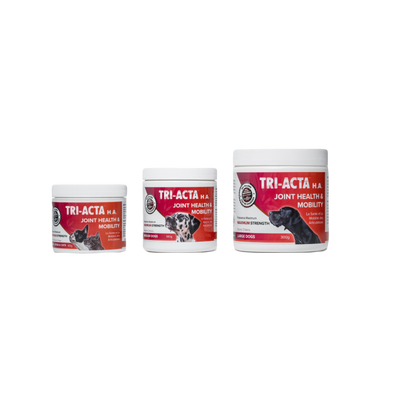
Treatment depends on the type and stage of illness but may include surgery, chemotherapy, or long-term medication to control symptoms. Nutritional support is essential, as cats with chronic disease often require calorie-dense diets and supplements to maintain muscle mass. Your vet may also recommend an anti-inflammatory supplement like TRI-ACTA H.A., which helps manage pain, reduce stiffness, and support overall mobility, especially in older cats with both arthritis and systemic illness. Our maximum strength formula is optimally designed to accelerate the formation of cartilage, minimize inflammation, expedite the healing process, and improve joint conditions.
TRI-ACTA H.A. for Pets
5. Dental Disease Making Eating Painful
One of the most common and often overlooked reasons cats lose weight is dental disease. It’s estimated that as many as 70% of cats have some form of dental issue. Conditions like gingivitis, periodontal disease, broken teeth, and oral ulcers can make chewing extremely painful. As a result, your cat may stop eating dry food or begin swallowing kibble whole to avoid discomfort, leading to a gradual decrease in calorie intake and subsequent weight loss.
Signs of dental disease in cats include:
-
Drooling or pawing at the mouth
-
Bad breath
-
Difficulty chewing or dropping food
-
Bleeding or inflamed gums
-
Preference for soft food or complete food avoidance
Your vet can diagnose dental issues through a physical oral exam and dental X-rays. Treatment may involve a professional cleaning under anesthesia, tooth extraction, or antibiotics to manage infection. Maintaining good oral hygiene at home—such as brushing with a pet-safe toothpaste or using dental treats designed to reduce plaque—can help prevent recurrence.
If your cat has lost weight due to mouth pain, feeding softened wet food or pâté-style meals may help them eat comfortably during recovery.
Nutritional and Behavioural Factors
1. Lack of Appetite
It might seem obvious that if your cat isn’t eating, it will lose weight. But if you free-feed your cat dry kibble and don’t pay attention to the level of the food bowl, or you see your cat eat a couple of kibbles as you’re passing them by, it’s easy to think that maybe they’re just not hungry—until that lack of appetite starts to show through weight loss. Some cats are extremely picky about their food, so it’s not too uncommon for a cat to seemingly suddenly stop wanting to eat.
The sudden aversion to their once-favourite food could be a result of many different factors:
-
Whisker fatigue is when your cat’s whiskers brush up against their food bowl, sending too many signals to their brain, which becomes overwhelming. Your cat’s whiskers give them information about their surroundings—like whether they can squeeze into tight spaces—and help them detect air currents. When your kitty’s whiskers are stimulated too much while they are eating, this overwhelming sensation can be uncomfortable and cause them to avoid the food bowl. Giving them a wide bowl that’s raised to about the level of their head is a great way to prevent whisker fatigue.
-
Stale or old food isn’t very appetizing to your kitty. Imagine if you were offered stale crackers or cereal—you wouldn’t want to eat it either! If you feed your cat dry kibble, don’t fill the entire bowl up at once—give them smaller portions to eat instead throughout the day so that the food stays fresh. With wet food, it’s a general rule that portions should not be left out for more than 1–2 hours.
-
Illness could be another reason why your cat doesn’t want to chow down on their food. Check their litter box for signs of diarrhea or a urinary tract infection (they will either pee much more than usual or have blood in their urine). Throwing up a lot is another indicator that your cat may be suffering from something and needs a trip to the vet.
2. Change in Food Preference
If you ate the same thing for every single meal every single day, you’d get bored with eating. The same goes for your kitty. Feeding them the same dry kibble day in and day out isn’t exactly encouraging them to eat. While it isn’t recommended to switch your cat’s food from one type to another in one day because they may get sick, you can gradually change your cat’s food over the course of a week by mixing in more and more of the new food with the old stuff daily.
Some owners may also want to change their cat’s food from dry kibble to wet food or raw cat food. Just like changing over kibble, new foods should be introduced to your cat slowly so as not to upset its digestive system.
3. Poor Quality Diet
Cats are obligate carnivores, which means their bodies are designed to digest and absorb nutrients from meat-based proteins—not fillers or plant-heavy formulas. A poor-quality diet that’s low in animal protein and high in carbohydrates, grains, or artificial additives can lead to malnutrition and gradual weight loss, even if your cat appears to be eating a normal amount.
Over time, diets lacking essential nutrients such as taurine, omega-3 fatty acids, and amino acids can lead to muscle wasting, dull fur, and a loss of energy. Cats on these diets may also experience digestive upset, as their bodies struggle to process ingredients that don’t match their natural nutritional needs.
If you’re concerned about the quality of your cat’s food, check the label for:
-
Named meat proteins as the first ingredients (e.g., chicken, salmon, or turkey—although “byproducts” are also ok, they are lower on the list of preferred meat proteins, so it’s better if these are the second or third ingredient or beyond)
-
Limited fillers such as corn, wheat, or soy
-
Added vitamins and minerals, including taurine, zinc, and vitamin E
4. Stress or Anxiety
Cats are creatures of habit, and even small changes to their environment can lead to stress-induced weight loss. A new pet, recent move, loud noise, or even a rearranged room layout can trigger anxiety that suppresses appetite or causes gastrointestinal upset.
Common signs of stress in cats include:
-
Hiding or withdrawing from interaction
-
Over-grooming or fur loss
-
Skipping meals or eating less
-
Vocalizing more than usual
-
Changes in litter box habits
Cats experiencing chronic stress may also burn more calories through constant vigilance or pacing. To help calm your cat, create a consistent and predictable environment by keeping feeding times regular, providing hiding spots or elevated spaces (like cat trees), and considering the use of feline pheromone diffusers.
5. Lethargy
Another important reason why your cat may not be willing to eat is that they simply do not have the energy or desire to walk over to their food bowl. Cats can sleep up to 20 hours a day, but if they can’t even be bothered to eat, they are likely suffering from an illness that needs to be investigated by a veterinarian. If your cat doesn’t eat within 24–36 hours, their liver and kidney disease risk increases.
6. Senior Cats Metabolizing Food Differently
As cats age, their metabolism naturally slows, and their ability to absorb and process nutrients changes. This means that even if your senior cat continues to eat the same food they have always had, their body may no longer extract enough protein, fat, or vitamins to maintain a healthy weight.
Senior cats also tend to lose muscle mass more easily—a condition called sarcopenia—and may develop decreased digestive enzyme production, which further limits nutrient absorption. In addition, age-related issues such as arthritis or dental disease can make eating physically difficult, compounding weight loss over time.
Ways to support your senior cat’s nutrition include:
-
Feeding a high-protein, easily digestible diet designed for senior cats
-
Offering smaller, more frequent meals to encourage eating
-
Adding wet food or warmed meals to increase palatability and moisture intake
-
Including joint-support supplements like TRI-ACTA H.A., which provide anti-inflammatory support, restore mobility, and help maintain lean muscle mass
If your senior cat’s weight continues to drop despite these changes, consult your veterinarian for a blood panel to check for thyroid, kidney, or liver issues that may be affecting their metabolism.
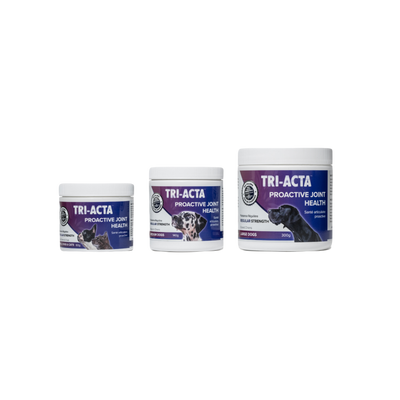
A proactive approach for developing and younger adult pets to maintain optimal joint health mobility, minimize inflammation and fend off age-related ailments.
TRI-ACTA for Pets
How to Care for an Underweight Cat

To help your cat gain weight safely and get them back up to a healthy body structure and function, there are several steps that you should take:
1. Rule Out Underlying Diseases With Bloodwork and Exams
If your cat is underweight, veterinary assessment is always the first step. Even the most carefully planned diet won’t help if there’s an untreated medical issue preventing your cat from absorbing nutrients.
Your veterinarian will likely recommend blood work, urine tests, and a physical examination to check for diseases such as hyperthyroidism, kidney disease, diabetes, or gastrointestinal disorders. Identifying and treating these conditions early can make all the difference in your cat’s recovery.
2. Feeding Small, Frequent Meals
When a cat is malnourished—whether from illness or lack of access to food—it’s important to reintroduce nutrition slowly. Feeding many small meals throughout the day prevents digestive upset and reduces the risk of refeeding syndrome, a condition caused by reintroducing too much food too quickly.
Start with small portions of easily digestible, high-protein food several times a day. Over time, you can transition to calorie-dense or veterinary therapeutic diets designed specifically for weight gain and nutrient absorption. These diets are balanced with the right ratio of protein, fat, and carbohydrates to promote safe, steady recovery.
To make meals more appealing:
-
Warm wet food slightly to enhance aroma and taste.
-
Add toppers like low-sodium chicken broth or tuna water.
-
Mix wet and dry food for texture and variety.
-
Offer elevated feeding bowls to reduce strain and improve comfort while eating.
Keeping feeding times consistent also helps reduce anxiety and encourages your cat to eat regularly.
3. Manage Stress, Create Safe Feeding Spaces, and Support Recovery
Cats are highly sensitive to environmental changes, and stress or anxiety can suppress appetite. Creating a calm feeding environment is key—keep food bowls away from loud noises, other pets, or high-traffic areas. For multi-cat homes, provide separate feeding spaces to prevent competition and encourage relaxed eating.
In addition to stress reduction, hydration and regular weight monitoring are crucial. Always provide fresh water, and consider offering wet food to increase moisture intake—especially for cats prone to urinary or kidney issues.
If your vet recommends it, certain supplements can help stimulate appetite and support joint or mobility recovery, especially in older or underweight cats with stiffness. TRI-ACTA H.A. can be a valuable part of this plan—it supports muscle strength, reduces inflammation, and helps your cat regain vitality as they recover.
Key Takeaways on Underweight Cats
There can be many causes of an underweight cat besides just not eating enough. Cats that are chronically underweight usually have underlying health issues that need to be addressed before they can be brought back up to a healthy weight.
Underweight cats that are not getting enough nutrition may see joint deterioration over time due to lack of nutrients. To ensure that your cat is maintaining their joint health, consider incorporating TRI-ACTA into their daily diet. With 100% active ingredients and no fillers, preservatives, or additives, TRI-ACTA will not aggravate any gastrointestinal issues that your kitty may have.
Our maximum strength formula is optimally designed to accelerate the formation of cartilage, minimize inflammation, expedite the healing process, and improve joint conditions.
TRI-ACTA H.A. for Pets
Purchase TRI-ACTA H.A. online today, or find out where to buy in a store near you.
Share this post:



Proactive & Therapeutic Joint Supplements

When given daily, Integricare joint supplements recover bone and joint injuries faster and help prevent mobility injuries from happening in the first place.