

Table Of Contents
Looking for natural ways to support your dog's health? Chances are, you've come across turkey tail mushroom for dogs. It's become one of the most talked-about supplements for immune support and overall wellness.
Before you buy a supplement, there are a few important questions to answer. Is turkey tail mushroom good for dogs? Is turkey tail mushroom safe for dogs? Are there any side effects of turkey tail mushroom for dogs, and how much should you actually give?
Let's walk through everything you need to know about this functional mushroom, from the potential benefits and dosage to choosing the right product for your pup.
Key Takeaways:
-
Turkey tail mushroom for dogs supports more than immune health. It's valued mainly for its beta-glucan content, compounds studied for their role in immune modulation, antioxidant support, and gut health.
-
Dosage should be based on your dog's weight. Start with a smaller amount and increase gradually to help minimize the risk of digestive upset.
-
Turkey tail is supportive, not curative. For dogs with cancer, it's considered a complementary therapy alongside veterinary oncology care rather than a standalone treatment.
-
Powder typically wins as the best format. Capsules and liquid tinctures can all be effective, but they differ in dosing flexibility, convenience, and ease of administration, with powder winning in all of these categories.
-
Product quality matters. Choose a hot-water-extracted, pet-specific supplement rather than raw or foraged mushrooms, which can be dangerous for dogs.
Why Are Mushrooms for Dogs Popular in Pet Health?
Functional mushrooms like turkey tail, reishi, and lion's mane have found their way into pet wellness routines because of what's inside them: beta-glucans, polysaccharides, and antioxidant compounds that behave as natural immune modulators.
These bioactive components don't work like a drug that forces a single reaction. Instead, they interact with the body's existing immune signaling pathways, helping to support a balanced inflammatory response, gut health, and, in some cases, cognitive function.
That's one reason functional mushrooms have become more common in pet supplements. Instead of replacing veterinary care, they're usually used alongside a healthy diet, regular checkups, and other supplements to support dogs as they age or recover from illness.
Each mushroom brings a different mix of compounds to the table, which is why many supplements combine several varieties instead of relying on just one. Formulas often pair mushrooms with ingredients like probiotics, omega-3 fatty acids, or glucosamine to support multiple aspects of canine health.
Benefits of Turkey Tail Mushroom for Dogs
The potential benefits of turkey tail mushroom for dogs come from naturally occurring compounds, particularly two beta-glucan polysaccharides known as PSK (polysaccharide-K) and PSP (polysaccharide-peptide), which have been the focus of much of the research on turkey tail.
Here's what turkey tail may do for dogs, broken down by body system.
Immune System Support
This is one of the biggest reasons dog owners look into turkey tail supplements. The mushroom contains beta-glucans, natural compounds that interact with immune cells and may help support a healthy, balanced immune response. That's especially important for dogs dealing with illness, getting older, or recovering from treatment.
Research published in the Journal of Animal Science found that dogs given medicinal mushroom polysaccharides had measurable changes in immune cell populations and vaccine-specific antibody responses. The dogs also tolerated the supplements well, with no negative effects on digestion or other general health markers.
Supporting the immune system isn't the same as "boosting" it. Turkey tail's beta-glucans work by helping regulate immune cell activity, guiding the immune system toward a balanced response rather than simply ramping it up. The goal isn't to make the immune system work harder; it's to help it function as it should.
This distinction matters most for dogs with autoimmune diseases, where an overactive immune response is already part of the problem. If your dog has one, check with your veterinarian before adding turkey tail or any other immune-support supplement.
Antioxidant Properties
Turkey tail contains antioxidants, including naturally occurring phenolic compounds, that help protect cells from damage caused by free radicals. These unstable molecules build up over time and contribute to oxidative stress, a process associated with inflammation, aging, and everyday cellular wear.
Studies in dogs have found that improving antioxidant status through diet can reduce markers of DNA damage and strengthen the body's natural defenses against oxidative stress. Turkey tail's antioxidant content is one reason it's commonly included in wellness supplements for dogs.
Antioxidant support isn't something you're likely to notice from one day to the next. Its value comes from consistent use over time, helping support healthy cells as dogs age or recover from illness.
While antioxidants aren't a substitute for good nutrition, they're one more way to help support healthy cells throughout a dog's life, especially as the body naturally changes with age.
Gut and Digestive Support
The beta-glucans and other polysaccharides in turkey tail may also support digestive health. Rather than being digested like other nutrients, these compounds act as prebiotics, helping to nourish beneficial bacteria in the gut.
Research on functional mushrooms in dogs suggests they may have a positive effect on the gut microbiome. In one study, aged dogs given lion's mane mushroom developed changes in their gut bacteria, with increases in beneficial microbes and decreases in bacteria associated with inflammation. Although this study focused on lion's mane rather than turkey tail, it highlights the potential for medicinal mushrooms to support gut health.
A healthy gut does more than aid digestion. It also plays an important role in immune function because much of a dog's immune system is found in the gastrointestinal tract. While turkey tail shouldn't be used to treat ongoing digestive problems, supporting a healthy gut microbiome may benefit both digestive and immune health.
Supportive Care for Dogs with Cancer
Much of the interest in turkey tail mushroom for dogs comes from its potential role in supportive cancer care. A widely discussed Penn Vet study found that dogs with hemangiosarcoma given a turkey tail-derived compound had longer survival times than is typically reported for the disease.
The beta-glucans in turkey tail and other mushrooms are thought to play a role here. In a cancer context, researchers believe they may help the immune system recognize and respond to abnormal cells more effectively, which is part of why turkey tail and other mushrooms are studied as a supportive option rather than a standalone treatment.
Even so, the research is still developing. A 2024 review in Microorganisms looked at the immunomodulatory and anti-inflammatory effects of mushroom beta-glucans in dogs and cats, and while it points to promising applications, the body of evidence in dogs is still small compared to what's been studied in humans. Most findings come from limited trials, so researchers are still working to confirm how consistent and reliable these benefits are.
That doesn't mean turkey tail has no place in cancer care. Instead, it's best viewed as a supportive therapy that may complement treatments such as chemotherapy or radiation. It should never replace conventional cancer treatment, and any supplement should be discussed with your veterinarian or veterinary oncologist.
How Do I Determine the Best Turkey Tail Mushroom Dosage for Dogs?

Turkey tail mushroom dosage for dogs is usually based on body weight, so a small dog won't need the same amount as a large breed. Most manufacturers provide dosing guidelines based on either the amount of mushroom extract or its beta-glucan content. Because formulations vary, two products may recommend different serving sizes while delivering a similar amount of the active compounds.
That's why it's important to follow the dosing instructions for the specific product you're using instead of relying on a generic dosage chart. A more concentrated extract may require only a small serving, while a lower-potency product may call for a larger amount to provide a comparable dose.
The chart below provides general starting guidelines for a typical mid-potency turkey tail extract, but once again, be sure to review the specific dosage guidelines for the product you purchased. Dogs undergoing cancer treatment may need a different dosing approach than dogs taking turkey tail for general wellness. Your veterinarian or veterinary oncologist can recommend the right dose based on your dog's diagnosis, treatment plan, and overall health.
General Dosage Guidelines by Weight
|
Dog Size |
Approximate Weight |
Typical Starting Dose (extract powder) |
|
Small breed |
Under 20 lbs |
1/4 tsp daily |
|
Medium breed |
20–50 lbs |
1/2 tsp daily |
|
Large breed |
50–90 lbs |
3/4 to 1 tsp daily |
|
Giant breed |
90+ lbs |
1 to 1.5 tsp daily |
How to Introduce Turkey Tail Mushroom Safely
Even a supplement with a strong safety profile can cause a reaction if it's introduced too quickly. Follow these steps when starting turkey tail mushroom for dogs:
-
Start with a quarter to a half of the recommended dose for your dog's weight during the first three to five days.
-
Watch for any changes in stool, appetite, or energy level. Mild, temporary softening of stool is the most common reaction and usually resolves on its own.
-
Increase gradually to the full recommended dose over 1 to 2 weeks if no adverse reactions occur.
-
Give the supplement with food rather than on an empty stomach to reduce the chance of stomach upset.
-
Check in with your vet before starting if your dog is on other medications, since mushroom supplements can interact with immunosuppressants or blood thinners.
Turkey Tail Mushroom Powder for Dogs vs. Capsules vs. Liquid
Once you've settled on turkey tail mushroom for dogs as part of the routine, the next decision is format. Each has strengths depending on your dog's size, temperament, and how precisely you want to control the dose.
Comparison of Powder, Capsule, and Tincture Formats
|
Format |
Best For |
Pros |
Cons |
|
Powder |
Most dogs, especially in multi-dog households |
Easy to adjust dose by weight, mixes into any food |
Some dogs detect the earthy taste |
|
Capsules |
Dogs who take pills well, owners who travel |
No taste, precise fixed dosing, easy to pack |
Harder to fine-tune the dose for very small or very large dogs |
|
Liquid/Tincture |
Picky eaters, dogs who resist pills |
Fast absorption, easy to add to water or food |
Often, alcohol-based extracts and glycerin-based versions are preferable for pets |
Turkey tail supplements for dogs are available in powder, capsule, and liquid extract forms. Powders are the most flexible option because they're easy to measure and mix into food, making them a popular choice for dogs just starting a supplement.
Capsules can be convenient if your dog already takes other daily supplements or medications. Liquid extracts may work well for picky eaters or dogs that won't tolerate changes in food texture, but make sure you choose a glycerin-based formula rather than one made with alcohol.
The best format is the one your dog will take consistently. However, powder typically wins because it’s the easiest to store, administer (just mix it with wet or dry food) and is easy to dose.
Safety and Sourcing
Turkey tail mushroom supplements for dogs are, on the whole, well tolerated, but sourcing is key.
-
Never feed raw or foraged wild mushrooms. Even if a wild turkey tail-like fungus looks similar to the real thing, misidentification is common, and some wild mushrooms are highly toxic to dogs.
-
Choose hot-water-extracted supplements made specifically for pets. Dogs lack the enzymes needed to break down the chitin in raw mushroom cell walls, so unprocessed mushroom material passes through mostly undigested and unused.
-
Look for products tested for beta-glucan content, since potency varies significantly between brands and extraction methods.
-
Avoid products with unnecessary fillers, particularly added starches, sugars, or artificial preservatives.
Hot-water extraction isn't just a manufacturing preference. It's the step that makes turkey tail mushroom for dogs actually usable for their bodies. This process breaks down the tough, indigestible chitin in the mushroom's cell walls and concentrates the water-soluble beta-glucans so they're bioavailable, meaning your dog's body can absorb and use them rather than simply passing them through.
You'll also notice some products say they're made from the fruiting body, the mycelium, or both. Fruiting body extracts are generally preferred because they naturally contain higher levels of beta-glucans. If the label doesn't clearly explain what's in the supplement or how it was made, it's worth looking at another brand.
A reputable manufacturer should also make it easy to find information about where the mushrooms were grown and whether the finished product has been tested for quality and purity.
Storage also matters. Keep mushroom supplements in a cool, dry place and always check the expiration date before use. Heat and moisture can gradually reduce product quality over time, particularly for powdered formulations that are opened frequently.
Best Brand of Turkey Tail Mushroom for Dogs
With so many turkey tail mushroom for dogs reviews online, it can be hard to separate genuine quality from clever marketing.
Plenty of products call themselves the best turkey tail mushroom supplement for dogs. Far fewer can back that claim up with a verifiable beta-glucan percentage or third-party test results.
Here are a few factors to consider before you commit to a brand:
-
Third-party testing or regulatory recognition, such as products registered as a Veterinary Health Product, signals an added layer of oversight beyond standard supplement manufacturing.
-
Transparent, verifiable beta-glucan percentages on the label, not vague claims like "premium" or "potent" without a number attached.
-
Genuine customer reviews across multiple platforms, not just testimonials curated on the brand's own site.
-
Clear dosing instructions by weight, ideally with guidance for introducing the supplement gradually. Ingredient transparency is just as important as the ingredient list itself. Reputable manufacturers explain where their mushrooms are sourced, how they're extracted, and how much beta-glucan each serving provides. If a product relies on vague marketing terms like "premium blend" without disclosing potency or extraction methods, it may be difficult to compare its quality with other supplements.
Don't judge a supplement by the price alone. A more concentrated extract may cost more, but you often use less of it each day. Looking at the serving size along with the beta-glucan content gives you a better idea of what you're actually getting.
1. Blends for Life

Blends for Life’s Turkey Tail Mushroom Extract for Dogs is made with organic fruiting bodies and hot water extraction to concentrate beta-glucans and other beneficial compounds. The formula includes weight-based dosing instructions, making it easy to choose the right amount for your dog. Just scoop the recommended amount into your dog's food each day.
Price: $43.99 per container. Pricing as of July 2026.
2. Lumiqour

Lumiqour's Turkey Tail Probiotic™ combines concentrated turkey tail extract with probiotics to support both immune and digestive health. The company also standardizes its extract for beta-glucan content, so you know how much you're getting in each serving. The powder mixes right into your dog's food, so there's no extra step beyond mealtime.
Price: Starts at $39.99 (subscription) or $49.99 (one-time purchase). Pricing as of July 2026.
3. North Hound Life

North Hound Life's Organic Turkey Tail Mushroom Powder uses organically grown fruiting bodies with no artificial fillers or flavors. It's a good option if you're looking for a simple, single-ingredient turkey tail supplement. Just mix the recommended amount into your dog's food once a day.
Price: $50.99 per container. Pricing as of July 2026.
Whichever brand you choose, it's worth taking a step back every so often to make sure the rest of your dog's daily care is supporting their overall health. Small habits often have the biggest long-term impact.
How to Add Turkey Tail Mushroom Powder to Your Dog's Food

Getting the dose right is only half the job. The other half is making sure your dog will actually eat it. Fortunately, most dogs accept turkey tail powder without much trouble when it's mixed into a food they already enjoy.
Mixing Methods
-
Stir it into your dog's regular meal. Turkey tail powder blends easily into wet food. If your dog eats dry kibble, mix the powder with a little warm water or low-sodium bone broth first, then pour it over the food so the powder sticks instead of settling at the bottom of the bowl.
-
Mix it into a favorite soft food. Plain canned pumpkin, plain yogurt, or unsalted peanut butter can help disguise both the taste and texture. Always check ingredient labels carefully and avoid products containing xylitol, an artificial sweetener that's highly toxic to dogs.
-
Use a high-value topper. If your dog is especially picky, try mixing the powder with shredded chicken, canned tuna packed in water, or scrambled egg. Strong-smelling foods can help mask the earthy flavor of medicinal mushrooms.
Tips for Consistency
-
Give it with a meal. Taking turkey tail with food may help reduce the chance of mild digestive upset and make it easier to remember as part of your dog's normal feeding routine.
-
Stick to the same schedule. Giving the supplement at roughly the same time each day can make it easier to stay consistent and help establish a routine for both you and your dog.
-
Introduce it gradually. If your dog is hesitant, start with a small amount mixed into a favorite food, then increase to the full serving over several days. A gradual introduction often leads to better acceptance.
Alternatives if a Dog Refuses the Powder
-
Try capsules instead. Hide the capsule in a pill pocket, a small piece of cheese, or another soft treat your dog enjoys. Some dogs accept capsules more readily than food mixed with powder.
-
Experiment with different foods. If one flavor doesn't work, try another. Some dogs prefer the powder mixed with poultry, while others are more willing to eat it with fish or another strongly flavored food.
-
Scale back and try again. If your dog refuses the full serving, reduce the amount temporarily and slowly work back up to the recommended dose as they become accustomed to the taste.
Supporting Overall Wellness Alongside Turkey Tail Mushroom
As dogs get older, it's common for both immune function and joint health to need extra support. Turkey tail mushroom helps support a healthy immune system, while ingredients like glucosamine, chondroitin, and MSM target a different aspect of healthy aging by supporting cartilage, joint function, and mobility.
Looking after both at the same time can help support your dog's comfort and quality of life as they age.
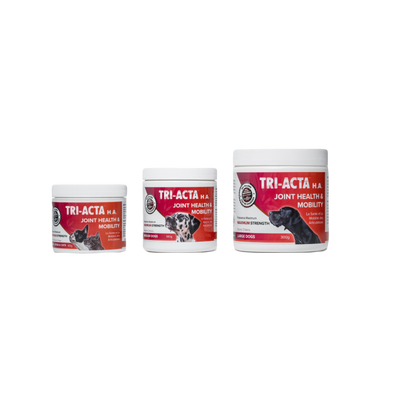
TRI-ACTA contains two forms of glucosamine, along with chondroitin and MSM, to help maintain healthy joints and keep dogs moving comfortably. For dogs that need additional joint support, TRI-ACTA H.A. adds hyaluronic acid to further support cartilage health and help maintain a normal inflammatory response. Together, these supplements can support different aspects of your dog's overall health as part of a well-rounded wellness plan.
The Next Step in Your Dog's Wellness Journey
Turkey tail mushroom for dogs has earned its place as one of the better-studied medicinal mushrooms in veterinary medicine. While it isn't a cure-all, research suggests it may help support immune function, gut health, and overall wellness. For some dogs, particularly seniors or those receiving treatment for serious illnesses, it can also serve as a valuable complement to veterinary care.
Getting the most from any supplement starts with choosing a high-quality, hot-water-extracted product, following the recommended dosage, and introducing it gradually. Combined with good nutrition, regular exercise, and routine veterinary care, turkey tail can become one part of a well-rounded approach to your dog's long-term health.
If your dog's wellness routine could use a joint health boost alongside immune support, purchase TRI-ACTA or TRI-ACTA H.A. online, or learn where to buy at a store near you.
Our maximum strength formula is optimally designed to accelerate the formation of cartilage, minimize inflammation, expedite the healing process, and improve joint conditions.
TRI-ACTA H.A. for Pets
Share this post:


Proactive & Therapeutic Joint Supplements

When given daily, Integricare joint supplements recover bone and joint injuries faster and help prevent mobility injuries from happening in the first place.