


Table Of Contents
Ensuring your horse feels their best throughout their life comes down to providing the right kind of fuel. While many equine diet management plans have traditionally focused on high-sugar grains for energy, the shift toward high-fat horse feed is a great way to support long-term wellness and steady performance.
Using fat as a primary energy source provides a dense, "cool" calorie profile (a diet that provides high-density energy for weight gain, performance, and stamina without causing behavioural "hotness," hyperactivity, or metabolic issues) that helps your horse maintain a calm focus while giving them the stamina they need for everything from trail rides to the show ring.
This guide will walk you through the most effective ways to introduce fat into your horse's diet.
From choosing the right sources to understanding the best feeding practices, the goal is to help you build a nutritional foundation that keeps your horse happy, healthy, and ready for your next ride together.
Key Takeaways
-
Efficient energy source: Fat provides a dense, "cool" energy that supports stamina and focus without the metabolic spikes or excitability often caused by high-sugar grains.
-
Gentle on digestion: Because fat is highly digestible and calorie-dense, you can often feed smaller meal volumes, reducing the risk of digestive upset and supporting overall gut health.
-
Targeted weight gain: For hard keepers and senior horses, high-fat senior horse feed sources, like stabilized rice bran or vegetable oils, offer a safe and effective way to build a healthy topline and body condition.
-
Skin and coat health: Beyond internal energy, healthy lipids nourish the skin and hair follicles, resulting in a vibrant, deep-seated shine that reflects excellent internal wellness.
-
Proactive wellness: Combining high-quality nutrition with pharmaceutical-grade joint support ensures your horse is protected from the inside out, regardless of their age or activity level.
What is High-Fat Horse Feed?
High-fat horse feed is a specialized nutritional option that provides concentrated energy from lipids rather than starches.
By incorporating ingredients such as vegetable oils, rice bran, or flaxseed, these feeds provide a calorie-dense fuel source that supports weight gain, steady stamina, and a healthy coat while remaining gentle on the equine digestive system.
Why Use High-Fat Horse Feed?
Focusing on fat as a primary fuel source is a proactive way to support your horse’s long-term vitality as part of a well-rounded horse care routine.
High-fat horse feed provides a dense energy profile that is highly digestible, helping your horse stay resilient and comfortable, whether they are competing at a high level or enjoying their senior years. By shifting the focus from sugar-rich grains to high-quality fats, you create a metabolic environment that favors steady performance and long-term health.
High-Fat vs High Starch in Horse Feed
|
Feature |
High-Fat Energy |
High-Starch Energy |
|
Typical Energy Density |
Very High (9 Mcal/kg) |
Moderate (3-4 Mcal/kg) |
|
Metabolic Impact |
Stable blood sugar |
Insulin & glucose spikes |
|
Temperament |
"Cool" and focused |
Potential excitability ("hot") |
|
Digestive Safety |
Low risk of hindgut acidosis |
Higher risk of fermentation issues |
|
Thermal Load |
Produces less body heat |
Produces more body heat |
Sustained Energy
Because horse fat is metabolized more slowly than sugar, horse feed high in fat delivers long-lasting energy that is ideal for endurance and consistent stamina. In other words, it provides a steady stream of fuel throughout a workout rather than a quick spike followed by a crash.
This metabolic efficiency allows your horse to maintain a high level of work for longer periods without the "hot" or reactive behaviour often associated with feeding traditional high-starch grains.
Owners often choose fat-based energy because it offers the following benefits for performance:
-
Glycogen sparing: Using fat for aerobic work allows the horse to save muscle glycogen for anaerobic bursts, such as a sprint to the finish or a difficult jump.
-
Consistent power: Unlike glucose, which fluctuates, fat provides a reliable energy floor that prevents mid-workout fatigue.
-
Slow-burn metabolism: Helps prevent the "sugar high" and subsequent physical depletion common with high-grain rations.
Weight Gain
For hard-keeper horses (a horse that struggles to maintain a consistent, healthy weight) or horses recovering from illness, fat is an invaluable tool for building body condition.
Since fat contains more than twice the calories per gram compared to carbohydrates, it allows you to increase a horse’s caloric intake significantly without drastically increasing the physical volume of their meal. This is particularly important for horses with smaller appetites or those prone to gastric discomfort when fed large portions.
Utilizing fat for weight management is effective because of these core factors:
-
Metabolic efficiency: Fat provides a steady, slow-release energy source that supports consistent body condition without sharp blood glucose spikes.
-
Digestive comfort: Smaller meal sizes reduce the risk of undigested starch reaching the hindgut, preventing discomfort.
-
Topline support: When paired with quality protein, fat helps fill out the "hollows" and supports a healthy, rounded physical appearance.
Muscle Building & Coat Maintenance
The essential fatty acids found in a high-fat horse feed are the building blocks for more than just energy. They also play a critical role in muscle development and repair, ensuring your horse has the strength to perform and recover quickly. Additionally, these lipids nourish the skin and hair follicles, resulting in a healthy, vibrant coat shine that isn't just a surface-level shimmer, but a reflection of proper internal health.
Healthy fats contribute to your horse's outward appearance and internal strength by:
-
Cell membrane integrity: Fatty acids are vital for the health of every cell in the body, including muscle fibers.
-
Inflammatory response: Specific fats, like Omega-3s, help manage the body's natural inflammatory response to exercise.
-
Sebum production: Increased healthy fats allow the skin to produce more sebum, the natural oil that provides waterproof protection and a brilliant shine.
Low Non-Structural Carbohydrates (NSC)
Many high-fat horse feed options are specifically formulated to be low in NSC (sugars and starches). This makes them an excellent choice for horses with metabolic sensitivities who still require a significant amount of calories to maintain their work level.
By shifting the energy source from glucose to lipids, low-starch high-fat horse feed can provide the necessary fuel for daily life while minimizing the risks associated with insulin spikes and high blood sugar.
Choosing low-NSC, high-fat options provides these metabolic advantages:
-
Stable glucose levels: Reduce the metabolic stress on the pancreas and help manage insulin sensitivity.
-
Safe for easy keepers in work: Provides energy for performance without the risk of starch-related laminitis or founders.
-
Starch bypass prevention: Lowering NSC reduces the chance of starch fermenting in the hindgut, which can lead to gas colic.
Calmer Temperament
Because fat provides a steady release of energy rather than a sudden spike in blood sugar, many owners notice a more level-headed and focused temperament in their horses when they feed them high-fat horse feed.
This "cool" energy source helps avoid the hormone fluctuations, specifically adrenaline and insulin, that often lead to spooky or erratic behaviour, making it easier for your horse to stay relaxed and attentive during training.
A fat-based diet helps support a focused mind through these mechanisms:
-
Reduced excitability: Prevents the fight-or-flight response, often triggered by rapid sugar absorption.
-
Improved focus: A more stable energy supply allows for better concentration during complex tasks.
-
Anxiety management: Eliminates the physical restlessness associated with high-starch energy bursts.
Heat Regulation
Metabolizing fat produces significantly less internal body heat compared to the fermentation of fiber or the processing of carbohydrates.
This efficiency, known as the heat increment of feeding, helps your horse regulate their core temperature more effectively. This is a crucial advantage for performance horses who need to stay cooler and more comfortable during intense exercise or throughout the humid summer months.
Helps with Digestive and Metabolic Health
Incorporating a high-fat horse feed can often reduce the total grain needed in the bucket, lowering the overall risk of digestive upsets. It serves as a safer, more stable energy source for horses managing conditions like insulin resistance or those prone to "tying-up" or polysaccharide storage myopathy (PSSM), provided the diet is balanced correctly.
By reducing the reliance on starch, you create a more natural and balanced environment for the equine digestive tract.
Improved digestive wellness is achieved through:
-
Reduced ulcer risk: Smaller, fat-based meals are less likely to contribute to gastric acidity.
-
Colic prevention: Minimizes the risk of grain overload and subsequent hindgut fermentation issues.
-
Metabolic stability: A vital component for managing PSSM by providing energy that doesn't involve glucose storage.
Common Sources of Fat in Horse Feed

While there are many ways to increase a ration's lipid content, these common ingredients are often used in high-fat horse feed due to their palatability and specific health benefits. They can also be used as a high-fat horse feed supplement added to regular horse feed to increase its fat content.
Rice Bran
Rice bran is a highly digestible, energy-dense outer layer of the rice kernel that serves as a popular base for many commercial high-fat feeds.
Because it is naturally high in fat, it is excellent for maintaining body condition and supporting a healthy topline. Most reputable manufacturers use stabilized rice bran to prevent the fat from rancidity, ensuring your horse receives a fresh, safe energy source.
Ground Flax (Linseed)
Flaxseed is one of the most nutritionally rich fat sources available for horses. It is particularly valued for its high concentration of Omega-3 fatty acids, which are essential for supporting a healthy inflammatory response and overall joint comfort. When ground, flax is easily absorbed and provides a significant boost to the coat’s shine.
Because it balances the Omega-3 to Omega-6 ratio in the diet, it is a staple for owners who want to support their horse’s wellness from the inside out.
Vegetable Oils
Vegetable oils, such as canola, soybean, and flaxseed oils, are the most direct way to increase fat intake. These oils are often added to high-fat horse feed to further boost calorie density without increasing the meal's bulk. They are nearly 100% fat and are highly palatable for most horses.
While canola and soybean oils are excellent for weight gain, flaxseed oil is often preferred for those wanting the specific benefits of Omega-3s. Adding a high-quality oil is an easy, effective way to ensure your horse has the sustained energy needed for daily work.
Which Horses Benefit the Most from High-Fat Horse Feed?
Every horse has unique nutritional requirements, but certain lifestyles and life stages make the inclusion of a high-fat horse feed particularly beneficial.
By tailoring the diet to these specific needs, you can provide the targeted support required for optimal health and longevity.
-
Performance and endurance athletes: Horses involved in high-intensity disciplines like endurance, racing, or cutting require a massive amount of fuel. High-fat diets provide these athletes with sustained stamina, allowing them to work longer before fatigue sets in. Because fat is a slow-burning fuel, it helps preserve muscle glycogen stores for when the horse needs a final burst of speed or power.
-
Hard keepers and underweight horses: Some horses naturally struggle to maintain a healthy weight due to metabolism, age, or stress. Adding a high-fat horse feed is one of the most efficient ways to help a hard keeper gain ground. The high calorie density allows these horses to consume the energy they need to build a healthy topline without having to process an uncomfortable volume of grain.
-
Horses with starch and sugar sensitivities: For horses that need to avoid the spikes associated with non-structural carbohydrates (abbreviated to NSC, includes readily available sugars and starches like glucose, fructose, sucrose, and fructans), fat offers a safe alternative. It provides necessary calories without the blood sugar fluctuations that can be problematic for horses prone to laminitis or insulin resistance. Shifting the energy source to lipids allows you to maintain condition while keeping metabolic health in check.
-
Broodmares with high energy demands: Late-term pregnancy and lactation are two of the most nutritionally demanding periods in a mare's life. High-fat horse feeds help meet these increased requirements, ensuring the mare has enough fuel to support both her own body and the growth of her foal, especially during the taxing nursing period.
-
Horses needing joint and metabolic support: Wellness is holistic, and the type of fat your horse consumes can impact their comfort and mobility. High-fat diets rich in Omega-3 fatty acids support a healthy inflammatory response throughout the body. This is particularly beneficial for horses needing extra joint support, as it provides the essential nutrients needed to keep the body moving fluidly.
Best High-Fat Horse Feed Options
Choosing the best high-fat horse feed depends on your horse's specific workload and metabolic needs.
Below is a summary of some of the most trusted options available, comparing their fat content and primary benefits to help you make an informed choice for your horse’s wellness.
|
Product |
Fat Content |
Primary Benefit |
|
12.4% |
Uses a proprietary Sustained Energy System® to provide steady fuel for high-level athletes and performance horses. |
|
|
13.0% |
Features Rebound Technology™ to support muscle recovery and Digestive Shield™ for proactive gut health. |
|
|
18.0% |
A high-fat supplement designed to be top-dressed for rapid weight gain and a superior show-ring finish. |
|
|
13.0% |
Formulated with a very low NSC (11.5%) and flax oil, making it ideal for metabolically sensitive hard keepers. |
The Critical Intersection: Diet & Joint Integrity

Maintaining your horse’s wellness requires looking at the big picture, where nutrition and structural health meet.
When you adjust a horse’s energy intake through a high-fat horse supplement, it is important to consider how these changes in body condition and performance level influence their long-term joint integrity.
More Weight, More Pressure
There is a direct mechanical relationship between a horse’s body weight and the stress placed on their lower limbs. As a horse gains condition or carries more muscle mass from a high-fat diet, the load on the hocks, fetlocks, and knees increases.
Even healthy weight gain means the joints must work harder to absorb the impact of movement. Ensuring your horse’s frame is supported by a strong foundation is essential to preventing premature wear and tear that can result from increased mass or a more rigorous training schedule.
The Proactive Path
Horses fueled by a high-fat performance diet are often working at a higher intensity, which naturally increases the demand on their joints. This is where lubrication becomes key.
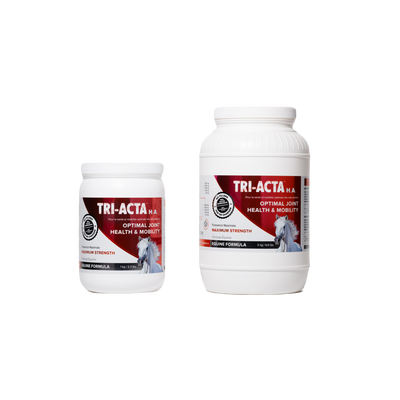
Supplementing with Hyaluronic Acid, a core component of TRI-ACTA H.A., helps maintain the thickness of the joint fluid. By ensuring the joints stay well-lubricated, you complement the extra energy from a high-fat diet with the cushion needed to keep your horse moving comfortably.
Adding a lubrication-focused supplement helps your horse in several ways:
-
Better shock absorption: Think of it like adding fresh oil to an engine; it keeps the fluid thick enough to protect the bones from rubbing together during hard work.
-
Reduced friction and heat: When a horse works harder, their joints move more; proper lubrication stops the joints from overheating and wearing down prematurely.
-
Smoother movement: Keeping the joints well-oiled helps your horse stay flexible, making it easier for them to perform athletic maneuvers like jumping or turning.
-
Long-term protection: By acting early, you protect the joint surfaces from the extra wear and tear that comes with a higher activity level.
Providing preventative support for younger horses and helping mitigate the early onset of joint degeneration and other mobility issues.
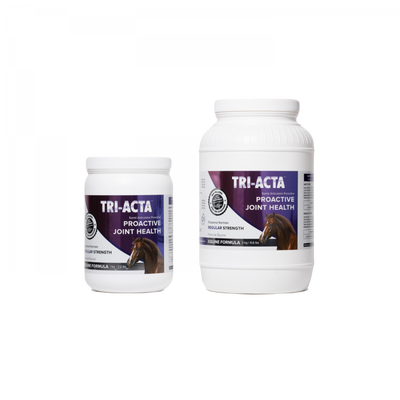
TRI-ACTA for Equine
Healing from Within

A nutrient-dense diet works best when paired with pure, effective horse supplements that address the body’s needs directly.
Using 100% active ingredients, like Glucosamine, Chondroitin, and Methylsulfonylmethane (MSM), TRI-ACTA products ensure that your horse is receiving the building blocks for cartilage repair and inflammation management without unnecessary fillers.
A "healing from within" approach focuses on these simple goals:
-
Rebuilding the joint: Glucosamine and Chondroitin act as the raw materials the body uses to fix small amounts of wear and tear in joint cartilage.
-
Soothing soreness: MSM is a natural anti-inflammatory that reduces the swelling and tightness that can occur in joints after a long day of exercise.
-
Supporting soft tissues: These ingredients help the tendons and ligaments stay strong so they can support the extra muscle mass your horse builds on a high-fat diet.
-
Keeping the diet clean: Using 100% active ingredients means you aren't adding junk or fillers to the bucket, which keeps your horse's digestion running smoothly.
Give Your Horse the Support They Deserve
Optimizing your horse’s diet with a high-fat horse supplement is a powerful way to support their energy needs, body condition, and overall temperament. By choosing high-quality fat sources and balancing them with the right nutrients, you provide a "cool" burning fuel that respects the horse’s natural digestive physiology.
Is your horse’s joint care keeping pace with their nutrition? Whether you’re fueling a high-level athlete or supporting a senior's golden years, ensure their joints have the protection they need to match their energy.
Purchase TRI-ACTA online or learn where to buy at a store near you.
Our maximum strength formula is perfect for horses that are ageing, experiencing arthritis and stiffness, are in training and competition, or under a heavy workload.
TRI-ACTA H.A. for Equine
Share this post:



Proactive & Therapeutic Joint Supplements

When given daily, Integricare joint supplements recover bone and joint injuries faster and help prevent mobility injuries from happening in the first place.