

Table Of Contents
A fat horse might look cute grazing in the field, bBut those extra pounds can quietly affect comfort, mobility, and long-term health.
Weight gain happens slowly over time, leading to joint strain and mobility issues. Horses are experts at hiding discomfort, which means owners often miss the early signs that something'sthat’s something’s not quite right. By the time stiffness or soreness shows up, the strain on joints, hooves, and soft tissues may already be underway.
However, if you’re paying careful attention to your horse’s body, you’ll be able to see signs that they might be putting on some extra pounds and take steps to prevent them from getting to a point where the excess weight affects their mobility.
If your horse is already a bit soggy around the midsection, there are actionable steps you can take to help them not only lose weight but also strengthen their joints to support the extra pounds while they’re on their weight loss journey.
With the right approach to diet, movement, and targeted supplementation, you can help your horse shed unnecessary weight, support healthy joints, and stay active for years to come.
What Does a Fat Horse Look Like?
When you’re trying to identify what a fat horse looks like, remember that appearance alone can be deceiving.
While a round belly is the stereotypical image, many overweight horses carry fat along the neck, behind the shoulder, and over the tail head long before the abdomen becomes obvious.
Coats, conformation, and even a clever stance can conceal early accumulation, making visual evaluation alone somewhat unreliable.
To get a clearer picture, run your hand along the ribs. If you have to press firmly to detect them, that’s an early sign of excess fat.

Next, check the area over the tail head. If it feels padded or slightly spongy, calories may be sticking around longer than they should. Finally, observe the crest; even a soft thickening can mean your horse is storing more energy than necessary.
Understanding Body Condition Scoring (BCS)
Understanding body condition scoring (BCS) provides a straightforward method for measuring fat coverage, eliminating the need for guesswork.

The 1–9 scale focuses on how fat is distributed across key areas, including ribs, neck, tail head, withers, and topline. Most horses feel and move best between a 4 and 6.
At a seven (7) or higher, fat becomes more noticeable. The shoulder blends into the ribs, the tail head becomes padded, and the neck crest starts to thicken and feel firm.
By the time a horse reaches an 8 or 9, the body appears wide and smooth, with fat pads that are easily visible and palpable. Checking BCS once a month keeps small changes from becoming long-term problems.
Here’s a table to help you better visualize the BCS:
|
Score |
Visual/Physical Clues |
What It Means |
|
3 (Too Thin) |
Hip bones are faintly visible; neck and shoulder appear sharp; ribs are easily seen and felt with no pressure |
Needs more calories and close monitoring |
|
4 (Healthy Lean) |
Athletic outline; faint rib outline in good lighting; ribs easy to feel under light pressure; tail head smooth |
Ideal for horses in consistent work |
|
5 (Ideal/Healthy) |
Smooth topline; shoulder blends cleanly; ribs easy to feel but not visible; tail head slightly soft |
Most horses should stay here |
|
6 (Slightly Overweight) |
Barrel looks rounded; topline less defined; soft padding behind the shoulder and over the tail head; ribs harder to find |
Adjust calories and increase movement |
|
7 (Overweight) |
Wider appearance from front/behind; noticeable crest thickening; firm fat around tail head; ribs difficult to feel |
Early metabolic risk — intervene |
|
8 (Fat) |
Bulging fat pads behind the shoulder and tail head; crest firm; movement may look heavy; ribs buried |
Laminitis risk rising — take action |
|
9 (Very Fat) |
Hard, obvious fat pads; crest may tip to one side; flanks and shoulder pockets filled; ribs impossible to feel; movement slow or stiff |
High risk — veterinary guidance recommended |
Signs of a Fat Horse vs. A Healthy Horse
So, what does a fat horse look like? Spotting the signs of a fat horse vs. a healthy horse becomes easier when you know what to look for.
A healthy horse has ribs you can feel easily, a crest that bends softly when touched, and visible muscle structure along the topline.
A fat horse may develop:
-
A thicker, firmer crest
-
Padding behind the shoulder
-
A smoother, rounder rump
-
Ribs hidden under a soft layer
Issues that a Really Fat Horse or Extremely Fat Horse May Have
When weight gain becomes more advanced, descriptions of a really fat horse or an extremely fat horse are often hard to miss.
1. Difficulty Moving
Movement may start to feel heavier. You might see shorter strides, more frequent shifting of weight when standing, or faster breathing during warm weather.
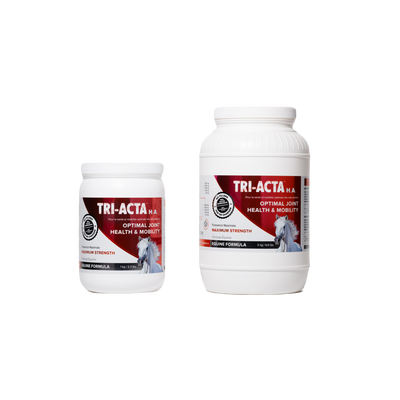
It’s the body’s way of saying, “This is getting harder.” At this stage, joints and hooves are taking on more load than they’re built for, which is why early changes matter. Introducing additional joint support such as TRI-ACTA H.A. (The H.A. stands for “hyaluronic acid”, and may be a better fit compared to regular TR-ACTA because the hyaluronic acid provides additional mobility support through increased joint lubrication) can help reinforce hardworking joints before discomfort progresses further.
2. Fat Pads
Fat pads may also develop, which occurs when a horse consumes more calories than it burns. Common spots include behind the shoulder, around the tail head, and along the crest. At first, they feel soft and subtle, but over time, they can become firmer and more defined.
3. Cresty Neck
A cresty neck is one of the most recognizable signs of excess fat storage. As the crest thickens, you’ll feel a firmer line of fat along the top of the neck, sometimes developing a ridge-like appearance. In more advanced cases, the crest can even tip to one side.
Health Risks of an Overweight or Very Fat Horse
A very fat horse can face challenges that build over time, even if they still looks happy in the pasture.
Let’s take a closer look at the two most significant risks of carrying excess weight: the stress on joints, ligaments, and hooves, and the increased likelihood of metabolic disorders like laminitis.
Increased Strain on Joints, Hooves, and Ligaments
When a horse carries more weight than their frame is built for, every step gets a little heavier. Even if they don’t look like a really fat horse, those extra pounds add pressure to joints, tendons, and ligaments.
Over time, that strain can lead to stiffness, soreness after turnout, and shorter, choppier strides. You might notice your horse taking more time to get moving after resting, or simply not feeling as eager to trot or canter.
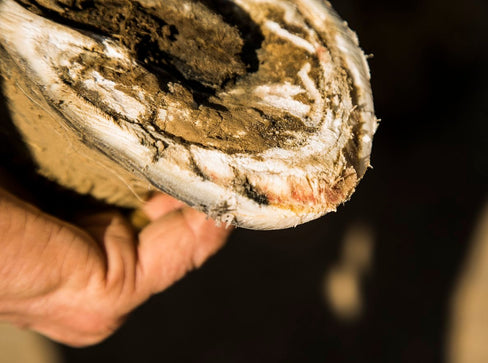
Hooves take the brunt of this load. For a big fat horse, the increased force on the hoof wall can worsen bruising, weaken support structures, and make even normal terrain feel uncomfortable. Ligaments and soft tissues stretch to support the additional weight, which can cause minor strains that accumulate over time.
Laminitis Risk and Metabolic Disorders
Laminitis is one of the most serious risks linked to excess weight in horses, and it’s something every owner should keep on their radar.
When a horse becomes overweight, especially in the very fat horse category, fat doesn’t just sit quietly under the skin. It releases inflammatory signals and affects the body's ability to manage insulin. When insulin levels remain high, the sensitive tissues inside the hoof become more vulnerable, setting the stage for laminitis.
Horses with fat deposits along the crest or tail head are often at higher risk, and this is where metabolic disorders start to show their influence.
A fat horse might develop a firm, ridge-like crest long before hoof soreness appears. By the time breathing becomes heavier or movement changes, the body has already been struggling to maintain internal balance.
Why Horses Become Overweight

Weight gain in horses doesn’t usually happen overnight. It’s a slow combination of richer calories, lighter workloads, and management habits that sneak up over time.
A horse may look fine one month and suddenly feel like a fat horse the next, especially when pasture quality spikes or treats become more frequent.
Below are the most common contributors to weight gain.
1. Overfeeding Energy-Dense Diets
Modern horse feeds are designed to fuel performance, growth, and recovery. That’s great, unless your horse spends most of their day at a slow walk in turnout.
Overfeeding a diet that’s high in sugars, starches, or calories can make an otherwise calm horse gain weight quickly, especially if they’re already an easy keeper.
2. Lack of Exercise or Turnout
Movement is how horses regulate everything from weight to gut health. When exercise drops, due to weather, busy schedules, or minor soreness, calories that would typically be burned begin to be stored as fat.
Even moderate, consistent movement can help prevent a very fat horse from gaining a higher body score.
Horses kept in stalls for long periods often miss out on natural movement. Without turnout, they may only take a few hundred steps a day rather than thousands.
That’s a big difference over weeks and months. And once joints feel heavier, activity can become less appealing, creating a tricky cycle.
3. Genetics and “Easy Keepers”
Some horses are predisposed to storing fat efficiently. Ponies, draft crosses, and certain stockier breeds are classic “easy keepers” whose metabolism is wired to hold onto calories.
What looks like a regular feeding routine for one horse can turn into an extremely fat horse situation for another.
These horses often develop a cresty neck early and accumulate fat pads around the tail head more quickly than others.
Field surveys of outdoor-kept horses and ponies have found that approximately 42% exhibited at least one episode of obesity, which helps explain why fat pads and cresty necks are commonly observed in easy keepers.
4. Seasonal Changes and Feeding Mismanagement
Seasonal shifts can significantly impact weight. As grass becomes more nutrient-dense in the spring, a horse can appear rounder almost overnight.
Feeding mismanagement also includes well-meaning habits, such as giving too many treats, unlimited pasture access, or assuming horses will “work it off” later.
They usually don’t. And because horse fat takes time to burn, those small indulgences linger far longer than expected.
Fat in the Diet: Friend or Foe?
When it comes to horses, fat can be a little confusing. On one hand, too much stored horse fat on the body can turn into joint stress, metabolic problems, and the classic silhouette of a fat horse.
On the other hand, the right kind of dietary fat can be incredibly beneficial when consumed in moderation.
It’s not uncommon for owners to see a healthy-looking horse in the pasture and assume all fat is the enemy, but the truth is more nuanced.
Difference Between Body Fat vs. Dietary Fat
It helps to separate body fat from dietary fat because they don’t behave the same way.
Body fat is stored energy. This is what you see building up along the crest, behind the shoulder, or around the tail head.
Why Dietary Fat Isn’t Always Bad: Digestibility, Energy Density, Shiny Coats
-
Digestibility: Fat is a more compact fuel source than carbohydrates. Horses can use it efficiently without overloading the digestive system. That’s why performance horses often rely on high-fat horse feed for stamina.
-
Energy density: Fat provides more energy per pound than carbohydrates. This is incredibly helpful for horses that struggle to maintain weight, seniors who don’t digest fiber as efficiently, or sport horses with higher calorie demands. For these horses, a controlled horse fat supplement or oil may be appropriate.
-
Shiny coats: If you’ve ever admired a glossy coat and wondered about the secret, dietary fat is often part of the answer. Fats support skin oils and help maintain a sleek, healthy appearance.
Comparing Low-Fat Horse Feed vs. High-Fat Horse Feed
Choosing between a low-fat horse feed and a high-fat horse feed depends entirely on your horse’s workload, metabolism, and current body condition.
|
Feed Type |
Best For |
Key Benefits |
Risks |
Ideal Workload |
|
High-Fat |
Seniors, poor doers, performance horses |
Dense calories, shiny coat, sustained energy |
Easy keepers gain quickly |
Moderate–High |
|
Low-Fat |
Easy keepers, metabolic horses |
Controlled calories, supports weight loss |
May need added amino acids |
Light |
|
Low Starch High Fat |
Insulin-resistant horses |
Stable blood sugar, calm energy |
Can still add calories |
Light–Moderate |
Choosing the Right Feed for an Overweight Horse
When you’re feeding an overweight horse, the goal is to provide nutrients without piling on unnecessary calories.
A horse that already looks like a fat horse or is creeping toward the really fat horse category usually doesn’t need energy-dense grain, sugary treats, or fat-heavy additions on top of pasture.
Instead, focus on feeds designed for maintenance and metabolic support.
Low Starch High Fat Horse Feed: When It Makes Sense
A low-starch, high-fat horse feed can be helpful when you’re dealing with metabolic concerns, but the context matters.
These feeds allow horses to get calories from fat rather than sugars and starches, helping support steady energy levels and balanced blood sugar.
For horses with insulin resistance, this type of feed can help reduce the risk of laminitis.
But for horses prone to gaining easily, it needs to be measured carefully.
Otherwise, the transition can accidentally create a big fat horse situation you didn’t intend. Work with your veterinarian or a nutritionist to find a balance that supports your horse’s metabolism without overeating calories.
Low-Fat Horse Feed: When Cutting Calories Is Essential
Sometimes, the most effective solution is a low-fat horse feed that is explicitly formulated for overweight or easy-keeping horses.
These feeds provide essential nutrients, vitamins, and minerals without packing on calorie-heavy fats. They’re particularly helpful if you’ve started noticing fat pads, a firm crest, or early signs of hoof soreness.
Because fat is calorie-dense, removing excess dietary fat can gently encourage the body to draw energy from stored sources instead. Pair this with controlled hay portions and regular movement, and you’ll start to see healthier condition changes without crash dieting.
How to Balance Fiber, Protein, and Fat in Rations
Balancing rations for an overweight horse means thinking about what you’re feeding, not just how much. Fiber should comprise the majority of their diet.
It helps maintain the digestive system's functioning correctly, supports gut health, and provides mental satisfaction, especially during prolonged periods of inactivity. Hay and pasture (when controlled) are your main sources here.
Protein supports muscle maintenance. When horses lose weight, you want them to lose horse fat, not muscle mass.
A moderate amount of high-quality protein helps maintain top-line development as pounds come off. Without it, horses can look “fluffy” even when their weight is improving.
Fat has a place, too, even for easy keepers. The difference is choosing the right kind and amount. If your horse doesn’t need extra calories, avoid unnecessary oils or a high-calorie, high-fat horse feed.
Maintaining a small amount of dietary fat helps support coat health without tipping your horse into the really fat horse category.
A balanced ration often looks like this:
-
Plenty of fiber
-
Moderate protein
-
Carefully controlled fat
-
Minimal sugar and starch
Supplements for Weight Management

Supplements can be useful tools when you’re trying to support an overweight horse, but they work best as part of a broader plan.
They can’t out-run large grain portions or an all-you-can-graze pasture buffet.
Instead, think of them as “support crew” for metabolism, joint comfort, and recovery as your horse becomes more active again.
Safe Supplements that Support Metabolism and Joint Health
When you’re choosing supplements for an overweight horse, focus on products that are safe, research-supported, and honestly labeled.
Horses carrying extra weight put more load on their joints, so a joint-specific supplement can be a smart addition.
Look for formulas with glucosamine, chondroitin, MSM, and hyaluronic acid. These ingredients help cushion the cartilage and support comfort as exercise intensity increases.
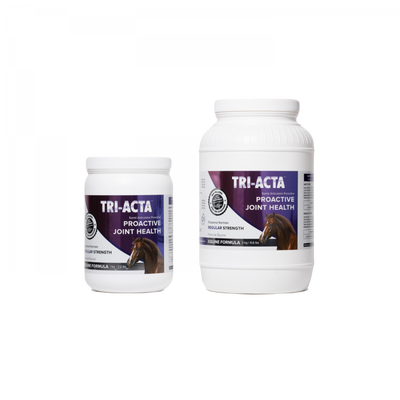
Many owners find Integricare’s TRI-ACTA and TRI-ACTA H.A. helpful in this phase.
Both formulas are made with 100% active, pharmaceutical-grade ingredients and no fillers, delivering therapeutic joint support in small, easy-to-feed servings. This helps protect cartilage and maintain mobility as conditioning work begins. The H.A. stands for hyaluronic acid, which is useful for giving horses with existing mobility issues an edge in recovery through additional lubrication, making movement easier. Our maximum strength formula is perfect for horses that are ageing, experiencing arthritis and stiffness, are in training and competition, or under a heavy workload.
TRI-ACTA H.A. for Equine
For horses carrying extra weight, joint comfort matters even more, since the added load can strain tissues as movement increases.
Metabolic support supplements can also help horses prone to fat pads, cresty necks, or uneven weight gain.
They’re often formulated to assist with glucose regulation, reducing the risk of laminitis or insulin-related discomfort. Always read serving sizes carefully; more is not better.
Avoid supplements marketed as “fat burners” for horses. They sound exciting, but equine metabolism doesn’t work like human fad diets. Slow, steady changes and good joint support will always take your horse farther.
Why Gimmicks and Quick Fixes Often Fail
When you’re staring at a really fat horse or a horse developing fat pads around the tail, head, and neck, it’s tempting to grab the first product promising dramatic results.
The problem? Horses lose weight safely only through sustained calorie control and gentle movement. No powder, paste, or saddle pad can override biology.
Common gimmicks include:
-
Crash diets (which burn muscle, not fat)
-
Sweat wraps marketed as “belly shrinkers”
-
Supplements that promise to “melt fat”
These methods often result in frustrated owners and uncomfortable horses. In some cases, quick fixes can trigger metabolic rebound, actually making the horse heavier in the long run.
Instead, gradual feeding adjustments and consistent low-impact work keep joints happy and energy steady.
Exercise and Conditioning for Overweight Horses
The most important part of any weight-loss plan is consistent movement.
For horses carrying extra pounds, exercise helps activate the metabolism, supports healthy circulation, and builds muscle to replace stored horse fat.
Low-Impact Exercise Routines
Low-impact routines are ideal for overweight horses because they burn calories without overexertion on their joints. Start with:
-
Hand-walking: 20–30 minutes, gradually increasing duration
-
Light lunging: Wide circles only; avoid small, tight loops
-
Hill walking: Strengthens muscles and supports hind-end power
-
Ground poles: Encourage stride length and core engagement
These activities gently condition the body and build stamina. They’re also ideal for horses who aren’t currently fit enough for riding.
Building Stamina Without Overstraining Joints
Extra weight adds stress, so conditioning must be thoughtful. Increase time before speed. Start with short sessions and gradually extend them by five minutes each week. Watch for signs of fatigue:
-
Short, choppy strides
-
Heavier breathing
-
Reluctance to bend or lift feet
Choose a flat, supportive footing, and mix in rest days to allow joints to recover. Joint supplements can help maintain comfort during this rebuilding stage, especially for horses who already move a little “stiff” in the mornings.
Safe Weight-Loss Programs for Horses Not Currently Fit to Ride
Not every overweight horse is ready to carry a rider right away. A safe program often includes:
-
Measured hay (tested for sugar when possible)
-
Restricted pasture time or a grazing muzzle
-
A low-fat horse feed or ration balancer for essential nutrients
-
Daily hand-walking or light liberty sessions
-
Cool-down stretching to support posture and comfort
-
Regular body condition scoring to track progress
As your horse’s condition improves, you can gradually transition into light riding by adding short walk sets with frequent breaks. Once movement feels easier and recovery is quick, add gentle trot intervals.
Conclusion
Helping a horse lose weight can feel like a slow process, but the payoff is worth every step. When the extra padding is lost, you’ll often notice a brighter energy, smoother movement, and a happier attitude in your day-to-day work.
Even better, you’re protecting their joints, hooves, and metabolic health long before problems have a chance to settle in.
There’s no single magic trick here. It’s the combination of smarter feeding choices, consistent low-impact exercise, and paying attention to small changes, such as a slightly softer crest or easier transitions at the walk.
Progress is often subtle at first, but then it becomes suddenly noticeable. And once you see your horse moving more comfortably, it’s hard not to smile.
As your horse sheds unwanted pounds and gets back to comfortable movement, joint support can help protect cartilage and keep them feeling good throughout the transition.
Integricare’s TRI-ACTA formulas are designed to do exactly that, with 100% active ingredients and therapeutic levels of glucosamine, chondroitin, MSM, and hyaluronic acid (in the H.A. version) to support mobility from the inside out.
If you’re ready to help your horse stay active, flexible, and comfortable through every stage of conditioning, explore Integricare’s equine supplements online or find a retailer near you. Providing preventative support for younger horses and helping mitigate the early onset of joint degeneration and other mobility issues.
TRI-ACTA for Equine
Share this post:



Proactive & Therapeutic Joint Supplements

When given daily, Integricare joint supplements recover bone and joint injuries faster and help prevent mobility injuries from happening in the first place.