

Table Of Contents
Ringworm in cats can catch pet parents off guard. One day, your cat’s coat looks normal, and the next, you spot odd patches, flaky skin, or more scratching than usual.
It’s a condition that spreads easily, especially in multi-pet homes, and it doesn’t take long for it to become a bigger headache if it’s missed early.
But don't panic.
Most cases are treatable, and your cat can make a full recovery with the right support and care. Let’s explore the signs, treatment options, and simple prevention tips.
What Is Ringworm in Cats?
Despite the name, ringworm isn’t a worm at all. It’s a fungal infection that targets the skin, fur, and sometimes claws. In cats, this fungus feeds on keratin, which can lead to patchy hair loss, flaky skin, and irritation.
Spores can survive in the environment for many months, clinging to surfaces and shedding into dust and debris. Long-haired cats often mask early lesions because their dense coats make it harder to spot underlying irritation.
Kittens and older cats tend to show more noticeable symptoms since their immune systems are less equipped to contain the fungus.
While cat ringworms aren’t typically life-threatening, the disease spreads quickly and is considered zoonotic, meaning it can pass from pets to people.
Because of this, identifying it early and knowing how to respond can dramatically reduce stress in multi-pet homes.
Common Fungi Responsible
There are several fungi that can cause ringworm in cats, but Microsporum canis is the most common culprit. In fact, it’s responsible for around 90–95% of infections, especially in indoor cats who don’t come into contact with soil.
Less commonly, species like Microsporum gypseum and Trichophyton mentagrophytes can also be involved, especially in cats that roam outdoors or dig in contaminated soil. All of these fungi produce spores, which makes the infection both persistent and easily transmissible.
How Cats Contract It
Ringworm spreads through direct contact with infected skin or fur. However, you don’t need to see noticeable lesions for it to be passed along.
Some infected cats can be asymptomatic carriers of ringworm. These cats show no visible signs of infection with this common cat disease, but they do shed fungal spores into the environment, quietly exposing other pets and humans.
Contaminated environments are a major source of ringworm. Environmental spores can cling to carpets, furniture, grooming tools, or even dust bunnies and remain infectious for months. Curious cats that explore new spaces or share bedding, brushes, or toys with other animals are at a higher risk.
Shared grooming appointments, boarding facilities, pet daycare, and rescues are common ringworm hotspots.
Misconceptions
There are a few myths about ringworm that tend to cause confusion:
-
It’s a worm: The name throws many people off. There’s no worm involved. Ringworm is a fungal infection, similar to athlete’s foot in humans, and it requires antifungal treatment rather than deworming medication.
-
Only affected pets need treatment: It’s tempting to treat only the cat showing visible symptoms, but that’s rarely enough. Because spores spread easily, all household pets and humans must be treated or at least checked, especially in persistent cases. Skipping this step is one of the main reasons the infection keeps returning.
-
Only spread by direct contact: Direct contact definitely spreads ringworm, but it’s not the only route. Fungal spores can contaminate the environment and be spread indirectly, traveling on bedding, clothing, brushes, or even airborne dust. Thorough cleaning is just as important as topical or oral treatment.
-
Indoor cats can’t get ringworm: Spores can easily hitchhike indoors on shoes, clothing, used cat trees, and from visiting pets.
-
Transmission is only possible with symptoms: Some cats don’t show any signs of infection, yet continue to shed spores. Without testing and proper treatment, they can unknowingly reinfect the entire household.
Signs of Ringworm in Cats
Ringworm can show up differently from cat to cat, which is why it isn’t always apparent in the beginning.
While many infections create the classic round patch of hair loss, plenty of cats present with subtle clues.
Early and Subtle Symptoms
In the early stages, ringworm in cats symptoms can be so minor that they’re easy to miss. You might notice:
-
A small, thinning patch of hair, usually circular
-
Light scaling at the edges of the bald spot
-
Broken hairs or stubble-like texture
-
Slight redness without obvious itching
-
Mild dandruff or rough coat texture under bright light
Some cats hardly scratch at all, which can give the illusion that everything is fine. Remember, asymptomatic carriers can also shed spores into the environment even without visible lesions.
However, if you notice your cat flinching when you touch those areas, it may be a good idea to explore safe pain relief options to keep them comfortable.
Distinguishing Signs of Ringworm in Cats From Other Skin Conditions
Because ringworm often resembles flea allergies, mange, or dermatitis, comparing features can help you separate common culprits. This quick reference table breaks down key differences:
|
Condition |
Appearance |
Itch Level |
Common Locations |
Contagious? |
Notes |
|
Ringworm |
Circular hair loss, crusty or scaly edges, broken hairs |
Mild to moderate |
Face, ears, paws, tail tip |
Yes (pets + humans) |
Spores can spread through the environment |
|
Flea Allergy Dermatitis |
Red bumps, scabs, hair loss |
High |
Base of tail, lower back |
No (fleas are the problem) |
Often seasonal, improves with flea control |
|
Mange (mites) |
Intense itching, scabs, crusting |
Very high |
Ears, face, abdomen |
Yes (depends on mite) |
Skin scraping needed to confirm |
|
Allergic Dermatitis |
Redness, licking, general irritation |
Moderate |
Paws, belly, armpits |
No |
Often chronic or recurrent |
Before jumping to conclusions, it’s important to know these conditions overlap. Flea allergies tend to be itchier, mange often spreads rapidly, and allergic dermatitis is usually generalized rather than circular.
If you’re ever unsure, your veterinarian can help determine which conditions are likely and which to rule out through testing.
As you monitor your cat’s skin and coat during recovery, it also helps to review general care routines, including nutrition, grooming frequency, and environmental habits that support long-term skin health.
Ringworm in Cats Pictures
Visually, ringworm can take several forms:
-
Lesions
-
Hair Loss
-
Crusty Patches or Flaky Skin
-
Dull Coat Texture
1. Cat Ringworm Lesion
Lesions often start small and round, with red or slightly inflamed edges.

Source
2. Cat Ringworm Hair Loss
Hair loss typically looks patchy and sharply outlined.

Source
3. Cat Ringworm Crusty Patch
Crusty patches or flaky skin may form over healing areas.

4. Dull Coat Texture
Dull coat texture or clumping in longer-haired cats
How Vets Diagnose Ringworm
When diagnosing ringworm in cats, veterinarians start with a physical examination and consider the environment, recent exposure to other animals, and the cat's overall health.
Grooming habits can alter the appearance of lesions, so your veterinarian may examine your pet for broken hairs in typical areas.
Many dermatologic conditions appear similar, so confirmatory testing is crucial, not only to rule in ringworm, but also to rule out other skin diseases that require very different treatments.
Some fungal cultures can take 10–21 days to grow, so patience is part of the process.
Physical Exam Clues
During the exam, your veterinarian will look closely for:
-
Circular patches of hair loss
-
Scaling or crusting around the edges
-
Redness or mild inflammation
-
Broken hairs that look frayed at the end
-
Lesions on the face, ears, and front legs
-
Thickened or rough nail surfaces in more advanced cases
The pattern of hair loss is often the first big clue. However, not every case forms a perfect “ring,” especially in cats with longer hair.
Distribution often starts around the face and paws, where cats contact contaminated surfaces.
Diagnostic Tools
To confirm ringworm in cats, vets typically use one or more of the following:
-
Wood’s lamp test: A special ultraviolet light can cause Microsporum canis to fluoresce a bright apple-green. Not all fungal species glow, so a negative result doesn’t rule it out.
-
Fungal cultures: A small sample of hair and skin is placed on culture media to watch for fungal growth. While this test takes longer, it’s considered the gold standard.
-
PCR testing: PCR detects fungal DNA rapidly and accurately. This helps catch infections early or confirm cases complicated by grooming or partial treatment.
Using multiple tools together gives the clearest picture. It also helps prevent incorrect diagnoses. Treating the wrong problem wastes time, stresses your cat, and allows fungal spores to spread throughout your home.
Accurate testing:
-
Confirms you’re dealing with a fungus (not bacteria, allergies, or mites)
-
Helps guide the right medication (topical, oral, or both)
-
Reduces the risk of reinfection
-
Protects other animals and humans in the household
Starting treatment without confirmation can lead to mismanagement and repeated outbreaks, especially if there’s an asymptomatic carrier in the home.
How to Treat Ringworm in Cats

Treating ringworm in cats usually involves a combination of medication and environmental cleanup.
Because this fungus sheds spores into the home, you’ll get the best results when you treat both your cat and their surroundings at the same time.
Most cases clear up with patience and consistency, but it’s helpful to know what to expect before you begin.
Overview of Treatment Approaches
Your veterinarian will create a treatment plan based on the extent of the infection and whether other pets or people are also affected.
Many cats do well with a combination of topical and oral medications, along with regular cleaning around the house. Severe or stubborn cases may require longer-term management, so staying in touch with your vet throughout the process makes a big difference.
|
Treatment Type |
Pros |
Cons |
Best For |
Notes |
|
Topical creams |
Easy to apply |
May miss deep follicles |
Mild cases |
Shave surrounding hair carefully |
|
Medicated shampoos |
Covers larger areas |
Bath stress |
Multi-spot cases |
Weekly application |
|
Lime sulfur dips |
Highly effective |
Strong odor |
Stubborn cases |
Stains light fur |
|
Oral antifungals |
Treats whole body |
Requires liver monitoring |
Widespread lesions |
Prescription only |
Prescription Topical Creams and Shampoos
Topical medications are often the first line of defense. Your vet may recommend:
-
Medicated shampoos
-
Antifungal creams or sprays
-
Lime sulfur dips are designed to reduce fungal spores
These ringworm treatments work directly on infected areas, helping remove crusts, soothe irritation, and reduce shedding of fungal spores into the environment. Consistency is key. Skipping baths or applications can slow progress and allow spores to linger.
Oral Antifungal Medications (itraconazole, terbinafine, fluconazole)
For more widespread infections, or when multiple lesions are present, vets often add oral antifungal medications such as:
-
Itraconazole
-
Terbinafine
-
Fluconazole
These medications work from the inside out, targeting fungi in the skin and hair follicles. They tend to be very effective, but they must be given exactly as prescribed. Stopping too early can lead to recurrence.
Monitoring Side Effects and Liver Health
Some antifungal medications can affect the liver, especially when used for several weeks. Your vet may recommend periodic bloodwork to monitor liver enzymes and make sure your cat is tolerating treatment well.
Signs such as vomiting, changes in appetite, or lethargy should be reported promptly. Most cats handle treatment just fine, but it’s better to be proactive.
When Hospitalization or Boarding is Necessary (severe outbreaks)
In rare cases, usually during severe outbreaks in multi-pet homes, cats may be temporarily hospitalized or boarded in a controlled environment.
This helps reduce environmental spores, protect other animals, and allow staff to handle medicated baths and dips safely. This option is more common for shelters and rescues, but it can be helpful when at-home efforts aren’t enough.
Environmental Decontamination
Even the best medication won’t work if fungal spores stick around the house. Environmental decontamination is just as important as treating your cat. This includes:
-
Washing bedding, blankets, and soft toys in hot water
-
Vacuuming carpets, rugs, and cat trees
-
Disinfecting surfaces, grooming tools, and litter scoopers
Bleach-based cleaners or vet-approved disinfectants are commonly used, but always follow safety instructions.
Duration of Treatment (Weeks to Months)
One of the most important things to know is that ringworm isn’t a “quick cure” situation. Treatment can take several weeks to months, depending on:
-
Severity
-
Number of lesions
-
Presence of other pets
-
Environmental contamination
-
Whether a cat is an asymptomatic carrier
Your vet may perform follow-up tests, like fungal cultures or PCR testing, to confirm the infection is gone before stopping medication. Ending treatment too soon can lead to a recurrence of the infection.
Step-By-Step Cleaning Guide for Getting Rid of Ringworm

These steps help cut down environmental contamination and prevent ringworm from spreading to other animals, people, or back to your recovering cat.
Removing every single spore instantly isn’t realistic. However, you can gradually reduce the total number so the medication can work more effectively.
Step 1: Restrict Your Cat’s Space
Limiting your cat’s access reduces the number of places spores can land. Choose a room with hard flooring, such as a bathroom, laundry room, or spare bedroom, to make cleanup easier.
This also protects:
-
Fabrics
-
Upholstered furniture
-
Carpeted areas
Cats that are asymptomatic carriers (showing no visible signs) can shed fungal spores quietly, so even “healthy-looking” cats should be contained until diagnosis is confirmed.
If possible, choose a space that gets good airflow and natural light. Spores prefer dark, humid environments, so good ventilation helps reduce surface contamination.
Step 2: Vacuum Thoroughly (Daily if Possible)
Vacuuming physically removes spores from carpet fibers and furniture. Focus on rugs, baseboards, vents, and corners.
HEPA vacuums are ideal because they trap fine particles. Dispose of vacuum bags or empty canisters outdoors. Vacuuming helps prevent spores from spreading indirectly, even though many owners assume ringworm only spreads through direct contact.
After vacuuming, wipe down the vacuum handle and exterior to avoid tracking spores back through the house. For homes with multiple levels, focus cleaning on the floor where your cat is currently isolated.
Step 3: Disinfect Hard Surfaces
Hard surfaces are easier to clean thoroughly, which makes them a priority.
Clean areas such as:
-
Floors
-
Window sills
-
Litter box zones
-
Counters and shelves
Use a veterinarian-approved disinfectant, accelerated hydrogen peroxide, or a diluted bleach solution (typically 1:10). Allow surfaces to remain wet to ensure sufficient contact time. Quick wipe-offs aren’t enough.
Keep a spray bottle and microfiber cloth in your isolation area so you can quickly disinfect high-touch surfaces without having to haul supplies around the house.
Step 4: Wash Bedding and Soft Fabrics
Anything your cat sleeps on can harbor environmental spores.
Wash on:
-
Hot water cycles
-
High heat dry settings
Rotate blankets, towels, and throws every few days to keep them fresh and clean. For items that can’t be washed on high heat, remove them temporarily. Lint rollers can help pull loose hairs before washing.
Using mattress protectors and removable couch covers during treatment can save time and reduce the likelihood of spores becoming deeply embedded in the fabric.
Step 5: Handle Toys the Right Way
Soft toys can be tricky.
Options:
-
Wash in hot water, then dry on high
-
Store until the infection clears
-
Throw out worn, plush toys
Choose hard, disinfectable toys that can be easily wiped down.
If your cat relies heavily on comfort items, rotate them. Keep one or two washable options in use and sanitize between cycles.
Step 6: Clean Grooming Tools
Combs, brushes, nail trimmers, and carriers can easily spread spores between pets. Soak tools and carriers using disinfectant solutions recommended by your vet.
Replace old brushes if the bristles are worn. Spores love hiding in rough surfaces.
If you have multiple pets, label each grooming tool set. Shared brushes are one of the most overlooked sources of reinfection.
Step 7: Mop Floors After Vacuuming
Don’t sweep dry. This can kick fungal spores into the air and increase household contamination.
Mop using:
-
Diluted bleach solution
-
Accelerated hydrogen peroxide
-
Pet-safe household disinfectants
Make sure floors are completely dry before letting your cat roam again.
Steam mops can be helpful on sealed surfaces because heat loosens debris, but always check flooring recommendations first.
Step 8: Sanitize Litter Boxes
Litter areas are spore magnets.
Scrub:
-
The inside of the box
-
The scoop
-
Surrounding mats
Smooth plastic is easier to disinfect. If your box has deep scratches, consider replacing it.
Switching to a non-clumping litter temporarily can make it easier to spot shed hairs and reduce dusty surfaces where spores collect.
Step 9: Replace or Clean HVAC Filters
Air movement can indirectly aid in the spread of spores. Clean or replace filters more frequently than usual. Air purifiers can help capture floating hairs; keep filters fresh.
Position portable air filters near your cat’s isolation area to reduce airborne spore load. If you’re using a fan, aim the air away from doorways to prevent spreading spores and keep clean rooms clean.
Step 10: Manage Multi-Pet Homes
With ringworm, not only do affected pets need treatment. If your vet suspects multiple pets are exposed, everyone may need cultures, topical products, or monitoring. Otherwise, spores keep circulating.
Isolate exposed cats from:
-
Kittens
-
Seniors
-
Immunocompromised pets
Visualizing symptoms across multiple cats helps catch hidden carriers early.
Try to assign dedicated clothing, slippers, or “isolation socks” for entering the treatment room.
Step 11: Handle Cat Trees and Scratching Posts Carefully
Cat trees are one of the biggest reservoirs of spores.
How to clean them:
-
Vacuum all carpeted surfaces thoroughly
-
Use a crevice tool to get into seams
-
Steam clean if your material allows it
-
Consider wrapping poles temporarily with washable towels
If the cat tree is old or frayed, spores can burrow deep in the fibers. In severe outbreaks, replacing heavily worn structures may be easier than attempting to sanitize them.
Step 12: Don’t Overlook Carriers and Transport Surfaces
Ringworm spores love textured plastic.
Clean:
-
Cat carriers
-
Car seat covers
-
Travel blankets
-
Veterinary-ready harnesses
Spray down carriers after vet visits, since clinics treat symptomatic cats regularly.
Step 13: Disinfect High-Touch Human Items
People unintentionally spread spores.
Wipe down:
-
Door handles
-
Laundry baskets
-
Shoe soles
-
Cell phone cases
-
Tabletops where you set brushes or meds
Step 14: Repeat the Process Consistently
Consistency breaks the life cycle of Microsporum canis and other fungal species responsible for ringworm. Even when you stop seeing new lesions, spores may still be present.
Aim for:
-
Daily vacuuming
-
Surface disinfection every 2–3 days
-
Washing bedding weekly
This helps shorten treatment from months to weeks and prevents rebound infections.
Conclusion
Between medication schedules, isolation rooms, and frequent cleaning, ringworm in cats can be a lot to manage.
But once treatment starts working, those irritated patches calm down, new, fuzzy hair appears, and your cat settles back into their usual rhythm. Staying consistent with your veterinarian’s plan (and not stopping early, even when things look better) is the best way to avoid the infection returning.
It’s also worth noting that recovery takes energy, and some pets may benefit from a little extra support as they return to full comfort and well-being.
Targeted nutrition can help reinforce healthy connective tissue, support cartilage, and ease lingering stiffness while the skin heals.
Supplements rich in glucosamine, chondroitin, and MSM help maintain mobility and comfort, especially in cats that already experience age-related joint changes or mild inflammation.
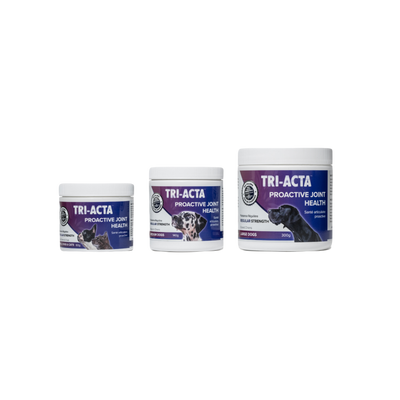
Integricare’s TRI-ACTA and TRI-ACTA H.A. supplements are formulated to support collagen, connective tissue, and joint lubrication, which can make movement more comfortable. At the same time, the skin heals and activity levels return to normal.
They’re made with 100% active ingredients and are easy to mix into daily meals.
Explore TRI-ACTA supplements to support comfort and mobility during recovery and beyond.
A proactive approach for developing and younger adult pets to maintain optimal joint health mobility, minimize inflammation and fend off age-related ailments.
TRI-ACTA for Pets
Share this post:



Proactive & Therapeutic Joint Supplements

When given daily, Integricare joint supplements recover bone and joint injuries faster and help prevent mobility injuries from happening in the first place.