

Table Of Contents
Seeing your dog limp can be unsettling—especially when you don’t know why it’s happening or how serious it might be. Limping isn’t a condition on its own; it’s a signal that something isn’t right, whether that’s a minor strain, a developing joint issue, or a more serious orthopedic problem. Because dogs can’t tell us where it hurts, it’s up to us to notice changes in how they move, rest, and play.
Whether your dog has suddenly started limping or has been favoring a leg for weeks, it’s not something to ignore. In this guide, we’ll walk through the most common causes of dog limping, how veterinarians diagnose and treat them, what you can do at home to support recovery, and—just as importantly—how to take preventative steps to protect your dog’s joints long term. Consider this your roadmap to understanding what your dog’s limp might mean and what to do next.
Key Takeaways
-
Limping is a symptom, not a diagnosis, and can signal anything from a minor strain to a serious joint or orthopedic condition.
-
Both sudden and gradual limping matter—acute limps often follow injury, while chronic limps usually point to joint wear or developmental issues.
-
Dogs often hide pain, so limping may be the earliest and most reliable sign that something is wrong.
-
Early evaluation leads to better outcomes, especially for conditions like arthritis, dysplasia, or ligament injuries.
-
Proactive joint care and lifestyle management play a critical role in supporting mobility, recovery, and long-term comfort.
Reasons Why Your Dog is Limping

Dog limping is a symptom. It signals discomfort, pain, or dysfunction with your dog’s bones, joints, muscles, tendons, or ligaments.
Before diving into specific causes, it helps to know how vets typically categorize limping:
-
Acute limping: Present for less than two weeks; often linked to injury or trauma
-
Chronic limping: Lasts longer than two weeks; commonly associated with degenerative or developmental conditions
-
Moderate limping: Your dog can bear some weight but walks unevenly
-
Severe limping: Your dog refuses to put weight on the affected limb
Dogs vary widely in pain tolerance. Some limp dramatically with minor strains, while others hide significant pain. If you see bleeding, an obviously abnormal limb position, or sudden non-weight-bearing, seek veterinary care immediately.
Injuries and Acute Trauma
Acute limping in dogs can appear suddenly and is often linked to a specific incident, like rough play, slipping on stairs or the floor, or impact during an activity (like playing fetch).
Broken Bone (Fracture)
A fracture is one of the most serious and time-sensitive causes of dog limping. Common signs of a fracture include:
-
Sudden, severe limping or a complete refusal to bear weight
-
Swelling, the affected area being hot to the touch
-
The dog holding their limb at an unnatural angle or having it visibly dangling
-
Significant pain (yelping, whining, and even aggression in some cases)
It’s important to realize that fractures are considered a medical emergency and require immediate veterinary care, including imaging (X-ray) and stabilization to heal properly. This is because any movement can cause the fracture to worsen, adding to recovery time and increasing the need for more aggressive and sustained treatment.
If you suspect your dog has a fracture, here are the things you should do right away:
-
Restrict movement as much as possible
-
If bleeding is present, apply gentle pressure to the area using a clean cloth if you can
-
Do not give your dog human pain medication—many are toxic to dogs
Strains and Sprains
Your dog might be limping due to a sprain or strain, which occurs when muscles, tendons, or ligaments are overstretched or torn.
Common triggers include:
-
Intense play or sudden bursts of activity (e.g., fetch with a frisbee or “zoomies”)
-
Slipping on smooth floors (tip: put a carpet down to give your dog some extra grip when they’re walking or running)
-
Awkward landings during running or jumping
Typical symptoms that you’ll likely see if your dog has a strain or sprain include:
-
Limping that worsens with activity (so you’ll want to encourage your dog to rest—kenneling them for a while is a good idea)
-
Swelling and/or warmth around the affected joint
-
Avoidance of the affected leg (meaning they don’t want to walk or lie on it)
In many cases, strains and sprains improve over time with rest, restricted activity, and a gradual return to regular movement. Maintaining a healthy body weight and providing regular, moderate daily exercise can also help with recurrence by supporting muscle and connective tissue strength.
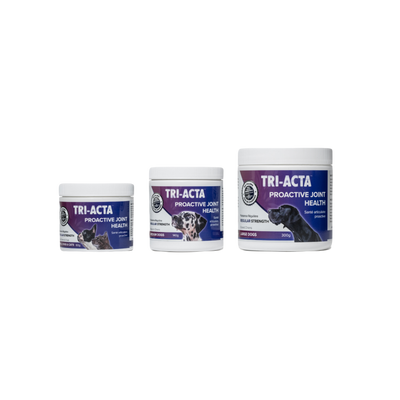
Giving your dog a daily joint supplement like TRI-ACTA is also a great way to give their body what it needs to strengthen and support their joints.
A proactive approach for developing and younger adult pets to maintain optimal joint health mobility, minimize inflammation and fend off age-related ailments.
TRI-ACTA for Pets
Paw injuries or nail trauma
Cuts, foreign objects (such as thorns or glass), cracked paw pads, or torn nails are common but easily overlooked causes of a dog limping on their front leg. Dogs may lick the paw excessively, hesitate to place it fully on the ground, or limp suddenly after being outdoors. A careful paw and nail inspection is always a good first step when front-leg limping appears abruptly.
When Dog Limping Is an Emergency (Red Flags You Shouldn’t Ignore)
Not every limp requires an emergency vet visit—but some absolutely do. Knowing when limping crosses the line from “monitor at home” to “seek immediate care” can protect your dog from unnecessary pain, complications, or long-term damage.
In general, sudden, severe, or rapidly worsening limping should always be taken seriously, especially if it limits your dog’s ability to move normally.
Signs That Require Same-Day or Emergency Veterinary Care
Seek immediate veterinary attention if your dog shows any of the following:
-
Complete refusal to bear weight on a leg
-
Visible deformity, dangling limb, or abnormal joint angle
-
Rapid swelling, heat, or extreme tenderness around a joint
-
Open wounds, deep cuts, or bleeding near the affected limb
-
Limping combined with lethargy, fever, or loss of appetite
-
Neurological signs, such as dragging a limb, knuckling, or sudden loss of coordination
These signs can indicate fractures, severe ligament injuries, joint infections, nerve involvement, or traumatic injuries that require immediate intervention.
Chronic Joint and Orthopedic Conditions
Chronic limping often develops gradually and worsens over time. Conditions like arthritis, luxating patella, and hip dysplasia are examples of common reasons why a dog might be continually limping. These conditions are especially common in aging dogs, large breeds, and dogs with genetic predispositions.
Arthritis (Osteoarthritis in Dogs)
Osteoarthritis in dogs is a degenerative joint condition caused by progressive wear on the cartilage in the joints. Over time, the cartilage can become so thin that the bones in the joint are basically rubbing together, causing poor movement and pain, resulting in your dog limping.
Common signs of arthritis include:
-
Gradual onset limping
-
Stiffness after rest or first thing in the morning
-
Reduced activity, slower rising (from sitting or laying down) or reluctance to exercise
-
Symptoms that worsen in cold weather or after excertion
While arthritis is often associated with senior dogs, it can occur at any age. A significant number of dogs develop arthritis during their lifetime, with some estimates sitting at 20% or more. Previous injuries, abnormal joint structure, genetic predisposition, and being overweight are just a few examples of causes of arthritis in dogs.
Weight management, including low-impact exercise (such as controlled walks or swimming), and veterinary-guided joint support can help maintain comfort and mobility. Many veterinarians also recommend joint supplements alongside medical treatment to help support cartilage integrity, reduce inflammation, and improve joint lubrication.
Luxating Patella
A luxating patella in dogs occurs when the kneecap slips out of its usual positon on the knee itself. This usually occurs from rougher activity, but can happen to your pup randomly just from walking normally if the condition is severe. As a reaction to the pain and instability, your dog may limp.
Key characteristics of a luxating patella include:
-
Intermittent skipping or hopping gait
-
Sudden lifting of the leg, followed by normal walking
-
More common in small and toy breeds
Over time, repeated kneecap displacement increases the friction on the joint (knee itself) and can acelerate cartilage deterioration. Mild cases may be managed conservatively, but more severe or persistent cases often require surgical correction to restore normal joint alignment and prevent long-term damage.
Hip Dysplasia
Hip Dysplasia in dogs is a developmental condition where the hip joint doesn’t form properly, and is characterized by the “ball” of the femoral head not fitting into the “socket” of the hip joint itself correctly. This results in pain and instability, and is a reason why your dog could be limping on one of their back legs.
Typical signs of hip dysplasia include:
-
Hind-leg limping or stiffness
-
Difficulty rising, climbing stairs, or jumping
-
“Bunny hopping” gait during running
This condition is most common in large and giant breeds and often appears gradually as the dog matures. Excess body weight significantly worsens symptoms by increasing joint stress.
While hip dysplasia cannot be prevented once it’s present, early intervention makes a difference. Weight control, structured excercise, and long-term joint support are commonly used to help manage discomfort and slow secondary arthritis progression alongside veterinary care.
Elbow Dysplasia
Elbow dysplasia in dogs is a developmental orthopedic condition most often seen in large and giant breeds. It results from abnormal joint formation during growth, leading to cartilage damage and early arthritis.
Common signs of elbow dysplasia include:
-
Intermittent or persistent front-leg limping
-
Stiffness after rest or when getting up
-
Shortened stride in the affected front leg
-
Reluctance to run, jump, or climb stairs
-
Outward rotation of the elbow or paw
-
Pain or discomfort when the elbow is flexed or extended
-
Shifting weight to the opposite front leg or hind legs as compensation
The Importance of a Daily Joint Supplement
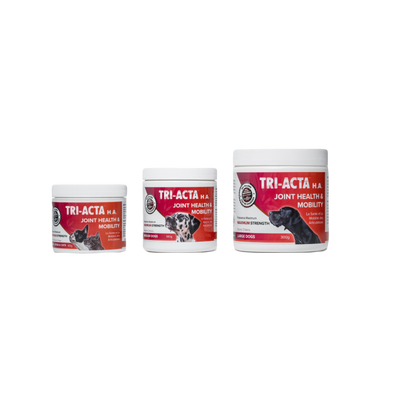
There are a wide range of conditions that can result in a dog limping. In every case, giving your dog a daily joint supplement like TRI-ACTA (regular strength) or TRI-ACTA H.A. (extra-strength version with hyaluronic acid for added movement support) is an effective way to strengthen your dog’s joints and reduce the pain, stiffness, and inflammation that leads to limping.
TRI-ACTA products contain key essential ingredients as outlined in the following table:
Key Ingredients in TRI-ACTA Joint Supplements

|
Active Ingredient |
How It Supports Your Dog’s Joints |
|
Glucosamine Sulfate / Glucosamine HCl |
Glucosamine sulfate provides sulfur, a critical building block for joint tissue that supports cartilage repair and maintenance. Glucosamine HCl is highly bioavailable, allowing your dog’s body to absorb and use it quickly—helping joints receive lubrication and protection sooner. |
|
Chondroitin |
Works synergistically with glucosamine for dogs to support cartilage repair while inhibiting enzymes that contribute to cartilage breakdown, helping preserve long-term joint integrity. |
|
MSM (Methylsulfonylmethane) |
A naturally occurring anti-inflammatory compound that helps reduce joint swelling and discomfort, making movement easier and more comfortable. |
|
Hyaluronic Acid (in TRI-ACTA H.A.) |
Increases the viscosity of synovial fluid within the joint, improving lubrication, reducing friction, and supporting smoother, pain-free movement. |
TRI-ACTA supplements, when given daily, actually treat the underlying joint issue rather than masking the pain and discomfort like non-steroidal anti-inflammatory drugs (NSAIDs) do by giving your dog’s body what it needs to regenerate and strengthen cartilage and joint structures. Over time, this results in your dog being able to move better and with less or no pain.
Our maximum strength formula is optimally designed to accelerate the formation of cartilage, minimize inflammation, expedite the healing process, and improve joint conditions.
TRI-ACTA H.A. for Pets
Why Is My Dog Limping After Rest?
When limping shows up most noticeably after rest, it often points to joint mechanics rather than muscle injury. In these cases, the issue isn’t damage that worsens with use—it’s stiffness that develops during inactivity and improves once the joint is moving again.
What’s Happening Inside the Joint During Rest
Healthy joints rely on movement to maintain lubrication and nutrient exchange. During periods of inactivity:
-
Joint cartilage receives fewer nutrients
-
Synovial fluid thickens instead of circulating freely
-
Surrounding soft tissues lose elasticity
When your dog stands up after resting, the joint briefly struggles to move efficiently, resulting in stiffness and a temporary limp. As movement continues, fluid redistributes, tissues warm, and mobility improves.
Why This Pattern Matters Clinically
Limping after rest is often one of the earliest functional signs of joint degeneration, appearing before constant pain or obvious activity avoidance. Dogs may still run, play, and appear energetic—making this pattern easy to dismiss.
However, this type of limping often:
-
Becomes more frequent over time
-
Takes longer to “work out”
-
Progresses from occasional stiffness to daily limitation
Because dogs compensate extremely well, this pattern can persist for months before owners realize it reflects an ongoing joint issue.
When Limping After Rest Is More Concerning
Rest-related limping deserves closer attention if you notice:
-
Stiffness lasting longer than a few minutes
-
Limping that returns multiple times per day
-
Gradual reduction in overall activity or endurance
-
Hesitation before getting up, even when motivated
These signs suggest the joint is struggling to recover fully between rest periods—an indication that supportive intervention may be needed.
Why Early Joint Support Makes a Difference
Addressing rest-related limping early helps reduce secondary joint damage caused by compensation. When one joint moves poorly, others take on additional load, accelerating wear elsewhere in the body.
Early strategies often focus on:
-
Improving joint lubrication
-
Supporting cartilage resilience
-
Maintaining balanced muscle support
These measures can slow progression and preserve comfortable movement long before limping becomes constant.
My Dog Is Limping but Doesn’t Seem to Be in Pain—Why?
It can be confusing (and concerning) when yor dog is clearly limping but doesn’t cry, yelp, or react as if they are in any sort of pain. In many cases, this is normal canine behaviour and doesn’t necessarily mean that your dog is comfortable or that the issue is minor.
Dogs Are Instinctively Good at Hiding Pain
Dogs have evolved to mask signs of weakness and pain as a defence mechanism. As a result, many dogs will continue eating, playing, and interacting normally, even when they are experiencing significant discomfort. This is especially true for stoic breeds (e.g., Akita, Shiba Inu, Greyhound) and dogs with high pain tolerance.
Becuase of this instinct, limping is often one of the earliest and most reliable outward signs of pain, even when other signals are absent.
Chronic Joint Conditions Don’t Always Look Painful
Conditions such as arthritis, hip dysplasia, or other degenetative joint diseases tend to cause low-grade, ongoing discomfort rather than constant sharp pain. Dogs end up adapting to this discomfort gradually, which means they may not vocalize or react dramatically when moving.
Over time, your dog may simply alter how they move to avoid stressing the affected joint, resulting in a limp that appeas without them being in obvious distress.
Subtle Signs That Your Dog May Be Uncomfortable
Even if your dog isn’t crying or whimpering, watch for these less obvious indicators of joint discomfort:
-
Slower walking pace or lagging behind on walks
-
Reluctance to jump onto furniture or into the car
-
Shortened strides or uneven gait
-
Stiffness after rest that improves with movement
-
Hesitation when using stairs
-
Shifting weight off one limb when standing
These small changes often develop gradually, making them easy to miss—especially in older dogs or those with chronic joint wear.
Treatment Options for a Limping Dog

Treatment for a limping dog starts with understanding why your dog is limping in the first place, whether that be soft tissue injuries, a fracture, or chronic join disease. Your veterinarian will first focus on getting a proper diagnosis before recommending any treatment.
Depending on what’s suspected to be the cause of the limping, your vet may use diagnostic tools like X-rays, a CT scan, or MRI imaging to identify the underlying cause and determine the most appropriate course of action. From there, treatment typically falls into three complemenatary categories: veterinary car, at-home treatment, and long-term joint management.
Veterinary Treatments
Veterinary intervention is pretty much always needed when limping is moderate to severe, sudden in onset, or persistent.
NSAIDs
Non-steroidal anti-inflammatory drugs are commonly prescribed to reduce pain and inflammation (swelling) associated with joint conditions or injuries.
Common veterinary-prescribed NSAIDs for dogs include:
|
Drug Name |
Available Forms |
|
Carprofen |
Chewable tabletsCaplets/tabletsInjectable solution (veterinary use) |
|
Deracoxib |
Chewable tablets |
|
Robenacoxib |
Oral tabletsInjectable solution |
|
Meloxicam |
Oral liquid suspensionOral tabletsInjectable solution |
These medications are highly effective, but they must be prescribed and monitored by a veterinarian. Human over-the-counter medications should never be given to dogs, as many are toxic. Even veterinary NSAIDs can cause side effects like upset stomach, decreased appetitite, or diarrhea, which is why dosing and regular follow-up matters.
Diagnostic Imaging
Diagnostic imaging allows veterinarians to see what can’t be confirmed through a physical exam alone, making it a critical step when the cause of limping isn’t obvious or when symptoms persist. Different imaging tools are used depending on whether the suspected issue involves bone, cartilage, soft tissue, or neurological structures.
X-rays (Radiographs)
X-rays are typically the first imaging step when a dog is limping. They are most effective for evaluating bone and joint structure and are commonly used to identify:
-
Fractures or stress fractures
-
Joint malformations such as hip or elbow dysplasia
-
Arthritic changes, including joint space narrowing and bone spurs
-
Advanced joint degeneration or deformity
X-rays provide a static image of bones and joints and are widely available in general veterinary practices. While they are excellent for hard tissue evaluation, they do not show ligaments, tendons, or cartilage in detail.
Ultrasound
Ultrasound is often used when a soft-tissue injury is suspected or when swelling makes interpretation difficult with X-rays alone. This imaging method is particularly useful for evaluating:
-
Tendons and ligaments
-
Muscle tears or strains
-
Joint effusion (excess fluid within a joint)
-
Soft-tissue masses or localized inflammation
Ultrasound allows for real-time visualization of movement, which can help identify abnormal motion or fluid accumulation around joints. It is non-invasive and does not require radiation, though image quality depends heavily on the operator’s experience.
Magnetic Resonance Imaging (MRI)
MRI provides highly detailed images of soft tissues, cartilage, ligaments, nerves, and spinal structures. It is most often recommended when:
-
Cruciate ligament tears are suspected but unclear
-
Spinal or neurological involvement is possible
-
Chronic limping persists without a clear diagnosis
-
Surgical planning requires precise anatomical detail
MRI is typically performed at referral or specialty hospitals and often requires general anesthesia to keep the dog completely still during imaging.
Computed Tomography (CT Scans)
CT scans produce detailed cross-sectional images and are especially helpful for evaluating:
-
Complex fractures
-
Joint surfaces and subtle bone abnormalities
-
Elbow dysplasia and other intricate joint conditions
-
Areas that are difficult to assess with standard X-rays
CT imaging offers greater detail than standard radiographs and is frequently used for surgical planning or when overlapping structures make X-ray interpretation challenging.
Why Imaging Choice Matters
Selecting the right imaging modality helps ensure an accurate diagnosis, minimizes unnecessary testing, and guides the most effective treatment plan—whether that involves medical management, rehabilitation, or surgery.
Surgery for Fractures, Ligament Tears, or Severe Dysplasia
In some cases, surgery is the best—or only—option to restore mobility. This may include:
-
Repairing broken bones
-
Stabilizing torn ligaments (such as CCL injuries)
-
Correcting severe hip or elbow dysplasia
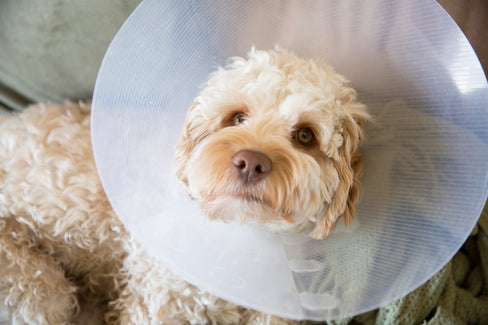
Post-surgical recovery often involves activity restriction, use of a cone to prevent licking, and sometimes splints or casts. Temporary confinement, such as crate rest, is commonly recommended to protect healing tissues.
At-Home and Supportive Care
Whether your dog is recovering from injury or managing a chronic condition, supportive care at home plays a major role in comfort and healing.
Short-Term Rest and Activity Restriction
Limiting activity helps prevent further injury and allows tissues to heal. This may include removing toys, avoiding stairs, and restricting running or jumping during recovery.
Environmental Modifications
Simple changes in your home can significantly reduce strain on sore joints:
-
Use ramps to reduce jumping onto furniture
-
Add non-slip mats or rugs on smooth floors
-
Keep food, water, and resting areas easily accessible
-
Provide multiple comfortable resting spots throughout the home
These adjustments are especially helpful for dogs with arthritis or mobility limitations.
Cold or Warm Therapy (Vet-Guided)
Cold therapy may be recommended in the short term to reduce inflammation after acute injuries, while warm therapy can help ease stiffness in dogs with chronic joint conditions. Always follow veterinary guidance to ensure these therapies are used safely and appropriately.
Joint Supplements as Part of a Long-Term Plan
Every dog can benefit from a daily joint supplement. They are an important component of long-term joint management.
Joint supplements are designed to:
-
Support cartilage health
-
Improve joint lubrication
-
Reduce inflammation and stiffness over time
Joint supplements are often used proactively or alongside veterinary treatments, not as a replacement for medical care. When used consistently, they can help support mobility, comfort, and quality of life—particularly in dogs with chronic or degenerative joint conditions or those recovering from orthopedic injuries.
Dog Limping Preventative Measures

While not every cause of limping can be prevented, many mobility issues develop gradually and are influenced by lifestyle, body condition, and activity patterns. Taking a proactive approach—especially early in life—can significantly reduce joint stress and lower the risk of chronic limping as your dog ages.
1. Weight Management
Maintaining a healthy body weight is one of the most effective ways to protect your dog’s joints.
-
Excess weight increases mechanical stress on weight-bearing joints such as the hips, knees, elbows, and shoulders
-
Even small amounts of extra weight can accelerate cartilage wear and worsen existing joint conditions
-
Lean dogs consistently show better mobility and slower progression of arthritis over time
Regular weigh-ins and portion control, combined with appropriate exercise, play a critical role in long-term joint health.
2. Breed-Specific Planning
Consistent movement helps keep joints healthy—but how your dog exercises matters.
Low-impact activities:
-
Build and maintain muscle that stabilizes joints
-
Improve circulation and joint lubrication
-
Reduce stiffness without overloading cartilage
Examples include controlled leash walks, swimming, and gentle incline walking. These activities strengthen supportive muscles while minimizing repetitive impact on joints.
3. Observing Play and Activity
High-energy play can be beneficial—but unchecked impact adds up over time.
-
Avoid repetitive high-impact movements such as constant jumping or hard stops
-
Monitor rough play with other dogs, especially during growth phases
-
Limit activities that involve twisting, slipping, or jumping from heights
Structured play and rest periods help prevent overuse injuries and cumulative joint stress.
4. Joint Supplements
Joint supplements like TRI-ACTA are often used as part of a preventative mobility strategy, not just after problems appear.
When used proactively, joint supplements can:
-
Support cartilage integrity
-
Promote joint lubrication
-
Help manage inflammation before damage becomes advanced
This is particularly relevant for large breeds, athletic dogs, and dogs entering senior years, as well as those recovering from injuries. Supplements are best viewed as long-term support, working alongside proper nutrition, exercise, and veterinary care to help maintain comfortable, confident movement. If your dog is already experiencing joint issues, then TRI-ACTA H.A. is a better choice. The addition of hyaluronic acid provides additional joint lubrication that assists with movement, helping your dog feel more comfortable even if they’re experiencing chronic joint issues.
Our maximum strength formula is optimally designed to accelerate the formation of cartilage, minimize inflammation, expedite the healing process, and improve joint conditions.
TRI-ACTA H.A. for Pets
Frequently Asked Questions (FAQ) About Dog Limping
Should I Restrict My Dog’s Movement as Soon as I Notice Limping?
Yes—temporarily limiting activity is a smart first step. Avoid running, jumping, and rough play until the cause is identified. This helps prevent minor issues from worsening while you monitor changes or wait for a veterinary appointment.
Is It Okay if My Dog’s Limp Comes and Goes?
Intermittent limping still matters. Even if your dog appears normal between episodes, recurring limping often indicates an underlying joint or orthopedic issue that benefits from early assessment.
Can Growth Stages Affect Limping in Puppies?
Yes. Rapid growth, especially in large and giant breeds, can temporarily stress developing bones and joints. While some awkward movement can be normal, persistent limping during growth should always be evaluated.
Does Weather Really Affect Limping in Dogs?
Many dogs with joint conditions show increased stiffness or discomfort during cold, damp weather. While weather isn’t the cause, it can amplify existing joint sensitivity.
Can Flooring Inside My Home Make Limping Worse for My Dog?
Absolutely. Slippery surfaces force dogs to overcompensate for traction, increasing joint strain and risk of injury. Improving traction indoors can noticeably improve comfort for dogs with mobility issues.
Is a Dog Limping Always Related to a Leg?
Not always. Spinal issues, nerve compression, or referred pain from the hips or back can cause limping that appears leg-related. This is one reason diagnostic imaging is sometimes necessary.
Can Joint Supplements Be Started Before a Diagnosis?
In many cases, yes. Joint supplements are commonly used proactively in at-risk dogs and are generally safe when used as directed. However, they should complement—not delay—diagnosis if limping persists.
What Changes in My Dog Should I Track Before a Vet Visit?
Make note of:
-
When the limp started
-
Whether it’s getting better, worse, or staying the same
-
Which leg is affected
-
Whether rest or activity changes the limp
-
Any recent changes in exercise, environment, or behaviour
This information helps your veterinarian make faster, more accurate decisions.
If My Dog Adapts to the Limp, Is Treatment Still Necessary?
Yes. Dogs often compensate rather than recover. Adaptation can shift stress to other joints, increasing the risk of secondary injuries or accelerated joint wear over time.
Conclusion: What Dog Limping Means for Long-Term Health
Dog limping can stem from many different causes, ranging from temporary soft-tissue injuries to chronic joint and developmental conditions. While some limps resolve quickly with rest, others are early warning signs of ongoing joint wear that benefit from prompt attention and long-term management. Recognizing patterns—such as limping after rest, changes in activity level, or subtle gait adjustments—can make a meaningful difference in outcomes.
The most effective approach combines early veterinary evaluation, thoughtful at-home support, and proactive joint care. Maintaining a healthy weight, guiding exercise appropriately, modifying your dog’s environment, and supporting joint health daily all work together to reduce pain, preserve mobility, and improve quality of life.
Ultimately, limping isn’t just about the leg—it’s about your dog’s overall comfort and ability to move confidently through life. By staying observant and proactive, you give your dog the best chance to stay active, comfortable, and happy at every stage.
Purchase TRI-ACTA online or learn where to buy at a store near you.
A proactive approach for developing and younger adult pets to maintain optimal joint health mobility, minimize inflammation and fend off age-related ailments.
TRI-ACTA for Pets
Share this post:


Proactive & Therapeutic Joint Supplements

When given daily, Integricare joint supplements recover bone and joint injuries faster and help prevent mobility injuries from happening in the first place.