

Table Of Contents
A healthy gut is the quiet engine behind your cat’s energy, glossy coat, steady mood, and strong immunity. This guide explains the feline microbiome, how to spot balance vs. imbalance, and the most common digestive issues to watch for.
You’ll find practical, vet-friendly strategies—from food and hydration to stress reduction and targeted supplements—plus how microbiome testing and life-stage tweaks (kitten, adult, senior) can help you personalize care. The goal: simple, sustainable choices that keep your cat comfortable today and resilient for years.
Understanding Cat Gut Health
Beneath the surface of your feline’s soft fur lies a complex internal world—the gut—that quietly shapes everything from nutrient absorption to mood and immunity. By understanding cat gut health, you can help support their overall well-being.
What the Feline Gut Microbiome Is and How It Works
Your cat’s gut is a thriving ecosystem of trillions of microorganisms—collectively called the gut microbiome—that influence digestion, nutrient absorption, immunity, and even mood.
When balanced, beneficial bacteria break down food, produce vitamins, and protect against harmful microbes while keeping the immune system in check. But when this balance is disrupted by antibiotics, stress, or poor diet, harmful bacteria can overgrow, leading to inflammation, digestive upset, and wider health problems.
Signs of a Healthy vs. Imbalanced Gut
Your cat’s digestive health often reveals itself through everyday habits and subtle physical cues. By observing their stool, appetite, coat, and behaviour, you can get a good sense of whether their gut is functioning as it should—or if something’s off balance.
Here’s a quick reference outlining the key differences between a healthy and imbalanced feline gut:
|
Indicator |
Healthy Gut |
Imbalanced Gut (Dysbiosis) |
|
Digestion and Stool |
Regular, well-formed stools with minimal odor |
Loose stools, constipation, or frequent diarrhea |
|
Appetite and Eating Habits |
Consistent appetite and normal eating behaviour |
Picky eating, loss of appetite, or overeating |
|
Coat and Skin |
Glossy coat, minimal shedding, and hydrated skin |
Dull coat, excessive shedding, dry or flaky skin |
|
Energy and Behaviour |
Active, playful, and alert |
Lethargic, moody, anxious, or irritable |
|
Breath and Oral Health |
Neutral-smelling breath, healthy gums |
Persistent bad breath or inflamed gums |
|
Digestive Comfort |
No bloating, gas, or discomfort after meals |
Frequent vomiting, burping, or visible abdominal discomfort |
|
Overall Wellness |
Strong immunity and steady weight |
Frequent illness, weight loss, or allergies |
When you start noticing multiple signs from the “imbalanced” column, it’s worth consulting your veterinarian and reviewing your cat’s diet, environment, and stress levels. Small adjustments to nutrition or supplementation can often restore balance and improve your cat’s long-term health.
Why Digestive Health Impacts Skin, Coat, Mood, and Longevity
A cat’s gut and skin are connected through the gut-skin axis, meaning that poor digestion or nutrient absorption can quickly show up externally. When beneficial bacteria are depleted, the body may struggle to produce or utilize key nutrients like omega fatty acids, leading to dry, itchy skin or excessive dander.
Similarly, the gut-brain axis, a two-way communication channel between the intestines and the central nervous system, plays a major role in mood and stress regulation. Cats with healthy gut flora often display more stable temperaments, while imbalances can contribute to anxiety, aggression, or withdrawal.
In the long term, maintaining a balanced microbiome supports immune resilience. Roughly 70–80% of a cat’s immune cells are located in the gut, so a healthy digestive system means a stronger defence against infection, slower cellular aging, and better overall vitality.
Common Gut Health Issues in Cats
Even well-cared-for indoor cats can develop digestive issues, but frequent problems often signal an imbalance in the gut microbiome. Recognizing common digestive disorders and their causes helps you take proactive steps to restore balance and support your cat’s long-term health.
Food Sensitivities and Allergies
One of the most common triggers of gut irritation in cats is food sensitivities and allergies. Here is the difference between the two:
|
Food Allergy |
Food Intolerance/Sensitivity |
|
Adverse reactions that involve the immune system (itching, respiratory problems, hair loss, and infections) |
Adverse reactions that do not involve the immune system (usually localized to the digestive system, such as diarrhea, vomiting, and gas) |
Both food allergies and sensitivities develop over time. For cats, allergies and intolerance are often attributed to wheat and other grains, chicken, beef, fish, or dairy. Regardless of whether the problem is intolerance or allergy, the solution is the same: a diet elimination trial. This is usually an 8-week period where your cat can only eat the food that’s recommended by your veterinarian. This means no treats or any other food can be given to your cat; otherwise, the trial won’t be effective in giving you a definitive answer.
Constipation, Diarrhea, and Chronic GI Upset
Occasional constipation or diarrhea is normal, but frequent episodes often signal a deeper issue such as diet imbalance, allergies, or microbiome disruption. Constipation may stem from low fiber, dehydration, or inactivity, while diarrhea can result from food changes, infection, or stress. Supporting hydration, adding prebiotic fiber, and using vet-approved probiotics can help restore balance—but if symptoms last more than a few days, consult your veterinarian.
Inflammatory Bowel Disease (IBD) and Gut Inflammation
Inflammatory Bowel Disease (IBD) is a chronic condition in which a cat’s immune system overreacts to normal substances—like food or gut bacteria—causing ongoing inflammation in the digestive tract. This thickens the intestinal walls, disrupts nutrient absorption, and leads to chronic digestive problems.
Common signs include:
-
Repeated vomiting or diarrhea
-
Loss of appetite or weight
-
Lethargy and abdominal discomfort
While the exact cause is unknown, IBD likely results from a mix of immune dysfunction, microbiome imbalance, genetics, and environmental or dietary triggers. It can affect different parts of the GI tract—most often the small intestine (lymphocytic-plasmacytic enteritis).
The Link Between Antibiotics, Stress, and Microbiome Imbalance
Antibiotics, though sometimes necessary, can disrupt the gut by eliminating beneficial bacteria along with harmful ones—leading to digestive issues, weaker immunity, and recurring infections. Chronic stress from changes in routine, new pets, or loud noises can have a similar effect, upsetting gut balance through the gut-brain axis. To protect your cat’s microbiome, complete antibiotic courses as prescribed, follow with probiotics, and reduce stress through consistent routines and a stable, enriching environment.
How to Improve Cat Gut Health Naturally

Daily habits, hydration, and emotional well-being influence a balanced feline microbiome. By supporting the gut naturally through proper nutrition, routine, and stress reduction, you can strengthen digestion, improve nutrient absorption, and help your cat maintain long-term vitality.
Practical Lifestyle and Diet Strategies
1. Choose a Highly Digestible Diet
Cats are obligate carnivores, meaning their digestive systems are built for animal protein, not fillers like corn or wheat. Select foods with clearly listed meat ingredients (meat or poultry = flesh, meat or poultry byproducts = organs, fatty tissues, and bones; meals = blood, fur, hair, hooves and horns; byproduct meals = stomach contents, feathers, and sometimes manure), limited additives, and minimal carbohydrates. A clean, protein-rich diet reduces the workload on your cat’s gut and encourages a healthy balance of intestinal bacteria.
2. Add Prebiotics and Probiotics
Prebiotics (like pumpkin, inulin, or cat-specific probiotic supplements) nourish beneficial gut bacteria, while probiotics (non-digestible fibres) add more of these microbes to the digestive tract. Together, they can help regulate stool consistency, minimize gas, and improve immune response. Always choose vet-approved, feline-specific probiotics to ensure safety and efficacy.
3. Introduce Dietary Changes Gradually
Cats thrive on consistency. Abruptly switching foods can shock the gut microbiome and cause diarrhea or vomiting. Transition to new diets over 7–10 days by mixing small amounts of the new food with the old food, increasing the ratio over time.
For example:
-
Days 1–2: Mix 85% of the old food with 15% of the new food.
-
Days 3–4: Mix 75% of the old food with 25% of the new food.
-
Days 5–6: Mix 50% of the old food with 50% of the new food.
-
Days 7–8: Mix 25% of the old food with 75% of the new food.
-
Days 9–10: Transition to 100% new food.
4. Incorporate Joint Supplements
While joint supplements don’t directly benefit a cat’s digestive system, some commonly found ingredients in them may have a positive impact on cat gut health. Glucosamine has shown some potential for improving digestive issues, but the more interesting link to gut health is helping with feline idiopathic cystitis (FIC), as some cat owners in one study reported that giving their cats with FIC glucosamine helped improve their condition.
In addition, ingredients like Methylsulfonylmethane (MSM) work to reduce inflammation, which can also potentially help cats with digestive problems by reducing inflammation in the gut and intestines.
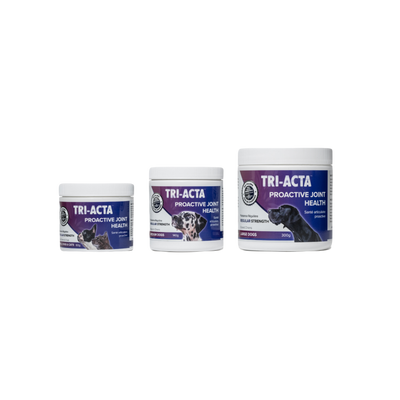
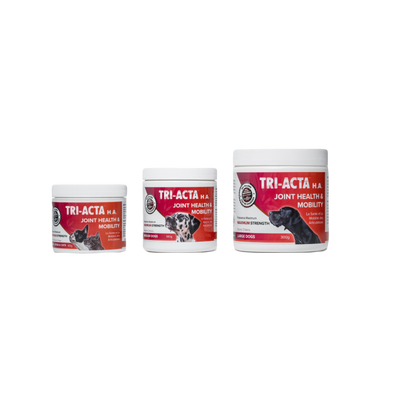
TRI-ACTA contains two types of glucosamine, chondroitin, and MSM, and while its main purpose is to support joint health, you may just find that it improves your cat’s digestive health as well. Also, since the supplement has 100% active (and natural) ingredients, dosages are small and easy to hide in your cat’s food.
A proactive approach for developing and younger adult pets to maintain optimal joint health mobility, minimize inflammation and fend off age-related ailments.
TRI-ACTA for Pets
Importance of Hydration and Moisture-Rich Diets
Cats have a naturally low thirst drive and get most of their water from food, yet dry kibble contains only about 10% moisture compared to 70–80% in wet or raw diets. Without enough hydration, waste moves slowly through the intestines, leading to constipation and poor digestion.
To keep your cat hydrated:
-
Include wet or raw food in their diet
-
Add warm water or unsalted bone broth to meals
-
Use a cat water fountain to encourage drinking
-
Place fresh water bowls in several spots around the home
Proper hydration aids digestion, supports nutrient absorption, and promotes healthy gut bacteria—one of the easiest ways to strengthen overall gut health.
Stress Management and Environmental Enrichment
A cat’s gut health is deeply connected to its emotional state because of the gut-brain axis, so if your kitty is stressed, that triggers hormonal changes that can affect their digestion and alter the balance of gut bacteria. Research analyzed how stress affects a cat’s central threat response system (CTRS) by using a process developed for human children called the ecobiodevelopmental framework. This framework looks at a child’s entire life and acknowledges that not all stressful events that activate the CTRS are equally threatening (some stress is brief and small, having a negligible effect on the child’s health, while highly stressful events have a big effect). Events are categorized into mild, moderate, and severe categories.
When applied to cats, it was found that, like children, stressful events early in life can cause a variety of lifelong health issues, including urinary tract infections, altering of the immune system and gut microbiota, and a bigger negative stress response due to feeling like they have less control over their environment.
To ensure a stress-free lifestyle for your cat, you should provide:
-
A stable, responsive environment that gives your cat consistency and a feeling of being safe. This supports their learning and development of adaptive capacities (specifically resilience and coping mechanisms) that help them effectively regulate their CTRS. Super-stressed cats usually prefer a quiet environment.
-
A safe environment that promotes active exploration without significant risk of harm. These could include things like a catio for outdoor experiences, a cat tree or cat-friendly platforms in your home for climbing and viewing their environment from above, and eliminating any plants that could harm your cat if they chewed on them.
-
Good nutrition that is appropriate for their age. Aside from making sure you’re giving your kitten a higher-calorie cat food and ensuring that your senior cat takes their daily cat joint supplement, you should also keep them at an ideal weight to ensure they have a good body condition score (a framework that helps you determine whether your cat is too thin or too chunky).
If you’ve adopted a cat or rescued one from a less-than-ideal situation, it’s not too late. Even later in the cat’s life, providing an environment that reduces its perceptions of threats and enhances its perceptions of control can still promote resilience, which will improve your cat’s overall health and wellness.
Cat Gut Health Food: Choosing the Right Diet
Not all cat foods are created equal when it comes to promoting their gut health. While marketing buzzwords like “digestive support” are everywhere, the true effectiveness of a gut-health-friendly diet lies in its ingredient quality, moisture content, and ability to support the gut microbiome.
Whether you’re navigating pet store shelves or reviewing vet-recommended options, knowing what food to look for and what to avoid can make all the difference in your cat’s digestive and overall health.
What Makes Cat Food for Gut Health Effective?
Effective cat food for gut health focuses on supporting the gut microbiome, maintaining a healthy gut lining, and promoting easy digestion. This is achieved by using high-quality, minimally processed ingredients with functional nutrients that benefit the digestive tract.
The best foods are:
-
High in animal protein
-
Moisture-rich to promote hydration and smooth digestion
-
Free (or containing low amounts of) artificial preservatives, colours, fillers, and other additives
-
Enriched with gut-friendly ingredients like fibre, prebiotics, and probiotics
Key Ingredients to Look For
Choosing the right cat food for gut health means checking the label for specific ingredients formulated to improve or maintain your cat’s gut microbiome.
Fibre
Soluble and insoluble fibres help regulate stool consistency, reduce hairball formation, and support healthy bowel movements. Examples include pumpkin, psyllium husk, beet pulp, and flaxseed.
Probiotics
Live beneficial bacteria, such as Lactobacillus or Enterococcus faecium, help repopulate your cat’s gut with good bacteria and strengthen their immune system. Look for feline-specific strains added after cooking to preserve viability.
Prebiotics
These are non-digestible fibers that “feed” good bacteria in the gut. Common sources include inulin, chicory root, oligofructose (a soluble dietary fibre derived from chicory root, so that ingredient or this one would suffice), and fructooligosaccharides (abbreviated to FOS, a plant sugar or carbohydrate).
Omega-3s
Anti-inflammatory fatty acids like EPA and DHA (from fish oil for cats or algae) help soothe the gut lining and support microbiome balance. They also benefit the skin, coat, and joints.
Risks of Heavily Processed Kibble vs. Wet, Raw, or Gently Cooked Diets
While kibble is convenient and shelf-stable, it’s often high in carbohydrates and low in moisture—two factors that can hinder digestion and put strain on the gut.
Drawbacks of dry kibble:
-
Only around 10% moisture, which isn’t enough hydration unless your cat is drinking enough water (and cats often don’t)
-
High-temperature processing (typical of dry kibble) may destroy nutrients and probiotics or lessen their effectiveness
-
Often includes starchy binders or fillers that disrupt gut bacteria
In contrast, wet, raw, or gently-cooked diets typically:
-
Contain up to 75% moisture, improving hydration
-
Include fresher, less-processed ingredients
-
Have better digestibility and bioavailability of nutrients
-
Support gut flora and reduce inflammation
Comparing Gut Health Cat Food vs. Therapeutic Vet-Prescribed Diets
Therapeutic gut-health diets prescribed by veterinarians are designed for cats with diagnosed GI conditions such as IBD, food sensitivities, or pancreatitis. These diets are often hydrolyzed (proteins broken down into smaller pieces to reduce an immune system reaction) or contain limited ingredients to minimize triggers.
However, they may not be necessary for every cat with digestive upset. For mild to moderate gut concerns, commercial gut-supportive foods with the right ingredients can be just as effective, without you having to eat (ha, see what we did there) the high cost of prescription food.
Comparison Table: Gut Health Diet Options
|
Feature |
Commercial Gut Health Food |
Vet-Prescribed Diet |
|
Purpose |
Supports general digestive health |
Treats diagnosed GI disorders |
|
Protein Source |
Whole, named meats (e.g., chicken, turkey) |
Often hydrolyzed or novel protein |
|
Fiber, Prebiotics, Probiotics |
Often added for digestive balance |
Carefully controlled amounts based on medical needs |
|
Availability |
Over-the-counter (pet stores or online) |
Requires a vet prescription |
|
Cost |
Typically lower |
Typically higher |
|
Best for |
Mild GI issues, maintenance, and prevention |
IBD, food allergies, severe GI symptoms |
The Cat Gut Health Test: Measuring What You Can’t See

Digestive issues in cats can be subtle, chronic, or appear in secondary signs like skin problems or behavioral changes. That’s why sometimes, the best way to understand what’s going on inside your cat’s gut health is a gut health test. These tests analyze cat’s microbiome to give a clearer picture of their internal health and help guide more personalized nutrition and care.
What a Cat Gut Health Test Involves (Microbiome Analysis)
A cat gut health test usually involves a microbiome analysis, which identifies and quantifies the bacteria living in your cat’s digestive tract. The non-invasive process typically involves collecting a stool sample at home and sending it to a specialized lab.
Once analyzed, the results often include:
-
A bacterial diversity score (how many different beneficial bacteria are present)
-
The presence of pathogenic or overgrown bacteria
-
Levels of short-chain fatty acid production (important for gut lining and immune health)
-
Identification of potential imbalances or missing microbial groups
Some companies also test for yeast, parasites, or inflammation markers, offering a more complete picture of your cat’s gut health. Your veterinarian should be able to recommend what microbiome analysis your cat should get.
When It’s Worth Investing in Testing
Microbiome testing can be a game-changer when:
-
Your cat has chronic vomiting, diarrhea, or constipation
-
Symptoms persist despite dietary changes or probiotics
-
Your cat has a history of antibiotic use or long-term medication
-
There are recurring skin issues, allergies, or signs of inflammation
-
You want to create a personalized wellness plan for an aging or immunocompromised cat
Testing may also help avoid unnecessary medications or food trials, saving time and money in the long run.
How Results Guide Personalized Nutrition and Supplement Choices
The most valuable aspect of gut testing is that it turns guesswork into strategy. Based on the findings, cat parents and vets can tailor:
-
Probiotic strains to replenish missing or underrepresented bacteria
-
Dietary adjustments, such as increasing prebiotic fiber or switching protein sources
-
Anti-inflammatory supplements like omega-3s, digestive enzymes, or postbiotics
Some microbiome tests also offer custom supplement recommendations or meal plans based on your cat’s unique gut profile.
Improve Cat Gut Health Across Life Stages
The first few months of life are crucial for shaping a kitten’s gut microbiome. At birth, a kitten’s gut is nearly sterile, but it quickly becomes populated with bacteria through nursing, grooming, and interaction with their environment. This microbial foundation helps build a resilient immune system and healthy digestion.
Kittens
-
Feed a high-quality, kitten-specific diet rich in protein and easily digestible nutrients.
-
Introduce probiotics (with veterinary approval) after weaning or antibiotic use to encourage diverse, beneficial bacteria.
-
Avoid rapid diet changes that could overwhelm your kitten’s developing digestive system.
-
Encourage gentle play and exposure to different environments to naturally strengthen immunity.
A strong microbiome early in life sets the stage for fewer digestive sensitivities, better nutrient absorption, and a healthier transition into adulthood.
Adults
For adult cats, the goal shifts from building to maintaining a balanced microbiome. Diet, stress, and inactivity are the biggest disruptors during this phase. A stable gut supports energy, skin health, mood, and disease resistance—so consistency is key.
To maintain gut balance in adult cats:
-
Offer a protein-focused, moisture-rich diet with prebiotic fibers for steady digestion.
-
Incorporate feline-specific probiotics during stressful periods, travel, or medication use.
-
Prevent boredom and stress with environmental enrichment, regular play, and routine feeding times.
-
Consider supplements like TRI-ACTA for anti-inflammatory support, which can benefit both the joints and the gut lining.
When cared for properly, adult cats enjoy optimal digestion and a strong immune defense that reduces the likelihood of chronic conditions later in life.
Seniors
As cats age, their metabolism slows, gut motility decreases, and beneficial bacteria diversity often declines. This makes digestion less efficient and can contribute to weight loss, constipation, or nutrient deficiencies. A senior cat’s diet should be gentle on the stomach while still providing complete nutrition.
To support senior gut health:
-
Choose soft, moisture-rich foods (wet or gently cooked) to aid digestion and hydration.
-
Ensure protein remains high-quality and easily digestible to maintain muscle mass.
-
Add probiotics, omega-3s, and anti-inflammatory supplements to support gut barrier function and reduce inflammation.
-
Encourage hydration with water fountains or broth-topped meals to prevent constipation.
Regular vet visits are also essential, as subtle digestive changes in senior cats can signal larger health issues. With thoughtful nutrition and supportive care, older cats can maintain digestive comfort and quality of life well into their golden years.
Conclusion
Keeping your cat’s digestion on track isn’t about a single “miracle” food—it’s about consistent, small wins: moisture-rich, protein-forward meals; gradual diet changes; smart use of pre-/probiotics; and a low-stress, enriching environment. If symptoms persist, microbiome testing and your veterinarian’s guidance can turn guesswork into a tailored plan. Whether you’re building a strong foundation for a kitten, maintaining balance in an adult, or easing digestion for a senior, the same principle holds: support the gut, and the rest of your cat’s health follows.
Giving your cat a joint supplement may have unexpected benefits for their digestive health. Give TRI-ACTA a try today.
Purchase TRI-ACTA online, or learn where to buy at a store near you.
Our maximum strength formula is optimally designed to accelerate the formation of cartilage, minimize inflammation, expedite the healing process, and improve joint conditions.
TRI-ACTA H.A. for Pets
Share this post:



Proactive & Therapeutic Joint Supplements

When given daily, Integricare joint supplements recover bone and joint injuries faster and help prevent mobility injuries from happening in the first place.